 August 3, 2026 06:23
Why Taekwondo Is Great for Children in Singapore
Finding the perfect after-school activity for your child can be a challenge. You want something that keeps them active, teaches valuable life skills, and is genuinely enjoyable. Taekwondo has become a popular choice for families across Singapore, and it is easy to see why. This traditional martial art offers a unique combination of physical fitness, mental discipline, and character development that few other activities can match. At OP Academy, children discover the joy of martial arts while building confidence and resilience that will serve them well throughout their lives.
The benefits of Taekwondo for kids Singapore extend far beyond the training mat. Children who practise this martial art often show remarkable improvements in their schoolwork, behaviour at home, and social interactions. The structured environment teaches respect, focus, and perseverance in ways that children naturally absorb and apply to other areas of their lives. Whether your child is full of energy or more reserved, Taekwondo provides a supportive space for them to grow and flourish. This article explores the many advantages of enrolling your child in a quality programme.
Key Takeaways:
-
Taekwondo improves children's physical fitness and coordination, and helps maintain a healthy weight through engaging full-body workouts.
-
The martial art builds mental discipline, confidence, and provides effective stress relief for young learners.
-
Children develop essential social skills including respect, teamwork, and leadership through group training and peer interaction.
-
OP Academy offers age-appropriate classes for children from 4 years old through to teenagers, with carefully structured curricula.
-
Safety is prioritised through qualified instructors, proper equipment, small class sizes, and strict health protocols.
Physical Development and Fitness
The physical benefits of Taekwondo for kids Singapore are extensive and well-documented. Each training session provides a full-body workout that enhances cardiovascular health and builds muscle strength across the entire body. The variety of movements involved – kicks, punches, blocks, and patterns – develops flexibility, endurance, and overall fitness in a way that feels like play rather than exercise. Children who practise Taekwondo regularly often show improved performance in other sports and physical activities, as the coordination and body awareness they develop transfer easily to different disciplines.

Coordination and balance are fundamental skills taught from the very first lesson. Taekwondo techniques require precise movements and controlled body positioning. As children practise these techniques, they develop better motor skills and spatial awareness. Many parents report that their children become more graceful and less clumsy after just a few months of training. These improvements in coordination can benefit children in other areas of their lives, from handwriting to playing musical instruments. The balance skills developed through Taekwondo also reduce the risk of injury during everyday activities, giving parents peace of mind.
Weight management is another significant benefit in today's environment where childhood obesity is a growing concern. Taekwondo offers a fun and engaging way for children to stay active and maintain a healthy weight. The high-energy workouts burn calories effectively while children are having so much fun they barely notice they are exercising. Unlike repetitive gym routines, each Taekwondo class is different, keeping children engaged and motivated. Regular practice encourages a healthy lifestyle that can continue into adulthood, setting the foundation for lifelong wellness and positive habits.
Mental and Emotional Growth
The mental benefits of a Taekwondo class Singapore are perhaps even more valuable than the physical ones. Discipline is instilled from the very first lesson. Children learn to follow instructions promptly, respect their instructors, and adhere to the rules of the dojo. This discipline naturally extends to other areas of their lives, including schoolwork and home responsibilities. Many parents are surprised to see their children becoming more organised, completing homework without reminders, and helping with chores around the house. The structured environment teaches children the value of consistency and effort.
Confidence grows steadily as children progress through the belt system. Each promotion represents a tangible achievement that boosts self-esteem. The sense of accomplishment from mastering a difficult technique or breaking a board cannot be overstated. Children who struggle with shyness often find their voice through Taekwondo. They learn to speak up, demonstrate techniques in front of others, and take pride in their abilities. This newfound confidence often translates to better performance at school and more positive social interactions. The skills children develop through Taekwondo prepare them for challenges both inside and outside the training hall.
Stress relief is another crucial benefit for children navigating the pressures of school and social life. The physical activity in Taekwondo serves as an excellent outlet for stress and excess energy. The focus required during practice helps children clear their minds and reduce anxiety. The supportive environment of the dojo provides a sense of community and belonging. Children learn that it is okay to make mistakes and that perseverance leads to improvement. This resilience helps them handle academic pressures and social challenges with greater ease. Taekwondo classes provide a healthy outlet for the stresses of modern childhood.
Social Skills and Character Building
Respect is a core principle of Taekwondo that permeates every aspect of training. Children learn to show respect for their peers, instructors, and themselves. This value is reinforced in every class through formal bows, attentive listening, and appropriate behaviour. Over time, respect becomes second nature, promoting a positive and respectful attitude in daily life. Parents often notice their children becoming more polite, using proper titles, and treating others with greater consideration. The training environment fosters values that last a lifetime.
While Taekwondo is an individual sport, many activities are performed in pairs or groups. This structure fosters a sense of teamwork and cooperation. Children learn to work together, support each other, and celebrate each other's successes. They discover that helping a training partner improve also enhances their own skills. The friendships formed in the dojo are often lasting, built on mutual respect and shared effort. For children who struggle to make friends in traditional school settings, Taekwondo provides a welcoming community where they can connect with peers who share similar interests.
Leadership opportunities naturally emerge as children advance in their training. Senior students are often given opportunities to lead warm-ups, demonstrate techniques, or assist with younger students. This helps develop leadership skills and a sense of responsibility. These experiences are invaluable in personal and academic growth, preparing children for future roles in school and society. The confidence gained from leadership experiences often leads to greater participation in school activities and community events. Children at OP Academy develop the skills to become confident and capable leaders.
Age-Appropriate Training at OP Academy
OP Academy understands that children of different ages have different needs and abilities. The Little Tigers programme for children aged 4-6 years focuses on basic movements, motor skills, and the fundamental values of Taekwondo. Classes at this level incorporate fun drills and games that develop coordination and listening skills. The emphasis is on building a positive association with physical activity and learning to follow instructions in a group setting. Children at this age learn best through play, and the curriculum reflects this understanding with engaging and age-appropriate activities.
The Juniors programme for children aged 7-12 years introduces more complex techniques, including combination kicks, patterns (poomsae), and basic self-defence. Physical training becomes more structured, with exercises designed to improve strength and endurance. Character building continues to be a focus, with lessons on confidence and perseverance. This age group also begins basic sparring in a controlled environment, learning timing, distance, and control. The curriculum at this stage is designed to challenge children while keeping them engaged and motivated.
The programme for teens aged 13 and above covers advanced techniques including high-level kicks, competition sparring, and competition preparation. Physical conditioning becomes more intense, with a focus on strength and agility. Leadership opportunities increase, with senior students often assisting in teaching younger classes. Mental toughness is developed through challenging drills and competition preparation, building resilience and focus. This progressive approach ensures that students remain engaged and motivated throughout their Taekwondo journey, with clear goals to work towards at every stage.
Safety: Our Top Priority
The safety of students is paramount at OP Academy. All instructors are certified professionals with extensive experience in teaching Taekwondo to children. They undergo rigorous training and regular assessments to ensure they are equipped with the latest knowledge and skills. Instructors are trained in first aid and child psychology, enabling them to handle any situation that arises during classes. This expertise ensures that your child receives high-quality instruction in a safe and nurturing environment. The commitment to safety extends to every aspect of the training experience.
The training environment itself is designed with safety in mind. Facilities are equipped with high-quality safety mats that provide a cushioned surface, minimising the risk of injury from falls or impacts. Protective gear such as helmets, shin guards, and mouthguards is provided for sparring sessions. The layout of the dojos is organised to prevent overcrowding, ensuring that each student has ample space to practise safely. Health protocols are strictly followed, with regular sanitisation of facilities and equipment. These measures provide parents with confidence in the safety of their children's training environment.
Every class is closely supervised to ensure the safety of students. Instructors maintain a low student-to-teacher ratio, allowing them to give individual attention and closely monitor each child's progress and well-being. During more advanced or potentially risky activities such as sparring, additional instructors are present to provide extra oversight. This level of supervision helps prevent accidents and ensures that any issues can be addressed immediately. Health protocols, including temperature checks and sanitisation procedures,s provide additional peace of mind for parents. The well-being of every student is the top priority at OP Academy.
Frequently Asked Questions
1. At what age can my child start Taekwondo?
Children can start as young as 4 years old in the Little Tigers programme. The classes are specially designed to develop basic motor skills and introduce the fundamental values of Taekwondo in a fun, engaging way. Some academies even offer programmes for children as young as 3.
2. What should my child wear to their first class?
Comfortable athletic wear such as a t-shirt and shorts or track pants is suitable for the first class. Your child will train barefoot. Once enrolled, you can purchase the official Taekwondo uniform (dobok) from the academy.
3. How often should my child attend classes?
We recommend attending at least two classes per week to see steady progress. For children aged 5-12, consistent attendance at two weekly classes builds discipline without overwhelming young learners. Some children choose to attend more frequently, especially those who are more advanced or preparing for competitions.
4. Is Taekwondo safe for young children?
Yes, when taught by qualified instructors in a proper environment. OP Academy places safety at the forefront of every class. All activities are age-appropriate, and full protective gear is used for any contact drills. Instructors are trained in first aid and child psychology.
5. Will my child become aggressive through Taekwondo?
No. Taekwondo teaches self-control, discipline, and respect for others. Children learn that martial arts techniques are for self-defence only and are taught to avoid physical confrontation whenever possible. The emphasis is on building confidence and character, not aggression.
Read another Article: 4-Week Self-Defense Taekwondo Class Singapore
Posted August 3, 2026 06:23
 Taekwondo for kids Singapore
 Reply
Reply
July 31, 2026 01:22
Your First Aesthetic Visit: A Singapore Guide
Entering the world of medical aesthetics can be an exciting journey toward self-improvement and confidence. For many individuals living in or visiting Singapore, the array of advanced options available can initially seem overwhelming. Whether you are looking to address signs of ageing, improve skin texture, or simply maintain a youthful glow, understanding the preparation process is key to a successful outcome. This guide will walk you through what to expect and how to prepare for your inaugural visit to a clinic, ensuring your experience is smooth, safe, and satisfying.
The process of preparing for an aesthetic treatment involves more than just showing up on the day. It begins with research, continues through a thorough consultation, and extends into post-treatment care. By understanding the steps involved – from selecting a reputable provider to following pre-appointment guidelines – you can maximise your results and minimise any potential discomfort. This article covers the essential aspects of preparation, helping you approach your first treatment with confidence and clarity. Choosing a clinic that prioritises patient safety and clear communication is a hallmark of a best aesthetic clinic Singapore.
Key Takeaways:
-
Schedule a thorough consultation to discuss your medical history, lifestyle, and realistic treatment goals.
-
Avoid sun exposure and discontinue certain active ingredients (retinoids, acids) before laser or energy-based procedures.
-
For injectable treatments, stop blood-thinning supplements and alcohol a few days prior to reduce bruising.
-
Understand that collagen-stimulating procedures produce gradual improvements over several months.
-
Post-treatment care requires gentle cleansing, hydration, and diligent sun protection to maintain results.
Establishing a Foundation: The Initial Consultation
The first step in any aesthetic journey is finding the right medical partner. This is not a decision to be rushed. When researching the best aesthetic clinic Singapore has to offer, it is important to look beyond just the price list. Focus on finding a clinic that prioritises patient safety, open communication, and evidence-based practices. A reputable establishment will always begin with a thorough consultation, where the doctor takes time to understand your concerns and explain your options.
During this session, you should be prepared to discuss your medical history, lifestyle habits, and specific skin goals. This is the time to ask questions about downtime, potential side effects, and realistic outcomes. Honesty regarding your current skincare routine and any medications you are taking is crucial, as these factors can influence which treatments are safe for you. A good practitioner will also explain the preparation steps required for your chosen procedure, such as avoiding certain products or adjusting your sun exposure habits.
Addressing Pigmentation and Skin Clarity
One of the most common concerns for patients in Singapore's tropical climate is pigmentation. Sun exposure and heat can lead to uneven skin tone, melasma, and redness. If your primary goal is achieving a clearer complexion, you might be recommended laser therapies. For those dealing with redness or vascular conditions, doctors often suggest specific laser solutions for treating rosacea and stubborn pigmentation. This targeted approach addresses blood vessels and melanin without damaging the surrounding tissue, making it a suitable option for various skin types.

Preparation for laser treatments begins weeks before the actual appointment. You must avoid excessive sun exposure and tanning. UV radiation makes the skin more sensitive and can increase the risk of complications. Additionally, if you are considering laser treatment for pigment concerns, you may need to pause the use of certain active skincare ingredients like retinoids or acids for a few days prior. By adhering to pre-treatment protocols—such as keeping your skin hydrated and sun-protected—you ensure that the laser can work effectively on the target areas. A best aesthetic clinic Singapore will provide detailed pre-treatment instructions tailored to your skin type.
Volume Restoration and Facial Contouring
As we age, we naturally lose fat pads and bone density in the face, leading to a "tired" appearance. If you notice hollows under the eyes or a lack of definition in the lower face, injectables might be the solution discussed during your consultation. A popular approach is to restore facial volume naturally with dermal fillers for cheek and chin augmentation. Unlike surgical implants, fillers offer a temporary but long-lasting solution that can be adjusted to suit your changing facial structure.
Preparation for filler sessions mainly involves minimising the risk of bruising. Patients are often advised to avoid blood-thinning supplements (like fish oil or Vitamin E), alcohol, and NSAIDs (like aspirin or ibuprofen) for a few days before the procedure. For those who are not ready for structural fillers but want to address skin laxity and hydration generally, bio-remodelling injectables are a unique alternative. Often described as an "injectable moisturiser," it spreads under the skin to hydrate and stimulate collagen and elastin production.
Lifting and Tightening Without Surgery
Gravity affects us all, eventually leading to laxity in the lower face and neck. For patients seeking a non-surgical facelift, the focus shifts to energy-based devices that work deep within the skin's structural layers. A leading option is to lift sagging jowls and neck lines with an authenticated ultrasound treatment provider. This treatment uses micro-focused ultrasound to generate heat at specific depths, stimulating the body's own collagen production. Because these treatments penetrate deeper than lasers, they can target the foundational tissue layer typically addressed in cosmetic surgery, but without the incisions.
If you are concerned about discomfort, discuss pain management options with your doctor beforehand. While skin tightening treatment protocols have improved significantly in terms of comfort, individual pain thresholds vary. Regardless of the specific device, arriving at your appointment well-rested and relaxed helps the procedure go smoothly. For patients seeking comprehensive rejuvenation, combining lifting procedures with skin boosters can address both firmness and hydration. At a best aesthetic clinic Singapore, practitioners can advise on the most suitable combination of treatments.
Improving Texture: Scars and Pores
Acne scars can be a lingering reminder of past breakouts, affecting self-esteem long after the acne itself has cleared. Treating texture requires patience and often a combination of modalities. Treatment protocols may involve lasers, subcision, or chemical peels, depending on the scar type (e.g., rolling, boxcar, or ice pick scars). A comprehensive approach often yields the best results for complex scarring cases.
For specific scar removal plans, preparation might involve prepping the skin with specific creams to lower the risk of post-inflammatory hyperpigmentation. A standard facial treatment can also serve as a maintenance step, keeping pores clean and skin exfoliated, which complements deeper scar revision procedures. During your consultation, the doctor should categorise your scars and recommend a tailored approach. A clinic that offers a variety of technologies is better equipped to handle complex scarring cases than one that relies on a single machine.
What Happens on the Day and Aftercare
On the day of your treatment, arrive with a fresh face, free of makeup if possible. The clinic staff will cleanse your skin thoroughly and may apply a topical numbing cream if your procedure requires it. Whether you are undergoing a laser session or a filler injection, the doctor will explain the steps as they proceed. For injectable treatments, you might feel a pinch or pressure. For energy devices like ultrasound, you might feel warmth or a tingling sensation deep within the skin.
The "preparation" phase also includes preparing for the aftercare. Ensure you have the right post-procedure skincare products at home. Usually, this means a gentle, non-foaming cleanser, a high-quality moisturiser, and a broad-spectrum sunscreen. Conversely, stronger treatments might result in a few days of social downtime. After any procedure, avoid strenuous exercise and excessive heat (like saunas) for 24 to 48 hours to prevent increased swelling. A best aesthetic clinic Singapore will provide clear aftercare instructions to support your recovery.
FAQs
1. How far in advance should I stop using retinoids before a laser treatment?
Stop using retinoids, glycolic acid, and other exfoliating agents at least three to five days before your laser session. Your doctor will give specific instructions based on the laser type and your skin sensitivity.
2. How do I choose the best aesthetic clinic Singapore for my first treatment?
Look for a clinic with MOH licensing, experienced doctors, and authentic devices. A thorough consultation and transparent communication are also important indicators of quality care.
3. Can I combine different treatments on the same day?
Many clinics offer combination appointments. For example, you might have a skin booster followed by a laser treatment. Your doctor will advise based on your skin's sensitivity and the specific energy levels used.
4. How long does it take to see results from skin treatments?
Results vary by treatment. Some procedures offer immediate effects, while others, like collagen-stimulating treatments, take several months to show full results.
5. What is the most important aftercare step for all aesthetic treatments?
Daily use of a high-SPF broad-spectrum sunscreen is non-negotiable. UV exposure can undo the benefits of collagen stimulation and cause pigmentation, especially after laser or energy-based procedures.
Read another Article >> Thermage vs Ultherapy: Which Lifting Treatment Fits You?
Posted July 31, 2026 01:22
July 29, 2026 02:41
Straightening Teeth – Options for Clementi Patients
Choosing how to straighten your teeth is a decision that many people in Singapore face at some point. Whether you are considering treatment for yourself or your child, the options can feel overwhelming at first. Both clear aligners and fixed braces have their strengths, and the right choice depends on your daily habits, comfort preferences, and the specific condition of your teeth.
This guide explains the key differences between these two approaches in a straightforward way. It covers how each system works, what to expect during treatment, and how your lifestyle might influence which option suits you better. By the end, you will have a clearer understanding of what each path involves, making it easier to discuss your preferences with a dentist at Clementi or, your local practice.

Key Takeaways:
-
Clear aligners are removable trays that are nearly invisible when worn.
-
Traditional braces are fixed to the teeth and apply continuous pressure.
-
Aligners require consistent wear for the recommended hours each day.
-
Braces are often more suitable for complex bite and alignment issues.
-
Your eating habits, cleaning routine, and aesthetic concerns all influence the decision.
How Clear Aligners Gradually Shift Teeth
Clear aligners are a series of custom‑made plastic trays designed to move teeth in small, incremental steps. Each tray is worn for a set period, usually two weeks, before moving to the next in the series. The trays apply gentle pressure to specific teeth, encouraging them to shift into better positions over time. Because they are transparent, they are difficult to notice during everyday interactions, which appeals to many adults and teenagers.
The removability of aligners is a key feature. You take them out when eating, drinking hot beverages, or cleaning your teeth. This means there are no food restrictions, and maintaining your usual oral hygiene routine remains straightforward. However, the success of this method relies on discipline. If the trays are not worn for the recommended 20 to 22 hours each day, the treatment may take longer than planned. A dentist around Clementi can provide guidance on whether this option matches your daily habits.
How Traditional Braces Apply Consistent Pressure
Traditional braces consist of brackets bonded to each tooth, connected by an archwire that is held in place with small elastic bands. The wire is adjusted during regular appointments, creating steady pressure that gradually guides teeth into alignment. Because the system remains in place throughout the day and night, the force is continuous and does not depend on patient compliance once the braces are fitted.
This method is particularly effective for correcting more complex issues, such as rotated teeth, severe crowding, or bite discrepancies. It is also a reliable choice for younger patients who may not have the consistency needed to manage removable trays. A Clementi dental practice will assess your specific case to determine whether braces offer the most predictable outcome. Despite being more visible, many people choose braces because of their proven effectiveness across a broad range of conditions.
Comfort Levels During Daily Wear
Comfort is often the first consideration when people compare these two options. Clear aligners are made from smooth plastic that sits snugly against the teeth. There are no sharp edges or protruding parts, so the inside of your cheeks and lips are not irritated. When you switch to a new set of trays, you may feel some tightness or pressure for a day or two, but this typically fades as your teeth adjust.
Braces have metal components that can cause some initial discomfort. The brackets and wires may rub against the soft tissues of your mouth, especially in the first week. Dental wax can be applied to any areas that feel rough, which helps reduce soreness. Over time, most people become accustomed to the sensation. If you are someone who prefers a gentler start, aligners may feel more natural from the outset. A dentist near Clementi can show you what to expect with both options before you decide.
Treatment Timelines and Commitment
The duration of orthodontic treatment varies depending on the complexity of your teeth and how diligently you follow the plan. For clear aligners, the total time usually ranges from six months to two years. The speed of progress depends heavily on wearing the trays for the prescribed hours each day. Missing several hours regularly can slow down the process and extend the total treatment time.
Braces are typically worn for one to three years, with the exact period determined by the amount of correction needed. Because braces are fixed, you do not need to remember to put them on or take them off. This can be an advantage for people who prefer a set‑and‑forget approach. Your dentist will provide an estimated timeline after examining your teeth and taking X‑rays. This estimate helps you plan ahead, whether you are scheduling work commitments or school activities around your appointments.
Oral Hygiene and Maintenance Requirements
Keeping your teeth clean is important throughout orthodontic treatment to avoid decay and gum problems. With clear aligners, you remove the trays before brushing and flossing, so your normal routine does not change significantly. You also need to clean the trays themselves using a soft brush and mild soap or a specialised cleaning solution. This extra step is straightforward and takes only a few minutes each day.
Braces require more careful cleaning. Food can become trapped around the brackets and wires, so brushing after every meal is recommended. Interdental brushes and floss threaders are helpful for reaching areas that are difficult to access. Regular professional cleanings during the treatment period are also advisable. Your dentist will show you the best techniques to keep your teeth and gums healthy while the braces are in place. Good oral hygiene habits during this time reduce the risk of white spots or decay after the braces are removed.
Visibility and Self‑Consciousness
How much your orthodontic appliance shows is a significant factor for many people, especially those in professional or social settings. Clear aligners are nearly invisible from a short distance, making them a popular choice for adults who want to straighten their teeth without drawing attention. They are also favoured by students who may feel self‑conscious about wearing metal braces during their school years.
Traditional braces are more noticeable because of the brackets and wires. However, some patients enjoy the option of selecting coloured elastic bands, which can make the experience more enjoyable, particularly for younger wearers. The decision often comes down to personal preference. If you are concerned about appearance during treatment, discussing your feelings with a dentist at Clementi can help you weigh the aesthetic aspects against the clinical benefits of each option.
Making a Choice That Suits Your Routine
The final decision between aligners and braces depends on a combination of clinical and lifestyle factors. If your alignment concerns are mild to moderate and you are confident you can wear removable trays consistently, clear aligners offer a discreet and flexible path. If your teeth need more comprehensive movement or you prefer a low‑maintenance approach that does not rely on daily compliance, braces may be the better option.
Your daily habits matter too. People who snack frequently or enjoy a wide variety of foods may appreciate the ability to remove aligners during meals. Others may prefer not to think about taking a device in and out throughout the day. Both treatments ultimately lead to straighter teeth and improved oral function, so there is no incorrect choice as long as you commit to the process. Taking the time to understand the differences now will give you confidence in your decision.
Frequently Asked Questions (FAQs)
1. Can I eat normally with clear aligners?
Yes, because aligners are removable, you can eat all your usual foods. Simply take the trays out before meals and put them back afterwards. Braces require you to avoid hard, sticky, or chewy foods that could damage the brackets.
2. Which option is more painful?
Both options cause some discomfort as your teeth shift. Aligners may feel tight when you change to a new set, while braces can cause soreness after adjustments. The sensation is similar and usually fades within a few days.
3. How long does treatment usually take?
Treatment time depends on your specific case. Aligners typically take six months to two years, while braces generally take one to three years. Your dentist will give you a personalised estimate after an examination.
4. Is one option better for children?
Braces are often recommended for children and younger teenagers because they do not require the discipline of wearing removable trays. Aligners are generally suited to older teenagers and adults who can follow the wear schedule reliably.
5. Can I switch from aligners to braces during treatment?
It is possible to switch, but it is not common. Your dentist will discuss the best approach at the start to avoid unnecessary changes. If you are unsure, it is worth asking about your options before beginning treatment.
Read another Article: Dental Cost Guide for Clementi and West Coast
Posted July 29, 2026 02:41
July 24, 2026 07:36
Learn Self-Defence in 4 Weeks with Krav Maga Singapore
Many adults put off learning self-defence because they assume it takes years of dedication. Between demanding careers, family commitments, and the relentless pace of life in Singapore, finding time for martial arts can feel like a luxury. Yet the need for personal safety remains urgent. Whether you are walking home late, travelling for work, or simply navigating daily life, having the skills to protect yourself brings peace of mind. This is why an intensive programme built around Krav Maga principles makes so much sense.
The approach is refreshingly direct. Krav Maga was developed for real-world situations, focusing on simple movements, quick reactions and practical solutions rather than flashy techniques. It strips away unnecessary rituals and teaches you to react decisively under stress. Unlike traditional martial arts that can take years to show results, a well-structured course can give you functional competence in just a few weeks. If you have been searching for a way to learn Krav Maga Singapore without upending your life, this accelerated path may be exactly what you need.
Key Takeaways:
-
A four-to-eight-week intensive programme teaches practical self-defence skills without years of commitment.
-
Krav Maga focuses on instinctive movements and targeting vulnerable points for quick, effective neutralisation.
-
Flexible class schedules around working hours make training possible for busy professionals.
-
The curriculum covers situational awareness, escape from common grabs, and controlled defensive responses.
-
OP Academy offers trial sessions at multiple convenient locations across Singapore, including Yishun and Bedok.
What You Will Learn in a Krav Maga Intensive Programme
The curriculum is designed to build competence progressively. When beginners enter a Krav Maga Singapore programme, they start with basic movements, body positioning and simple escape techniques. Week one typically covers situational awareness and prevention – learning to recognise potential danger before it escalates. You also practise defending against common attacks: punches, chokes, and wrist grabs. The techniques are straightforward and intuitive, relying on natural instincts rather than complex sequences.
Week two introduces defences against more serious threats, including knife attacks and multiple assailants. You learn to use controlled strikes when necessary and how to create distance to escape. By week three, training focuses on ground defence – what to do if you are knocked down. The final week ties everything together with scenario-based drills that simulate real adrenaline. Many students are surprised at how quickly they improve. By the end of the course, they can defend against a surprise attack without hesitation. This is what makes Krav Maga so effective: it is built for real situations, not competition.
Flexible Training That Fits Your Work Life
One of the biggest barriers for adults is scheduling. Most martial arts schools offer fixed class times that clash with office hours. OP Academy addresses this by providing classes at multiple convenient locations, including Yishun Sunshine RC, Clover RC, Linear Green at Bedok, Marine Drive Gardens, and Gek Poh Central RC. Whether you live in the north, east, or west of Singapore, there is a class near you. Sessions are available on weekday evenings and weekends, making it possible to train around your professional commitments.

The instructors at OP Academy are experienced professionals who understand how to support beginners while still challenging regular trainees. Coach Leonard Yeo, the lead instructor, holds a Diploma Practitioner Level 1 in Krav Maga and has extensive experience in self-defence and martial arts. He and his team work with people of different ages and abilities, simplifying techniques without losing effectiveness. You don't need to be fit, flexible or athletic on day one. The training builds your strength and endurance over time, with workouts adjusted to your fitness level. This supportive environment ensures that anyone who wants to learn Krav Maga Singapore can do so with confidence.
Benefits Beyond Self-Defence
While the primary goal is personal safety, the programme delivers unexpected bonuses. Krav Maga is a full-body workout that improves cardiovascular health, increases muscle tone, and burns calories. Many participants report sleeping better, feeling more energetic, and experiencing less work-related stress. The intense training provides an excellent outlet for pent-up energy and emotions. The focus and discipline required also improve concentration and mental clarity, helping you unwind after a long day.
The social aspect is equally valuable. Training in a small group creates camaraderie; you will meet people from different industries who share your commitment to self-improvement. This network can be motivating, especially on days when you feel like skipping class. For working professionals, the sessions offer efficient and meaningful training that fits within a structured schedule. The academy also provides Krav Maga classes for kids and seniors, ensuring that families can train together. This holistic approach makes OP Academy one of the most respected self-defence providers in Singapore.
Who Should Learn Krav Maga?
Krav Maga works for a wide range of people. Men often join to improve reaction speed, situational awareness and protective skills for themselves and their families. The training also provides an excellent full-body workout. Women find Krav Maga particularly appealing because it focuses on escaping dangerous situations using smart techniques rather than strength alone. Students develop confidence, assertiveness and practical safety knowledge that stays with them for life.
Working professionals benefit from training that is efficient and meaningful, helping them relieve stress, stay fit and gain important life skills. Complete beginners can progress quickly because the techniques are straightforward. Teens and young adults gain discipline, responsibility and improved focus, which also supports academic and personal development. Even seniors can participate in specially designed classes that promote physical fitness, mental clarity and self-defence skills. Whatever your age or background, you can learn Krav Maga Singapore and see noticeable improvements in posture, awareness and mental calmness.
How to Begin Your Krav Maga Journey
Starting is simple. Visit the OP Academy website or call their front desk to express interest. You will be invited to a trial session – this is the perfect opportunity to experience a class firsthand. During the trial, you will participate in a regular session, observe the teaching style, and assess the facility. There is no pressure to commit immediately. Instructors will answer all your questions about the course schedule, pricing, and any equipment needed (initially just comfortable gym clothes). After the trial, you can enrol in the next available intake.
The academy recommends arriving ten minutes early on your first day to complete a simple health declaration. Wear comfortable athletic clothing such as a t-shirt and shorts or track pants; you will train barefoot or in grip socks. Bring a water bottle and a small towel. No previous martial arts experience is required – the programme assumes you know nothing. Safety is always a priority; partner work is supervised carefully, and intensity is adjusted to match individual comfort levels. Do not let another month pass without investing in your personal safety. The skills you gain will stay with you for a lifetime.
Frequently Asked Questions
1. Is Krav Maga suitable for complete beginners with no fitness background?
Absolutely. Krav Maga is designed to be accessible to everyone. Many of our members had no martial arts experience before joining. The techniques are simple and practical, and workouts can be adjusted to your fitness level.
2. How often do I need to attend classes?
For best results, we recommend attending two to three sessions per week. However, our flexible schedule allows you to choose what works for you. Consistency matters more than frequency – even regular weekly practice yields noticeable improvement.
3. What self-defence situations are covered?
The curriculum covers situational awareness, escape from grabs and holds, controlled strikes when necessary, and building confidence under pressure. You will learn to defend against common attacks including punches, chokes, and knife threats.
4. Can I try a class before committing?
Yes. OP Academy offers trial sessions for new students. This gives you the chance to experience the training environment, meet the instructors, and see if Krav Maga is right for you.
5. What age groups do you cater to?
OP Academy runs programmes for all ages, including kids, teens, adults, and seniors. All classes are taught by certified instructors who specialise in their age group.
Read another Article: Build Confidence with Kids' Taekwondo
Posted July 24, 2026 07:36
July 17, 2026 01:25
Creating Balance at Home – A Practical Guide

Posted July 17, 2026 01:25
July 15, 2026 01:58
Forklift Training Singapore – Build a Safer, Smarter Workforce
Every year, workplace accidents involving forklifts and other material handling equipment cost Singaporean businesses millions in medical expenses, legal fees, and lost productivity. Yet many of these incidents are entirely preventable. The common thread linking most forklift-related accidents is inadequate operator training. When drivers are not properly instructed in safe operating procedures, they become liabilities rather than assets to their organisations.
UMW offers comprehensive training courses approved by the Ministry of Manpower and SkillsFuture Singapore for powered industrial trucks. These programmes are designed to address the specific challenges faced by operators in Singapore's demanding industrial environment. By investing in professional instruction, businesses can significantly reduce accident rates, extend equipment life, and improve operational efficiency. This article examines the benefits of accredited operator education and why it should be a priority for every company that uses forklifts.
Key Takeaways:
-
Accredited operator education reduces workplace accidents and associated liabilities.
-
Preventive maintenance knowledge extends equipment lifespan and lowers repair costs.
-
MOM-approved certification ensures full legal compliance for your operations.
-
Skilled operators improve throughput and minimise product damage.
-
UMW's programmes are regularly updated to reflect current industry standards.
Building a Competent and Confident Workforce
The foundation of any safe and efficient warehouse operation is the competence of its equipment operators. A driver who has received proper instruction understands the capabilities and limitations of their machine. They know how to assess load weights, maintain stability during turns, and navigate through congested areas without endangering themselves or others. Without this knowledge, even the most sophisticated forklift becomes a potential hazard.
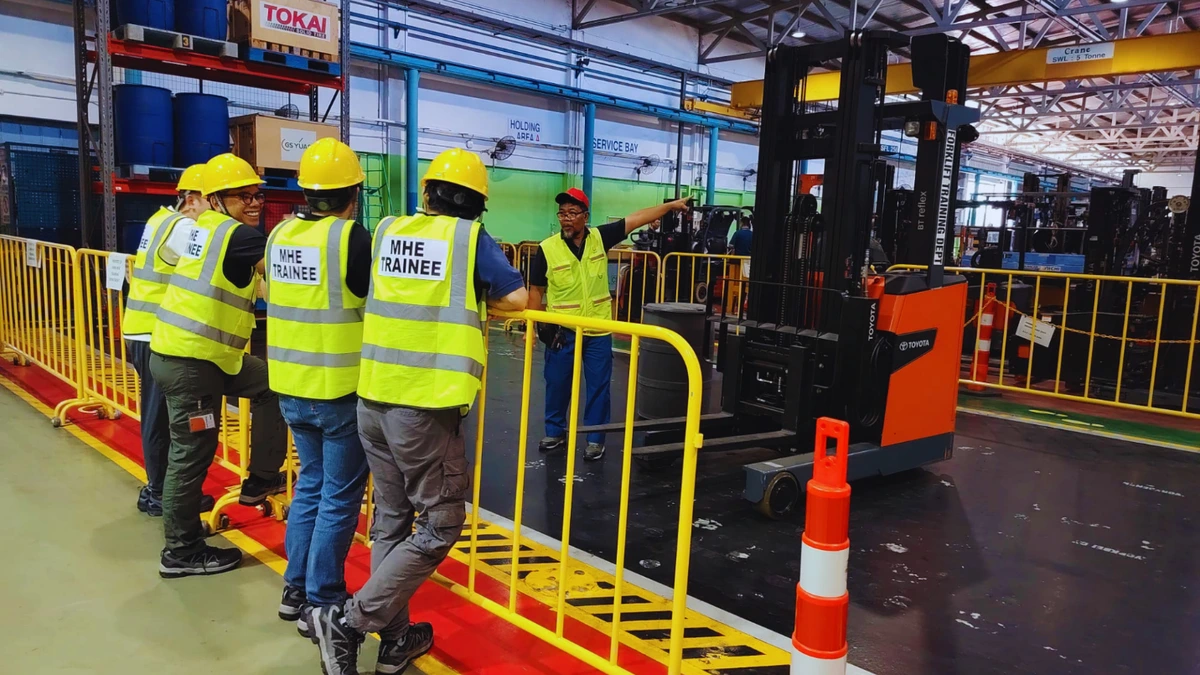
UMW's training courses are structured to build both competence and confidence in every participant. The curriculum covers essential topics such as pre-operation inspections, load handling techniques, and safe manoeuvring in tight spaces. Trainees practise these skills under the guidance of experienced instructors, receiving immediate feedback on their performance. The practical sessions are particularly valuable, as they allow operators to develop muscle memory and instinctive reactions to common warehouse scenarios. Whether operating a counterbalance truck, a reach truck, or a powered pallet truck, graduates of these programmes demonstrate consistently higher skill levels and greater situational awareness than their untrained counterparts.
Extending Equipment Life Through Operator Education
One of the most significant yet overlooked benefits of professional training is its impact on equipment longevity. Operators who have been properly instructed treat their machines with respect. They avoid harsh braking, sudden acceleration, and overloading – all of which accelerate component wear. They also perform daily inspections that catch minor issues before they become major failures.
UMW's programmes place particular emphasis on preventive maintenance practices. Trainees learn to check fluid levels, inspect tyres for damage, and identify warning signs such as unusual noises or vibrations. They also receive guidance on proper battery care for electric models and basic troubleshooting techniques. When these practices are consistently applied, the interval between major servicing extends significantly. For a typical fleet of forklifts and powered pallet trucks, this translates into substantial savings on spare parts, labour, and downtime. Moreover, a well-maintained fleet retains higher resale value, should the business decide to upgrade or replace older units.
Creating a Safety-First Culture in the Workplace
Safety is not just a regulatory requirement; it is a fundamental responsibility of every employer. Singapore's Ministry of Manpower has established clear guidelines for forklift operation, and non-compliance can result in severe penalties. However, the true cost of inadequate training goes far beyond fines. Workplace accidents cause human suffering, damage company reputation, and create a climate of fear that undermines morale.
UMW's training courses are designed to foster a safety-first mindset in every participant. The curriculum covers hazard identification, risk assessment, and emergency response procedures. Operators learn how to assess their working environment for potential dangers, such as uneven surfaces, blind corners, or overhead obstructions. They also practise defensive driving techniques that help them anticipate and avoid dangerous situations. The training includes specific guidance on operating different types of equipment, including reach trucks, counterbalance forklifts, and powered pallet trucks, each with its own handling characteristics. By promoting a culture of safety consciousness, organisations can dramatically reduce their accident rates and create a more positive work environment.
Why UMW Is the Preferred Training Partner
Choosing the right training provider is a critical decision that affects the quality of instruction and the long-term competence of your workforce. UMW brings decades of industry experience to its courses, with trainers who possess deep practical knowledge of material handling equipment and warehouse operations. These instructors do not simply deliver theoretical content; they share real-world insights gained from years of working in the field.
UMW's commitment to quality extends to its continuous curriculum improvement process. All courses are regularly updated to incorporate the latest regulatory changes from MOM and SSG, as well as emerging best practices in the industry. This ensures that participants receive training that remains relevant and effective. The courses cater to a wide range of skill levels, from complete beginners to experienced operators seeking refresher or upgrade training. UMW also provides training on specific equipment types, including powered pallet trucks, ensuring that operators are competent with the machines they will actually use. By partnering with UMW, businesses gain access to a comprehensive training ecosystem that supports their operational goals and compliance requirements.
The Business Case for Professional Training
Investing in operator education is not an expense; it is a strategic investment with measurable returns. The immediate benefits of reduced accidents and lower maintenance costs are obvious, but the long-term advantages are equally compelling. A well-trained workforce is more adaptable, able to handle new equipment and changing operational requirements with minimal disruption. This flexibility is invaluable in Singapore's dynamic business environment.
Furthermore, accredited training enhances your company's reputation as a responsible employer. Customers and partners are increasingly attentive to safety standards and ethical practices. When you can demonstrate that your operators are properly certified, you build trust and differentiate yourself from competitors who may cut corners. The cost of training is modest compared to the potential costs of accidents, downtime, and regulatory penalties. By ensuring that every operator, whether on a reach truck or a powered pallet truck, is fully trained, you protect your people, your assets, and your reputation. UMW's programmes offer a structured, effective pathway to achieving these outcomes.
Frequently Asked Questions
-
How long does a typical forklift training course take to complete?
Most MOM-approved courses run for three to five days, covering both theoretical knowledge and practical assessments. Refresher courses for experienced operators are shorter, typically lasting one to two days. -
Is the certification recognised across different industries in Singapore?
Yes, as long as the training provider is accredited by MOM and SSG, the certification is valid across all sectors, including logistics, construction, manufacturing, and warehousing. -
Do I need to provide my own forklift for the practical training sessions?
No. UMW supplies fully maintained equipment, including counterbalance forklifts, reach trucks, and powered pallet trucks, for all practical training. You are welcome to use your own machines if preferred. -
How often should operators renew their forklift certification?
MOM does not specify a mandatory expiry date, but industry best practice recommends refresher training every three years or whenever an operator is assigned to new equipment or a different warehouse layout. -
Can training help reduce damage to storage racking and other infrastructure?
Absolutely. Accredited courses teach operators precise control, spatial awareness, and safe approach techniques, significantly reducing the frequency of collisions and racking strikes.
Read another Article: Forklifts or Racking – Making the Right Warehouse Choice
Posted July 15, 2026 01:58
July 13, 2026 01:38
How to Choose the Right Access Control System

Posted July 13, 2026 01:38
June 23, 2026 07:59
New Forklifts or New Racking – Which Comes First?
When warehouse performance begins to falter, the natural reaction is to look for a quick fix. For many facility managers in Singapore, this means either ordering a batch of new forklifts or expanding their storage racking capacity. Both seem like logical solutions, but choosing the wrong one can waste significant capital without resolving the underlying problem. The truth is that equipment and infrastructure are deeply interconnected, and upgrading one without considering the other often creates new inefficiencies.
This article takes a practical look at how to diagnose the real source of your warehouse bottlenecks. Rather than guessing whether you need new trucks or new racks, we will examine the operational, financial, and compliance factors that should guide your decision. By the end, you will have a clear framework for making an informed investment that delivers genuine improvements in throughput, safety, and cost control.
Key Takeaways:
-
Conduct a detailed workflow analysis before committing to any major capital expenditure.
-
High-density racking systems require compatible trucks; mismatches reduce efficiency.
-
Operator training is essential when introducing new equipment or storage configurations.
-
Floor maintenance, including regular cleaning, protects both trucks and racking.
-
Used equipment can offer value, but it must be thoroughly inspected for compliance.
Diagnosing the Real Bottleneck
Many warehouse managers assume that slow operations are caused by outdated forklifts. While ageing equipment can certainly be a factor, it is equally common for bottlenecks to originate from poor storage layout or insufficient racking capacity. A truck that travels excessive distances to find an empty pallet position is wasting time, regardless of how new or fast it is. Similarly, a modern electric forklift cannot compensate for aisles that are too narrow for its turning circle.
To diagnose accurately, start by observing your operation during peak hours. Note where queues form, where trucks wait, and where goods accumulate. If trucks are frequently idle while waiting for racking positions to become available, your storage capacity is likely the constraint. Conversely, if trucks are constantly moving but struggling to keep up with demand, your fleet may be underpowered or under-maintained. This forensic approach, rather than guesswork, will reveal whether your investment should go towards new forklifts, additional racking, or a combination of both.
The Hidden Costs of Mismatched Equipment
One of the most common mistakes in warehouse planning is treating forklifts and racking as separate purchases. When a new racking system is installed without considering the trucks that will use it, the results can be costly. A reach truck that is too wide for the aisles will struggle to manoeuvre, increasing cycle times and raising the risk of collisions. Conversely, a racking system that is too low for your forklift's lift capacity wastes vertical space and reduces storage density.
The financial impact of mismatched equipment extends beyond lost productivity. Racking strikes caused by oversized trucks can damage structural beams, requiring expensive repairs and creating safety hazards. Similarly, forklifts that are overworked due to inefficient layouts experience faster wear on tyres, masts, and hydraulic systems. This is why leading suppliers in Singapore emphasise the importance of integrated solutions, where turning circles, mast heights, and aisle widths are calculated together. A powered pallet truck, for example, is ideal for horizontal transfers but cannot replace a reach truck for high-level stacking. Understanding these distinctions is essential for making the right investment.
Regulatory Compliance and Operator Competence
Singapore's Ministry of Manpower enforces strict regulations for forklift operations, and these requirements become more complex when you introduce new equipment or change your racking layout. Any modification that affects how trucks are used, such as narrower aisles or higher stacking heights, may trigger additional training obligations. Operators must demonstrate competence in the specific conditions of your warehouse, not just hold a general licence.

Accredited training providers offer courses that address these specific needs. Operators learn how to handle loads safely in confined spaces, perform pre-use inspections, and understand the stability limits of their trucks. When you invest in new racking, ensuring your team receives appropriate instruction is not just a compliance requirement; it is a practical necessity. A well-trained operator can move goods more efficiently, reduce damage to equipment and infrastructure, and contribute to a safer workplace. This training is equally important when introducing a powered pallet truck to your fleet, as its handling characteristics differ from those of larger forklifts.
Making the Case for New Racking
If your warehouse is overcrowded but your aisles are wide, new racking is likely the better investment. High-density systems such as double-deep racking, drive-in racking, or push-back systems can dramatically increase your storage capacity without expanding your building footprint. These solutions are particularly valuable in Singapore, where land is scarce, and rental costs are high. However, they require careful planning to ensure that your existing trucks can operate effectively within the new configuration.
When considering new racking, evaluate the full range of equipment that will support it. High-density systems often require specialised trucks with extended reach capabilities or reduced chassis widths. You may also need additional horizontal transport equipment, such as powered pallet trucks, to move goods efficiently between the racking and the loading bay. Additionally, floor condition becomes more critical in high-density layouts. Regular cleaning with scrubbing machines helps maintain a safe surface, reducing wear on truck wheels and preventing damage to racking anchors. A comprehensive approach that considers all these factors will maximise the return on your investment.
Making the Case for New Forklifts
If your storage layout is adequate but your throughput is suffering, the problem may lie with your fleet. Aged forklifts are prone to breakdowns, and obsolete models can be difficult to maintain due to the limited availability of spare parts. Upgrading to modern electric forklifts offers several advantages, including faster travel speeds, lower maintenance requirements, and zero emissions. For indoor warehouses, the elimination of exhaust fumes creates a healthier environment for workers.
Beyond the primary forklifts, consider your ancillary equipment. If workers are manually moving pallets across the warehouse, they are wasting time and risking injury. A powered pallet truck allows a single employee to transport heavy loads quickly and safely, freeing up larger trucks for stacking tasks. Modern models feature lithium-ion batteries that support opportunity charging, enabling continuous operation during busy shifts. When evaluating new forklifts, factor in the total cost of ownership, including energy consumption, maintenance intervals, and the availability of after-sales support. A powered pallet truck, while smaller and less expensive than a reach truck, can deliver significant productivity gains when used appropriately.
The Importance of Floor Maintenance
One aspect of warehouse operations that is frequently overlooked is the condition of the floor. High-density racking systems place significant loads on concrete surfaces, and uneven or damaged floors can compromise the stability of the entire structure. Similarly, electric pallet trucks and powered pallet trucks require smooth surfaces to operate efficiently; debris or cracks can damage wheels and cause load instability.
Regular maintenance of the warehouse floor is essential for protecting your investment in both racking and forklifts. Scrubbing machines remove dust, oil, and other contaminants that accumulate during daily operations. A clean floor allows trucks to travel at optimal speeds, reduces tyre wear, and prevents build-up that could corrode racking anchors. While this may seem like a minor detail, it contributes significantly to the longevity of your equipment and the safety of your workforce. When planning any upgrade, whether to racking or forklifts, include floor maintenance in your budget and schedule.
New vs Used Equipment – A Financial Perspective
Budget constraints often lead warehouse managers to consider used equipment as an alternative to new purchases. The market for pre-owned forklifts and racking is active in Singapore, and a well-maintained used reach truck can offer excellent value. However, caution is essential. Used equipment must be thoroughly inspected to ensure it meets current safety standards and is compatible with your operational requirements.
When evaluating a used reach truck for sale in Singapore, request a complete service history and verify that it has passed its annual Thorough Examination. For racking, second-hand steel must be checked for weld integrity and structural soundness; damaged components can pose serious safety risks. Also consider the availability of spare parts for older models, as delays in repairs can negate any initial cost savings. A powered pallet truck from a reputable brand, even if used, can be a reliable addition to your fleet if it comes with a documented maintenance record. Weigh the upfront savings against the potential for higher maintenance costs and shorter remaining lifespan.
5 Frequently Asked Questions
-
How can I tell if my warehouse needs new forklifts or new racking?
Conduct a workflow audit to identify where delays occur. If trucks are waiting for storage space, the racking is insufficient. If trucks are slow or unreliable, the fleet needs upgrading. -
Are there regulations governing forklift operations in Singapore?
Yes, all forklifts must undergo annual Thorough Examinations, and operators must hold MOM-recognised certifications. Changes to racking or equipment may require additional training. -
Can used equipment be a good investment?
Yes, provided it is inspected thoroughly and meets current safety standards. Verify maintenance history and ensure spare parts are available. -
How does floor condition affect warehouse operations?
Poor floor condition damages truck wheels, destabilises racking, and increases the risk of accidents. Regular cleaning with scrubbing machines is essential. -
What is the most common mistake when upgrading a warehouse?
Upgrading forklifts or racking in isolation without considering their interdependency. Always evaluate both together.
Read another Article: Mastering Warehouse Fleet Safety and Storage Racking
Posted June 23, 2026 07:59
June 5, 2026 08:40
Strategic Sourcing of Rare Tektites and Cosmic Materials
The global trade surrounding high-value extra-terrestrial materials has experienced a major structural shift as we move through 2026. Alternative investors and boutique owners are no longer viewing these natural treasures merely as exotic decoration pieces. Instead, a profound appreciation for verified provenance, geological rarity, and the unique structural footprint of impact glass is reshaping how alternative assets are procured. Independent galleries and corporate showrooms are actively tracking the global pipeline to ensure every acquisition is backed by definitive scientific validation. Navigating this niche sector successfully requires a firm grasp of international supply dynamics and the specific physical identification markers that protect buyers from sophisticated modern imitations.

For regional retail enterprises seeking to establish a clear competitive edge in the premium gemstone market, partnering with an experienced Moldavite wholesaler Singapore is a primary operational objective. The contemporary market demands absolute transparency due to an unfortunate influx of chemically treated forest green glass manufactured to deceive clients. By bypassing unverified secondary brokers, serious organisations can access direct documentation that establishes the precise crater origin and legal extraction background of each piece. This strategic commercial alignment effectively protects substantial capital investments and guarantees that every transaction is grounded in scientific authenticity and long-term ethical sustainability.
Key Takeaways:
• Direct procurement from European fields ensures no secondary brokers compromise the authenticity of your stock.
• Stricter environmental mandates across the Czech Republic have drastically reduced global extraction volumes.
• Internal silica inclusions provide a definitive scientific marker against advanced counterfeit bottle glass.
• Strategic office layouts using traditional spatial mapping can enhance visual flow and invite prosperity.
• Comprehensive physical protection, individual wrapping preserves the pristine structure of delicate specimens.
Shifting Legal Frameworks in European Extraction Zones
The primary economic driver behind the soaring valuation of cosmic tektites involves the implementation of rigorous environmental protections across the primary European impact fields. The Czech government has systematically restricted heavy machinery extraction within the Bohemian crater system to protect local agricultural ecosystems from permanent degradation. Consequently, the total volume of authenticated material entering the international pipeline has dwindled to a historic low, causing a sharp upward revaluation of existing wholesale inventories. For commercial entities operating in Southeast Asia, these legal barriers mean that traditional sourcing methods are no longer viable or cost-effective for large-scale operations.
This prevailing scarcity has effectively transformed the current market from a casual hobbyist arena into a highly competitive alternative asset space. High-grade specimens, particularly those featuring pristine textures such as the rare fern formations, are being treated with strict financial scrutiny by international curators. Galleries that successfully secure access to these legally exported batches can command a substantial market premium from private collectors and institutional buyers. Therefore, keeping a close eye on regulatory shifts within Eastern Europe is mandatory for any enterprise intending to maintain a viable business model. Partnering with a distributor who monitors these mining quotas ensures your company maintains access to legally acquired stock.
Scientific Authentication and Microscopic Verification Frameworks
As manufacturing methodologies become increasingly advanced, the necessity for flawless scientific verification has become the absolute cornerstone of secure procurement. Unscrupulous fabricators routinely utilise chemically altered bottle glass to mimic the iconic olive-green hues of celestial impactites, flooding online platforms with worthless imitations. To combat this widespread issue, master curators employ high-intensity backlighting to expose the internal microstructural footprint of each specimen before finalising any trade. Genuine celestial glass invariably contains distinct, elongated filaments known as lechatelierite, which represent pure silica fused during a catastrophic kinetic impact millions of years ago.
These unique internal markers possess a highly complex, worm-like morphology that remains utterly impossible to replicate within a controlled laboratory environment. Furthermore, professional importers regularly host educational workshops and live demonstrations to equip corporate buyers with the diagnostic skills required for on-the-spot verification. Ensuring that your inventory is accompanied by comprehensive geological paperwork is an industry standard for maintaining market authority in the premium sector. Through these transparent practices, premier distributors foster an environment of complete safety, allowing private investors to expand their alternative portfolios confidently without risking their reputations.
Spatial Alignment and Corporate Office Placement Strategies
Modern corporate architecture is increasingly incorporating natural geological features to foster a more productive and balanced workspace for high-performing teams. Executive boardrooms and financial trading floors frequently utilise large, highly saturated amethyst cathedrals and pristine clear quartz points as primary design anchors. When a business collaborates with an experienced crystal supplier, it can systematically map its physical offices according to traditional bagua principles. Placing deep purple Uruguayan specimens in the far left corner of the main entrance is a time-tested technique intended to enhance spatial energy and invite commercial prosperity.
Meanwhile, incorporating high-frequency space gems into executive suites is regarded as an excellent method for driving rapid transformation and strategic breakthroughs. However, because the energetic profile of an impact tektite is remarkably intense, feng shui experts uniformly suggest pairing it with a deeply grounding mineral like raw black tourmaline. This intentional pairing ensures that the ambient atmosphere remains highly innovative yet completely stable, preventing mental fatigue among staff members. Through this sophisticated combination of geology and spatial science, modern offices are converted into dynamic hubs that actively support corporate health and strategic thinking.
Warehouse Logistics and Preservation Protocols
The physical maintenance of a high-value mineral collection is directly tied to its future resale value and structural conservation. Hardness discrepancies among different mineral classifications mean that storing disparate specimens in close physical proximity can result in severe surface abrasions. This risk is highly elevated when managing iron-based meteorites from a Meteorite wholesaler Singapore, as metallic surfaces can easily gouge softer stones. Wrapping each item individually in plush velvet or heavy cloth is the industry-standard method for preventing mechanical friction during long-term storage or regional transit.
Environmental factors such as ambient moisture and volatile organic compounds must also be carefully regulated within display galleries and storage vaults. Highly porous materials require completely dry, temperature-controlled enclosures to avoid irreversible chemical tarnishing or deep discolouration over time. Utilising dust-free, transparent display cases balances the need for aesthetic public viewing with the absolute necessity of structural preservation. By implementing these precise archiving and labelling standards, serious collectors safeguard the financial capital embedded within their geological portfolios for future generations to appreciate.
FAQs
1. How can a commercial buyer verify the geological authenticity of European impact glass? Genuine specimens display microscopic internal features known as lechatelierite, which are elongated, worm-like inclusions of pure fused silica that remain impossible to replicate in a laboratory.
2. Why are international market values for certified tektites increasing so rapidly? Stricter environmental regulations introduced by the Czech government have restricted heavy mining within the Bohemian crater system, causing a sharp drop in supply and a corresponding increase in valuation.
3. What is the benefit of pairing high-frequency cosmic stones with grounding terrestrial minerals? Due to the intense transformational profile of impact tektites, feng shui consultants suggest pairing them with raw black tourmaline to keep the surrounding office atmosphere balanced, innovative, and productive.
4. Why is individual cloth wrapping recommended for iron-based celestial specimens during storage? Because iron-based specimens possess highly abrasive metallic surfaces, they must be wrapped separately in soft velvet or cloth to prevent them from scratching or chipping softer minerals in your inventory.
5. How does a domestic wholesale partnership streamline inventory management for regional boutiques? Partnering with a local distributor eliminates secondary broker markups, provides direct access to pre-authenticated bulk stock, and ensures all items are accompanied by verified geological origin paperwork.
Read another Article: Establishing a Successful Holistic Retail Venture in 2026
Posted June 5, 2026 08:40
May 26, 2026 02:57
Cochlear Implant Assessment Pathways in Singapore
Exploring a cochlear implant represents a major milestone for individuals wishing to restore their connection to sound. In Singapore, this path begins with a multidisciplinary candidacy evaluation designed to determine if this advanced solution aligns with the patient's health profile. A team of medical professionals collaborates to review hearing thresholds, physical fitness, and personal communication goals, ensuring a patient-centred approach throughout the initial consultations.
This evaluation is more comprehensive than a standard hearing test, establishing a plan tailored to each person's lifestyle and medical needs. By examining the interconnected health of the ears, nose, and throat, the team identifies underlying complications that might affect rehabilitation success. Engaging with this detailed process helps candidates approach subsequent clinical procedures with a high degree of confidence and clarity.
Key Takeaways:
-
Candidacy evaluations review hearing thresholds, physical health, and lifestyle needs.
-
Initial diagnostic tests determine if traditional hearing aids provide sufficient benefit.
-
Surgical teams utilise imaging scans to inspect the inner ear anatomical structures.
-
Upper airway reviews identify nasal or throat issues before surgery.
-
Multidisciplinary meetings compile all findings into a single care recommendation.
Initial Audiological Reviews for Hearing Clarity
The opening phase of the evaluation process focuses on understanding the nature and severity of a person's hearing impairment. Led by clinical audiologists at an ear specialist clinic, this stage involves diagnostic procedures to establish a clear baseline of auditory sensitivity. Pure tone audiometry measures the softest sounds an individual can perceive across pitches, defining the exact type and degree of sensory loss.
Speech perception tests evaluate how well a patient understands words in quiet settings and background noise, reflecting real-world communication challenges. Advanced tests, such as tympanometry to check eardrum movement or auditory brainstem response testing, provide a complete view of the neural pathways. The primary objective is to determine if traditional hearing aids provide enough benefit or if an implant is required.
Multidisciplinary Medical Checks and Inner Ear Imaging
Following the audiological phase, the candidate's case undergoes a rigorous review by a surgical team to evaluate medical fitness. This stage involves collaborative care where a head and neck specialist conducts an examination of the internal physical anatomy. This evaluation confirms if the individual is an appropriate candidate for surgery and addresses critical questions regarding general health, ensuring the recovery period proceeds smoothly.
The physician uses high-resolution imaging scans to inspect the structure of the inner ear and cochlea to ensure they can accommodate the implant electrode. Active infections or structural issues must be resolved before surgery, which is why a complete upper airway check is carried out. Clinicians also evaluate associated symptoms such as giddiness, tinnitus, or balance problems, as these indicators are closely linked to inner ear health.
Glandular Monitoring and Upper Airway Evaluations
For some patients, the pre-operative assessment extends beyond the auditory system to include a detailed review of adjacent neck and throat structures. A throat specialist may be consulted if there are specific concerns regarding vocal cord function or the patient's ability to swallow effectively. Maintaining stability across these adjacent pathways reduces surgical risks and ensures that the upper airway is healthy prior to general anaesthesia.
The endocrine system is also monitored closely during this pre-operative phase to assess metabolic wellness and general health. An evaluation at a thyroid clinic may be involved to check the function of the thyroid gland, located in the neck. Because thyroid disorders can present with symptoms that intersect with ear and throat stability, verifying a steady state is important. If a patient utilises thyroid medicine, the team coordinates with endocrine specialists.
Nasal Health Integrity and Nose Specialist Singapore Insights
The health of the nasal and sinus passages represents another essential component of the comprehensive pre-operative evaluation process. Chronic inflammation, allergies, or structural blockages within the nasal cavity can create an environment prone to respiratory infections, complicating post-surgical healing. In cases where persistent sinus blockages or post nasal drip are identified, the clinical team will recommend an assessment with a nose specialist Singapore to ensure these issues are managed.

A nose specialist Singapore can inspect the nasal linings using gentle endoscopic tools to ensure there is no hidden inflammation. If underlying rhinitis or sinus blockages are present, targeted treatments can be initiated to clear the airway before surgery proceeds. This thorough approach to managing the upper airway helps prevent bacteria from travelling toward the middle ear space, thereby safeguarding the surgical site and supporting an uncomplicated rehabilitation process.
Personalised Pathways for Paediatric and Adult Candidates
The final phase of the candidacy assessment focuses on the individual's specific developmental, educational, and lifestyle requirements to ensure a positive long-term outcome. For children, the evaluation places a significant emphasis on language development milestones and the family support available within the household. Early intervention is prioritised, with auditory-verbal therapists working alongside the medical team to assess the young patient's potential to grow communication skills after receiving the implant.
Adult candidates participate in thorough discussions regarding how hearing loss has impacted their career, social interactions, and personal well-being. Motivation and having realistic expectations for life with an implant are considered key components of the final recommendation issued by the multidisciplinary team. All clinical findings are compiled and discussed in a joint meeting before a final plan is presented, allowing patients to approach rehabilitation with confidence.
FAQs
1. What is the primary purpose of a cochlear implant candidacy assessment? The assessment determines if an implant is the right clinical solution for your specific hearing profile by evaluating your auditory system, general health, and lifestyle needs.
2. Why are structural imaging scans necessary before the surgical procedure? Imaging scans allow the surgical team to examine the anatomy of your inner ear and cochlea, ensuring the physical structures can safely accommodate the implant hardware.
3. How can a nose specialist Singapore assist during the pre-operative evaluation? A nose specialist Singapore reviews the nasal passages to clear any chronic sinus infections or post nasal drip, preventing bacteria from travelling toward the ear space.
4. Is it necessary to monitor thyroid function prior to undergoing surgery? Yes, verifying stable thyroid function confirms that your metabolic state is healthy and safe for general anaesthesia, supporting an uncomplicated post-operative recovery phase.
5. What steps occur after the multidisciplinary team completes its review? The team compiles all findings into a single recommendation, followed by a detailed consultation where the surgical timeline, device activation, and rehabilitation are explained.
Read another Article >> Childhood Ear Infections: Signs, Care, and Specialist Referral
Posted May 26, 2026 02:57
May 21, 2026 04:52
Simple Ways to Improve Your Flat’s Energy Flow
Many people in Singapore live in apartments where space is limited, and neighbours are close by. Despite careful interior design, some homes still feel heavy or uninviting. Others may have rooms that are rarely used because they seem to drain energy. These experiences are not imaginary. The way a property is laid out, the direction it faces, and the objects placed in different corners all affect how comfortable a home feels. Learning a few basic principles can help you make small adjustments that lead to a more pleasant living environment. This article introduces straightforward ideas drawn from classical feng shui Singapore practice, without requiring expensive renovations or complicated rituals.
Key Takeaways:
-
The main door should be kept clean, well‑lit, and free from clutter.
-
A solid wall behind your bed provides better support for restful sleep.
-
The kitchen stove represents household wealth and should be in good working order.
-
Plants in the living area introduce wood energy, which supports growth and fresh ideas.
-
Mirrors placed opposite the main door can reflect positive energy back outside.
The Role of the Main Door in Your Home’s Atmosphere
The entrance to your home is where energy first arrives. If this area is blocked by shoes, umbrellas, or a large cabinet, the quality of energy entering the rest of the flat is reduced. A clear path from the door into the living room allows fresh energy to circulate. In many Singapore flats, the main door opens directly into a small hallway. Keep this area tidy and consider a small mat in a colour that suits the direction your door faces. A light that turns on automatically in the evening can also help, as a dark entrance tends to feel less welcoming.
Beyond cleanliness, the position of the door relative to other features matters. If your main door faces a lift, a staircase, or a long corridor, the energy arriving may be too fast or harsh. A simple solution is to place a plant or a small screen just inside the door to slow down the flow. Another common issue is a door that faces a window directly across the room. In that case, energy can rush straight through and leave quickly. Hanging a light curtain or placing a piece of furniture in the line of sight can help hold the energy inside. These are all practical measures that form part of basic feng shui Singapore advice for flat dwellers.
Creating a Restful Bedroom for Better Sleep
The bedroom is where you recharge after a long day. Its arrangement has a direct effect on how well you sleep and how you feel in the morning. The most important element is the bed. Position it so that you can see the door while lying down, but without being directly in line with it. This is called the command position. It gives a sense of safety and reduces the chance of being startled by someone entering the room. If your bed is currently under a window, you may find that you wake up feeling tired or that you catch colds more easily. Moving the bed to a solid wall is a simple improvement.

Other factors in the bedroom include mirrors, electronics, and clutter. A mirror facing the bed can reflect energy back towards you while you sleep, which may lead to restless nights. Cover the mirror or reposition it if possible. Televisions, computers, and even mobile phones left on charge emit energy that can interfere with rest. Try to keep these devices out of the bedroom or at least turn them off at night. Clothes piled on a chair or boxes under the bed create stagnant energy. Clearing this clutter allows fresh energy to move freely. These adjustments are central to any practical feng shui Singapore approach aimed at improving health and relaxation.
The Kitchen and Stove as Indicators of Well‑Being
In many traditions, the kitchen represents nourishment and financial health. The stove, in particular, is seen as a symbol of the household’s ability to generate and retain wealth. A stove that is clean and has all burners working is associated with a steady income. A broken burner or a dirty hob can suggest missed opportunities or difficulty saving. Make it a habit to clean the stove after each use and repair any faults promptly. Also, avoid placing the stove directly next to the sink, as this creates a clash between fire and water elements. If your kitchen layout forces this, place a small wooden board or a plant between them.
The condition of your refrigerator and pantry also matters. A fridge that is half‑empty or contains expired food can represent a lack. Keep it organised and well‑stocked with fresh ingredients. Similarly, a pantry with scattered packets and old spices can create chaotic energy. Spend an hour sorting through your kitchen cabinets and discarding anything past its use‑by date. These actions not only improve the energy of your home but also make cooking more pleasant. Many residents find that after applying these simple kitchen tips, they feel more motivated to prepare healthy meals. This is a practical example of how feng shui Singapore methods support daily life without needing to consult a professional.
Using Plants and Colours to Balance Elements
The five elements of wood, fire, earth, metal, and water each bring different qualities to a space. Wood energy supports growth, creativity, and new beginnings. The easiest way to introduce wood energy is with healthy indoor plants. A money plant, a peace lily, or a snake plant are all good choices. Place one in the living room where you spend time with family, or in a home office, to encourage fresh ideas. Avoid plants with sharp thorns or dying leaves, as these can create harsh energy. If you struggle to keep plants alive, a wooden sculpture or a piece of furniture with a natural wood finish can serve the same purpose.
Colours also carry elemental associations. Green and brown relate to wood; red, orange, and purple relate to fire; yellow and earthy tones relate to earth; white, grey, and metallic colours relate to metal; black and dark blue relate to water. You do not need to repaint entire rooms. Small accents such as cushions, a throw blanket, or a vase can shift the energy of a space. If a room feels too active and you want to calm it down, introduce earth or metal colours. If a room feels dull and lifeless, add a touch of wood or fire. These simple adjustments are part of a broader feng shui Singapore practice that respects your existing decor while fine‑tuning the atmosphere.
Addressing Common Issues in High‑Rise Living
Living in a high‑rise flat presents unique challenges. The energy that reaches your unit must travel through lift lobbies, corridors, and multiple walls. If your flat is at the end of a long corridor, the energy may feel rushed and unstable. Placing a plant or a round doormat just inside your main door can help settle it. If your windows face a sharp corner of another building, a piece of sheer curtain or a small plant on the windowsill can soften the view. These remedies are low‑cost and easy to implement.
Another common issue is the presence of a toilet facing the main door or the bed. In many flats, the bathroom is near the entrance due to space constraints. If your toilet door is visible from the main door, keep the toilet lid closed and the door shut. A small mirror on the outside of the toilet door, placed high up, can also help redirect energy. If the toilet faces your bed, the same advice applies: keep the door closed at all times and ensure the toilet lid is down. These practical steps are widely recommended in feng shui Singapore guidance for apartment residents. They address specific urban conditions without requiring structural changes.
FAQs
1. Do I need to hire a professional to apply feng shui Singapore principles?
Not necessarily. Basic adjustments like decluttering, repositioning your bed, and adding a plant are free or low‑cost. However, a professional audit is useful if you have persistent problems or want a detailed analysis.
Posted May 21, 2026 04:52
May 20, 2026 00:38
How to Choose Your Taekwondo Class Level
Finding the right Taekwondo class in Singapore can feel like a puzzle. You might be a complete beginner who has never worn a dobok, or an experienced martial artist returning after years away. Each stage of learning demands a different training environment. A class that pushes advanced students will overwhelm a novice, while a slow-paced beginner session will bore a seasoned practitioner. This guide helps you assess your current ability and match it with the appropriate level, whether you are exploring Taekwondo for fitness, discipline, or self-defence.
Unlike systems such as Krav Maga Singapore, which focus on rapid, real-world neutralisation techniques, Taekwondo follows a structured belt progression from white to black. Understanding where you fit on this ladder ensures steady improvement without injury or frustration. The following sections break down beginner, intermediate, and advanced classes, plus key factors like instructor quality and trial sessions. By the end, you will confidently choose a class that fits your skill level and personal goals.
Key Takeaways:
-
Beginners need classes that emphasise basic stances, slow repetition, and patient instructors who provide individual corrections.
-
Intermediate students require sparring introductions, combination kicks, and increased physical conditioning.
-
Advanced practitioners need expert black belt instructors, competition training, and philosophical teachings.
-
Always attend a trial class before enrolling; OP Academy offers free trial sessions for all levels.
-
Class frequency and schedule consistency matter more than chasing a higher belt rank quickly.
What Makes a Beginner Taekwondo Class Suitable?
A well-designed beginner class assumes no prior knowledge. The first lessons cover fundamental stances like front stance (ap seogi), walking stance, and basic blocks (low block, middle block). Punches and kicks are introduced one at a time, often with a focus on chambering and proper hip rotation. In a quality beginner session, the pace is deliberately slow so that muscle memory builds correctly. Instructors walk around to adjust posture, and students are encouraged to ask questions without feeling rushed.
Class size is critical for novices. Groups larger than fifteen often mean less individual attention. Look for academies like OP Academy that cap beginner classes at around twelve participants. Also, observe the atmosphere: do higher belts help newcomers? A supportive culture where advanced students assist during drills indicates a healthy school. If you are also considering other martial arts, note that a typical Krav Maga Singapore beginner course feels very different – it jumps straight into situational defences without extensive form practice. Taekwondo’s gradual approach suits those who prefer step-by-step learning. Always request a trial to feel the energy.

How to Identify an Intermediate Taekwondo Class
Once you have mastered basic blocks, can perform Taegeuk 1-3 poomsae, and kick waist-high with control, you are ready for intermediate training. Classes at this level introduce more dynamic movements: roundhouse kicks in combination, back kicks, axe kicks, and light-contact sparring. Warm-ups become more intense, including push-ups, sit-ups, and plyometric jumps. Instructors begin emphasising speed, precision, and timing rather than just completing moves. You will also learn to read an opponent’s weight shift during partner drills.
Physical conditioning is a regular part of intermediate sessions. Expect exercises that build explosive leg power and cardiovascular endurance, such as ladder drills and bag work. Sparring (kyorugi) appears under strict supervision with headgear, chest protector, and shin guards. The focus is on controlled contact and learning to score points, not on brute force. In Singapore, many intermediate students cross-train in other disciplines like Krav Maga classes Singapore to improve their self-defence reaction time. However, pure Taekwondo intermediate classes remain distinct – they refine your athletic technique while introducing basic competition rules.
Features of an Advanced Taekwondo Class for Experts
Advanced classes are for red belts and above who have clear command of all basic and intermediate skills. Training here is intense, highly technical, and often longer (90 minutes to two hours). Sessions include complex poomsae with advanced footwork patterns, jump spinning kicks, and sometimes weapon training (e.g., staff or nunchaku) depending on the school. Sparring is frequent, fast, and competitive, often with specific objectives like landing three counterattacks or defending against multiple attackers. You will also study Taekwondo philosophy in depth, including the meaning of each belt colour and the history of the art.
Instructor qualifications matter greatly at this level. Look for masters who hold at least 4th Dan black belt and have competition coaching experience. They should provide detailed feedback on minute adjustments – the angle of your supporting foot, the snap in your kick, the timing of your breath. An advanced class also includes leadership training, where senior students assist in teaching lower belts. This reinforces your own skills and builds community. Some advanced practitioners in Singapore learn Krav Maga Singapore alongside Taekwondo to gain practical self-defence skills that sport Taekwondo may lack, but within Taekwondo itself, the focus remains on mastery of traditional forms and Olympic-style sparring.
Additional Considerations Beyond Belt Colour
Skill level is not the only factor. Your personal schedule, learning style, and long-term goals matter equally. For working adults, evening or weekend classes are essential. Parents may need classes that run concurrently with children’s sessions. OP Academy offers flexible timetables across multiple locations, like Yishun and Bedok. Also consider how progress is tracked: regular assessments, belt tests, and written or video feedback help you know if you are improving. Avoid schools that promote students automatically without a demonstration of ability.
Trial classes are your best tool. Almost every reputable dojang offers one or two free sessions. Use these to observe class culture: do students bow respectfully? Do instructors correct mistakes kindly? Is the facility clean with padded floors? Pay attention to how you feel during and after the trial – energised and eager to return is a good sign. Compare this to trying a Krav Maga Singapore trial, which often feels more intense and scenario-based. The right class is one where you leave looking forward to the next session, not dreading it.
Frequently Asked Questions
1. Can I start Taekwondo as a complete beginner with no fitness background?
Yes. Beginner classes are designed for exactly that. Instructors modify exercises and teach at your own pace. Two sessions per week are ideal for building habit and stamina.
2. How long does it take to move from beginner to intermediate?
With consistent training (2-3 classes weekly), most students reach an intermediate level in 6 to 9 months. This varies based on natural aptitude, attendance, and home practice.
3. What should I wear to my first trial class?
Comfortable athletic wear, like a t-shirt and track pants. Avoid jeans or jewellery. The school will lend you a belt if needed. Barefoot training is standard.
4. Are Taekwondo classes safe for children and older adults?
Yes, when taught properly. Reputable academies separate classes by age and skill. Children learn non-contact drills first; seniors focus on balance and low-impact movements. Always inform the instructor of any medical conditions.
5. How is Taekwondo different from Krav Maga Singapore?
Taekwondo emphasises sport, form, and progression through belts over the years. Krav Maga focuses on rapid self-defence for real-world threats, often without belt ranking. For pure discipline and athletic development, Taekwondo is ideal; for practical street safety, consider Krav Maga as a supplement.
Read another Article: Best Taekwondo Camps for Kids in Singapore
Posted May 20, 2026 00:38
May 16, 2026 00:01
Paediatric Ear Infections and Hearing Care Pathways
Managing a young person's health can be challenging when unexpected illnesses disrupt their comfort and sleep routine. Ear infections represent a very frequent reason for medical appointments during early childhood, often causing substantial worry for families. While many individual episodes clear up safely with minimal intervention, a pattern of repeated infections requires careful clinical oversight. If these conditions become chronic or are left unaddressed, they can cause long-term complications affecting a child's hearing sensitivity and natural communication skills. Singapore clinics provide structured care pathways designed to identify the root causes of these occurrences and offer clear solutions.
Understanding the clinical process helps parents navigate these health issues with greater confidence and less anxiety. From the initial physical check to advanced audiological testing, each stage of an evaluation serves to build a complete profile of the young patient's upper respiratory and auditory systems. By looking at how the ears, nose, and throat interact, medical teams can offer targeted options that prevent future illnesses. This comprehensive approach allows children to return to their normal routines of learning, playing, and restful sleep. Parents looking for clear guidance can access various services at a dedicated children ENT facility in the medical hubs of Singapore.

Key Takeaways:
-
Repeated middle ear infections often relate to fluid retention or physical blocks in the airway.
-
Young children have an anatomical vulnerability due to horizontal drainage passages.
-
Persistent middle ear fluid can muffle sounds and delay regular speech milestones.
-
Clinical reviews check for related issues such as enlarged adenoids or nasal allergies.
-
Ventilation tubes offer a safe and direct method to clear fluid and equalise pressure.
Anatomical Drivers of Repeated Middle Ear Infections
A middle ear infection, known in medical settings as otitis media, usually manifests as a secondary complication following a standard cold or an upper respiratory illness. The biological process centres on the eustachian tube, a thin passage connecting the back of the throat to the middle ear cavity. During a cold, this narrow pathway can easily become inflamed and swollen, causing a physical blockage that prevents normal fluid drainage. The trapped fluid creates an environment behind the eardrum where viral or bacterial pathogens can multiply rapidly, leading to the pressure and pain associated with an active infection.
Infants and toddlers face a significantly higher risk of developing these blockages because of the unique way their anatomy is structured in early life. In children under five years of age, the eustachian tubes are notably smaller and sit at a much more horizontal angle than those found in adults. This horizontal alignment means that gravity cannot assist in draining secretions effectively, making it easy for fluid to remain trapped after a common cold. This structural vulnerability is the primary reason why a specialist in children ENT conditions manages a high volume of middle ear illnesses in young patients.
Identifying Symptoms and Behavioural Indicators in Toddlers
Recognising an ear infection can be difficult for families when a child is too young to speak or describe their specific discomfort. Because clinical signs are not always obvious, caregivers must look for subtle changes in the youngster's typical behaviour and daily habits. A primary indicator is when a child begins pulling or tugging at their ear in an instinctive attempt to relieve the internal pressure. This action is frequently accompanied by unexplained crying, heightened irritability, and general restlessness when trying to sleep.
Physical symptoms can also manifest in more visible ways, such as an unexpected fever or a clear discharge coming from the ear canal. Parents might also observe that the child appears to have trouble hearing or does not react to environmental sounds as quickly as usual. Balance problems or brief periods of unsteadiness can also occur because the middle ear is closely linked to the body's balance mechanisms. Since several of these physical signs can overlap with other childhood conditions, obtaining a formal evaluation at an Ear Specialist Clinic Singapore is important.
Diagnostic Frameworks for Middle Ear Disorders
To determine the exact state of a child's ear health, medical professionals use various diagnostic instruments during a clinical consultation. The main tool used is an otoscope, which provides a light source and magnification to let the doctor check the ear canal and eardrum visually. This test allows the clinician to look for redness, fluid buildup, or any small perforations in the eardrum membrane. In more complex or recurring cases, a test called tympanometry may be used to measure how well the eardrum moves and to evaluate pressure.
If the conditions are chronic or if the child shows signs of muffled hearing, a formal hearing test may be conducted to measure any temporary or permanent loss. Furthermore, because the upper respiratory passages are entirely interconnected, clinicians look at the health of the nose and sinuses. Issues like post nasal drip caused by underlying nasal allergies can travel up the eustachian tube, introducing bacteria into the ear cavity. By examining the complete upper airway, a children ENT professional can establish whether sinus inflammation is the primary driver behind recurring fluid retention.
Medical Options and Minor Surgical Solutions
The strategy chosen to manage an ear infection depends on the patient's age, symptom severity, and whether the root cause is bacterial or viral. For mild infections in children who are over two years old, a period of observation or watchful waiting is frequently recommended. Many simple episodes resolve naturally within two to three days without the immediate need for pharmaceutical intervention. This conservative approach allows the child's immune system to address the issue while avoiding the unnecessary use or overuse of antibiotics.
When an infection is advanced or fails to clear, specific medications such as antibiotics, analgesics, or antipyretics are administered to control bacteria and ease pain. For children who experience repeated infections or chronic fluid that does not clear after three months, a brief surgical procedure may be suggested. This process, called a myringotomy, involves inserting very small ventilation tubes, or grommets, into the eardrum. These tiny tubes allow trapped fluid to drain out and air to enter the middle ear space, reducing the frequency of future illnesses.
Integrated Medical Care and Auditory Rehabilitation
In some instances, a child's ear health needs to be reviewed as part of a wider multidisciplinary evaluation. For example, if a child suffers from profound hearing loss that cannot be addressed with conventional aids, a cochlear implant candidacy evaluation may be initiated. This comprehensive process involves an ear specialist Singapore and other clinicians who collaborate to review the patient's overall fitness and communication needs. The medical team utilises imaging scans to evaluate the internal structures of the inner ear and the cochlea to ensure they can accommodate the hardware safely.
The integrated care model available in Singapore centres also considers adjacent head and neck structures, such as the throat and the endocrine system. If a youngster has a known condition affecting their thyroid gland, the clinical team coordinates with a thyroid doctor Singapore clinic. Ensuring stable thyroid function is important prior to any major surgical intervention, as thyroid disorders can affect overall immune health. This level of coordination across different clinical areas ensures that any children ENT treatments are carried out safely and do not interfere with other metabolic management plans.
FAQs
1. How many ear infections are considered a recurring pattern? Specialists generally consider a pattern to be recurrent when a child experiences three confirmed ear infections within six months, or four episodes within a single year.
2. Can an untreated ear infection cause long-term speech delays? Yes, if fluid remains trapped behind the eardrum for an extended period, it can muffle hearing and eventually cause a delay in speech and language acquisition milestones.
3. What happens to ear ventilation tubes after they are inserted? Grommets are temporary and usually fall out on their own after six to twelve months as the eardrum grows, and the small hole heals naturally.
4. Why does an ear infection sometimes cause balance issues or giddiness? The middle ear shares nerve pathways with the body's vestibular balance system, so fluid pressure or inflammation can temporarily cause unsteadiness or spinning sensations.
5. How does post-nasal drip contribute to repeated earaches? Nasal secretions from allergies or sinus inflammation can travel up the eustachian tube, blocking the passage and introducing bacteria into the middle ear space.
Read another Article >> Managing Persistent Earaches: Specialist Pathways in Singapore
Posted May 16, 2026 00:01
May 14, 2026 22:43
Understanding Non-Surgical Facial Rejuvenation in Singapore
The aesthetic sector in Singapore has seen significant development as more individuals seek ways to address the visible signs of ageing without resorting to traditional surgical methods. Modern clinical practices now offer a variety of energy-based treatments that focus on stimulating the body's natural regenerative processes to improve skin firmness and elasticity. This shift towards non-surgical interventions is supported by a robust regulatory framework that ensures high standards of safety and clinical governance across medical facilities. Understanding the available options is essential for anyone looking to manage tissue laxity or volume loss while maintaining a natural facial profile.
Navigating the local landscape requires a clear understanding of the scientific principles that drive skin rejuvenation and the professional standards that define a reputable clinic. In a city where technological adoption is rapid, patients have access to advanced platforms that target the deeper layers of the skin with high precision. Choosing the right medical partner involves evaluating the qualifications of the medical team and the authenticity of the technology they employ. By focusing on evidence-based care and realistic outcomes, individuals can embark on a skin health journey that is both secure and effective, leading to stable results that develop progressively over time.
Key Takeaways:
-
Modern ultrasound treatments target the deep structural layers traditionally addressed by surgery.
-
Clinical results typically develop gradually over three to six months as new collagen forms.
-
Procedures in Singapore must be performed by doctors registered with the Singapore Medical Council.
-
Real-time imaging technology allows for precise energy delivery to the correct tissue depths.
-
Non-invasive lifting procedures generally involve minimal downtime and manageable recovery.
The Science of Micro-focused Ultrasound Treatment
The use of micro-focused ultrasound treatment has become a standard approach for addressing skin laxity in the face and neck area. This technology works by delivering precise thermal energy to specific depths beneath the epidermis, bypassing the surface to reach the foundational connective tissues. When this energy reaches the targeted focal points, it triggers a natural biological response known as neocollagenesis, where the body begins to produce fresh collagen and elastin. These proteins are the essential components required to maintain the structural integrity and resilience of the skin, providing a firmer and more youthful appearance as they mature over several months.
Structural improvements through this method are particularly effective because they target the superficial muscular aponeurotic system, which is the same fibrous layer addressed during a surgical facelift. By stimulating this deep layer without the requirement for incisions, the procedure provides a lifting effect that is entirely natural-looking. This internal reconstruction ensures that the results are rooted in the physical restoration of the skin's support matrix rather than a superficial change. As the newly formed collagen matrix organises and strengthens, the skin becomes denser and more elastic, resulting in a subtle but visible rejuvenation of the facial contours.
Precision Through Real-Time Visualisation Technology
A significant advancement in ultrasound-based lifting is the integration of real-time visualisation technology during the clinical session. This capability allows the practitioner to see the layers of muscle, fat, and connective tissue on a digital screen while the energy is being administered. By visualising the internal anatomy, the clinician can confirm that the therapeutic heat is being deposited exactly at the intended depth, such as the deep dermis or the fibromuscular layer. This level of oversight ensures that the treatment is tailored to the unique anatomical variations of each individual, increasing the safety and efficacy of the energy delivery.
The ability to see beneath the skin surface also allows the doctor to avoid sensitive structures such as bone or nerves, which should not be exposed to thermal energy. This precise targeting removes much of the guesswork associated with "blind" energy treatments, providing a more consistent and predictable outcome for the patient. For individuals seeking Ultherapy skin tightening Singapore, this technological transparency offers a level of professional scrutiny that is standard in medical-grade environments. By ensuring that every pulse of energy contributes to the final lifting result, the technology supports a more efficient and comfortable procedure that respects the delicate nature of the facial anatomy.

Comparing Energy Modalities for Skin Tightening
When researching options for firming the face and neck, many individuals evaluate the differences between ultrasound energy and radiofrequency technology. While radiofrequency treatments gently heat the middle layers of the skin to tighten existing collagen and improve surface texture, ultrasound energy penetrates much deeper to provide a foundational lift. This deeper reach makes ultrasound more suitable for individuals with moderate sagging who require structural support for the jawline, chin, and brow. Understanding these technical differences helps patients align their aesthetic goals with the most appropriate energy modality for their current skin condition.
In some clinical plans, these technologies may be used at different intervals to provide a multi-layered approach to rejuvenation. For instance, structural lifting might be utilised to address deeper laxity, while other treatments focus on smoothing out fine lines and improving the overall tautness of the skin surface. This combined strategy ensures that the skin is healthy and resilient across all physiological levels, from the deep connective tissues to the epidermis. By working with a medical professional at a reputable facility, patients can develop a bespoke roadmap that utilises the specific strengths of each technology to achieve a balanced and harmonious final appearance.
Clinical Standards and Regulatory Compliance in Singapore
The safety of any aesthetic intervention depends heavily on the professional standards of the medical centre and the credentials of its practitioners. In Singapore, it is a strict requirement that all medical aesthetic procedures be performed by doctors who are officially registered with the Singapore Medical Council. These professionals should ideally hold specific certificates of competence for the technologies they operate, ensuring that they have the necessary technical proficiency to manage your skin safely. A reputable provider will maintain a professional clinical environment that prioritises hygiene and medical governance over commercial retail interests.
Patients are encouraged to look for facilities that utilise medical-grade equipment registered with the Health Sciences Authority. Authenticity is a vital factor in achieving consistent results, as counterfeit or uncertified machines can lead to ineffective sessions or serious complications. A transparent consultation process is the hallmark of a high-quality clinic, where the practitioner provides clear information regarding the science behind the treatment and the realistic expectations for recovery. By choosing a facility that values patient education and clinical integrity, individuals can ensure that their non-invasive skin lifting Singapore experience is managed with the highest level of professional scrutiny and care.
Post-Treatment Care and Longevity of Results
The recovery process following ultrasound-based lifting is generally straightforward, as the procedure does not damage the outer surface of the skin. Most patients experience only mild redness or a slight sensation of tenderness in the treated areas, both of which typically resolve within a few hours or days. Maintaining the results involves a dedicated approach to skin health, including the daily application of a broad-spectrum sunscreen to protect the newly formed collagen from ultraviolet radiation. Consistent hydration and a gentle skincare routine also support the skin's regenerative processes, ensuring that the improvements remain stable over the long term.
While some initial tightening may be observed shortly after the session, the most significant lifting and firming results develop progressively over three to six months. This timeline reflects the natural biological cycle of protein synthesis and the gradual strengthening of the skin's internal support matrix. Many patients find that the results from a single session can last for a year or more, depending on their individual ageing process and lifestyle habits. Periodic maintenance sessions may be recommended to sustain the firm appearance as the natural ageing process continues, providing a reliable solution for those who prioritise sustainable skin health and clinical precision.
FAQs
1. How long does the lifting effect of the procedure typically last? The results from a single session of focused ultrasound lifting can last for a year or more, as the treatment stimulates the body's natural production of fresh collagen. The longevity of the outcome depends on your individual biological response and how well you maintain your skin health through aftercare and sun protection following the session.
2. Is the treatment session manageable for the average patient? Modern ultrasound platforms are designed to be significantly more comfortable than earlier generations. While most patients experience a brief sensation of heat or tingling as the energy pulses reach the targeted depths, the experience is generally manageable. A topical numbing cream is usually applied before the session to ensure maximum patient comfort throughout.
3. What distinguishes the latest generation of ultrasound systems? The latest generation of the technology is engineered to be 20 per cent faster and more efficient, allowing for a more streamlined clinical experience. It also features refined transducers and improved real-time imaging, which allow for a higher degree of precision and customisation during the session compared to legacy systems.
4. Who is considered a suitable candidate for this non-surgical lifting? Individuals with mild to moderate skin laxity who are looking for a non-invasive way to lift the brow, neck, or chin are generally suitable candidates. The treatment is safe for all skin tones and is an option for those who wish to avoid the risks and extended downtime associated with traditional surgical procedures.
5. Are there any common temporary effects to be aware of? The procedure is generally considered safe with minimal risks. Common temporary side effects include mild redness, slight swelling, or a feeling of tenderness in the treated areas, all of which usually resolve quickly without the need for significant medical intervention or time away from daily activities.
Read another Article >> Thermage vs Ultherapy: Guide to Skin Lifting in Singapore
Posted May 14, 2026 22:43
May 11, 2026 05:01
Oral Health Stability and Emergency Dental Care Strategies
Dental wellbeing involves a lifelong commitment to preventive measures and professional oversight to maintain functional stability. For residents in the western part of Singapore, having a local practitioner provides a stable foundation for managing oral integrity across all ages. Whether you are dealing with a child’s transition to adult teeth or navigating an emergency, understanding the clinical pathways available helps you make informed choices. Accessing a dentist at West Coast ensures that your family receives personalised support within a convenient distance from home or school. This guide outlines essential strategies for managing dental discomfort, gum health, and orthodontic milestones with a focus on long-term comfort.

Key Takeaways:
-
Assessment of tooth pain is the first step in managing emergencies.
-
Gingivitis represents a reversible early stage of gum inflammation.
-
Professional check-ups are recommended every six months for maintenance.
-
Children should have an initial orthodontic screening by the age of seven.
-
Transparent pricing and itemised estimates assist with household budgeting.
Immediate Responses to Acute Dental Discomfort
When a sudden throbbing or sharp sensation occurs, staying calm is necessary to accurately evaluate the nature of the symptoms. You should check if the pain is restricted to a single tooth, involves gum swelling, or causes difficulty, specifically when biting. If the sensation is excruciating or persists beyond a day, scheduling an urgent clinical visit is essential to prevent the situation from deteriorating. Local facilities, such as a dentist near Clementi, are prepared to provide same-day assessments to identify the underlying cause and stabilise the area.
Recognising when a toothache constitutes a clinical emergency is vital for preventing the spread of infection to other parts of the body. Red-flag symptoms include persistent throbbing pain, visible facial or gum swelling, and systemic signs like fever or chills. The presence of pus or a metallic taste on the tongue often indicates a dental abscess or a severe gum infection that requires immediate intervention. Accessing a dentist around Clementi ensures that these critical issues are addressed with modern diagnostic tools and appropriate treatment plans.
Clinicians handle a variety of urgent cases, including cracked teeth, lost fillings, and intense wisdom tooth pain. A thorough examination, often supplemented by digital X-rays, allows the practitioner to determine the extent of the damage or infection. Neglecting these signals may lead to larger problems that are more difficult and costly to resolve in the future. Taking prompt action when symptoms appear protects your broader physical health and ensures a swifter return to daily functional comfort.
Gum disease typically begins in a quiet manner, appearing as slight bleeding during brushing or mild redness along the tissues. This early stage, known as gingivitis, is reversible through improved hygiene habits and professional clinical support. If left unaddressed, the condition can progress to periodontitis, where the gums pull away from the teeth and form deep pockets that trap bacteria. This progression may eventually lead to bone loss and tooth mobility, significantly altering the stability of your smile.
Maintaining healthy gums involves a combination of diligent home habits and regular professional oversight. Brushing twice a day with a soft brush held at a 45-degree angle to the gums is an effective way to remove plaque buildup. Daily flossing or using interdental brushes reaches the stubborn debris between teeth that standard brushing cannot touch. Choosing a dentist near Clementi allows for specialised monitoring of your gum depth and bone support every six months, ensuring that any early signs of disease are managed promptly.
Understanding Dental Fees and Financial Clarity
Navigating the costs of oral healthcare is a practical priority for many households, especially when a procedure is unplanned. Standard check-up rates typically encompass a professional physical examination, an oral cancer screening, and often diagnostic X-rays. Professional scaling and polishing are also essential components, as they remove hardened tartar that a toothbrush cannot budge. Polishing smooths the enamel, making it more difficult for new bacteria to adhere to the tooth surface in the months following your visit.
Restorative procedural costs are influenced by the complexity of the clinical requirement and the materials utilised. For instance, a simple extraction is generally more economical than a surgical removal of an impacted wisdom tooth. Repairing a broken tooth may involve bonding for minor chips or a custom crown for more extensive fractures. Seeking a transparent fee structure from a practitioner helps you understand the investment required for each step of your care. Many clinics also guide on using MediSave for approved surgical interventions to help manage out-of-pocket expenses.
Monitoring Paediatric Development and Orthodontic Needs
Although children mature at individual rates, their dental development typically follows a predictable biological pattern. Specialists generally recommend an initial orthodontic assessment by the time a child reaches seven years of age. This period is significant because it marks the transition of adult molars and front teeth into the dental arch. Monitoring the jaw structure early allows a dentist around Clementi to observe bite patterns and identify potential space concerns before the jaw finishes growing.
Interceptive care during the growth phase can sometimes eliminate the need for more complex procedures as the child enters adolescence. Physical indicators such as overcrowding, unusually large gaps, or difficulty biting food evenly suggest that a review would be beneficial. Modern options for younger patients include durable metal braces, tooth-coloured ceramic versions, or transparent aligners for specific mild cases. Providing clear explanations and a supportive environment helps children feel more at ease during their clinical visits.
Selecting Local Support for Community Wellness
Choosing a practice located within your immediate community makes it easier to prioritise regular appointments for every family member. Proximity to home or school reduces the logistical burden of travel and ensures that help is nearby during an emergency. Modern facilities equipped with diagnostic tools ensure that you receive standardised care in a comfortable and child-centred environment. Establishing this local relationship ensures that your dental history is understood, allowing for more personalised long-term monitoring.
Experienced clinicians take a holistic view of your oral health, considering factors such as bite alignment and lifestyle habits alongside your hygiene routine. Regular sessions every six months help identify minor concerns before they develop into painful crises that interrupt your daily life. By combining quality home care with professional scaling and smart nutritional choices, you can maintain healthy gums for a lifetime. Choosing a dentist at West Coast protects your functional comfort and supports a confident smile for the future.
FAQs
1. What are the common indicators that a toothache requires urgent attention? Red-flag symptoms that indicate a clinical emergency include persistent throbbing pain, visible facial or gum swelling, fever, chills, and a metallic taste or pus in the mouth.
2. How frequently should a standard professional cleaning be performed? While every six months is the standard recommendation for most people, some individuals with higher risk factors may need professional scaling every three months to monitor gum depth and bone support.
3. Is it possible to reverse the early stages of gum disease at home? Gingivitis, the earliest stage of gum disease, is reversible through improved brushing and flossing techniques combined with professional scaling to remove hardened tartar.
4. Can lifestyle habits like tobacco use affect the health of the gums? Tobacco use significantly increases the accumulation of plaque and weakens the immune system’s ability to fight infectious diseases, making even occasional use a risk factor for periodontitis.
5. What factors influence the cost of a tooth extraction procedure? The fee for an extraction depends on complexity; simple removals of visible teeth are generally more economical, whereas surgical procedures for impacted teeth require more time and specialised expertise.
Read another Article: Managing Oral Health Costs with a Dentist at Clementi
Posted May 11, 2026 05:01
May 5, 2026 00:35
2026 Cosmic Treasures: Expert Insights on Space Gem Care
Entering the world of mineral collecting is a journey that many find deeply rewarding and aesthetically exciting, especially when dealing with specimens that originated far beyond our planet. Since 1999, East Ocean Crystals Pte Ltd has been a dedicated partner for beginners and seasoned enthusiasts alike, helping them build sets that are rich in purpose and historical significance. Crystals and space-born minerals are much more than attractive stones; they are said to carry powerful energy capable of influencing personal thoughts, moods, and the atmosphere of an environment. As we move through 2026, the demand for authentic cosmic specimens has reached an all-time high, making proper education on maintenance more essential than ever for those looking to preserve their natural vibrancy. By establishing a structured routine of cleansing and charging, any collector can ensure their treasures remain effective and beautiful anchors for their daily rituals.
Key Takeaways:
-
Regular maintenance restores minerals to their pure, original vibration.
-
Moonlight is the preferred method for charging delicate cosmic specimens safely.
-
Individual wrapping in soft velvet prevents abrasive iron meteorites from causing scratches.
-
Authenticity should be verified through direct sourcing and proper geological documentation.
-
Intentional care ensures that stones used for meditation or decoration thrive for years.
The Scientific and Energetic Profile of Celestial Materials
Understanding the physical composition of your inventory is the first step in providing professional-grade care for your collection. The 2026 stock available in the local market includes an impressive variety of iron and stony specimens, such as the famous Muonionalusta and Campo del Cielo varieties. Many of these items are natural glasses or metallic alloys formed through the immense heat and pressure of massive impacts millions of years ago. Because these materials are the result of a cosmic-terrestrial marriage, they possess a unique history and vibration that differentiates them from stones formed entirely within the Earth's crust.
However, the high iron content in many space-borne items introduces specific challenges regarding physical handling and preservation. It is vital to recognise that iron-based meteorites are naturally abrasive and possess a high degree of hardness compared to many terrestrial crystals. If these specimens are stored in direct contact with softer stones like selenite or malachite, they can cause irreversible surface scratches or structural chips. Maintaining the integrity of your gallery requires a disciplined approach to separation, ensuring that the unique etched patterns and metallic lustres are never compromised by mechanical friction during transport or display.
Navigating the Market with a Meteorite Wholesaler Singapore
Finding a reliable source for high-end tektites and cosmic material is essential for anyone looking to build a scientifically sound and ethically sourced collection. A reputable Meteorite wholesaler Singapore serves as a bridge between rare geological phenomena and the growing community of spiritual enthusiasts in Southeast Asia. In the current 2026 landscape, where synthetic imitations are increasingly common, discerning buyers must prioritise provenance and verified geological integrity. Partnering with a premier curator ensures that your acquisitions are sourced directly from trusted regions, such as the Bohemian crater, without middlemen interfering with their authenticity.
For retailers and boutique owners, the search for where to find Meteorite wholesaler Singapore bulk often leads to providers who prioritise transparency and professional-grade authentication. The 2026 inventory offers museum-grade specimens that undergo rigorous testing to distinguish them from melted glass bottles or other lab-grown counterfeits. Beyond the stones themselves, a trusted supplier provides the necessary paperwork and expert guidance required to prove the geological origin of every significant piece. This commitment to education and honesty ensures that every transaction is grounded in scientific truth, allowing the collector to own a genuine piece of the cosmos with total peace of mind.

Technical Standards for Preservation and Secure Storage
Proper storage is regarded as just as important as the initial acquisition when it comes to the long-term stewardship of a mineral gallery. Appropriate housing helps to protect the structure, colour, and energy of your stones from various environmental influences like light, heat, and dust. For specimens with porous structures or high iron content, it is essential to store them in dry, cool locations to avoid the risk of tarnishing or oxidative damage. Many professional curators utilise transparent display boxes or high-quality shelving to keep their inventory dust-free while ensuring the pieces remain visible for decorative purposes.
In addition to environmental control, maintaining a detailed record of your collection is a cornerstone of professional management. Labelling your specimens with their specific type, origin, and energetic properties is highly recommended, especially if you possess a large and diverse inventory. Some practitioners even choose to place specific crystals according to a bagua map to align their storage space with ancient feng shui principles. By utilising custom-engineered display arrangements, you can balance the aesthetic appeal of your gallery with the rigorous preservation standards needed to keep your minerals in pristine condition for decades to come.
Rejuvenating the Vibrational Frequency of Cosmic Specimens
After a specimen has been thoroughly cleansed of residual energies, it must be recharged to restore its inherent natural power and reconnect it with terrestrial vibrations. This process rejuvenates a stone's energy field and ensures that it continues to function at its most optimal level. One of the most straightforward and natural methods involves placing your stones in direct sunlight or moonlight for several hours. While intense sunlight is excellent for energising vibrant minerals like citrine, the gentle energy of moonlight is often preferred for more delicate cosmic specimens to avoid the risk of thermal shock.
For those seeking a more grounded approach, burying your crystals in clean soil for twenty-four hours allows them to absorb natural grounding energies directly from the planet. This technique is particularly beneficial for stones intended for use in protection rituals or emotional healing. Additionally, practitioners of mindfulness might choose to hold a stone in their palm and visualise pure white light flowing through it to recharge its energy field with specific intentions. By treating these rejuvenation cycles with consistency and attention, you ensure that your collection remains a potent source of positivity and spiritual clarity in your daily practice.
Strategic Sourcing for Professional and Personal Growth
The team at East Ocean Crystals takes great pride in guiding both beginners and experienced collectors through every stage of their mineral journey. They are more than just a provider of products; they act as a committed partner by offering expert advice on energy, lifestyle, and the spiritual relevance of various stones. If you are looking for a trusted crystals supplier for bulk meteorite transactions, it is vital to work with a partner who understands the nuances of the global supply chain and ethical mining practices. This strategic approach ensures that every transaction is sustainable and every specimen is of the highest possible quality.
FAQs
2. How do sound vibrations from singing bowls help in maintaining a mineral collection? Sound cleansing utilises the vibrations created by singing bowls or bells to effectively clear negative or stagnant energy from all types of crystals without the need for water or salt.
3. What is the historical origin of the natural forest-green glass found in the Czech Republic? Known as Moldavite, this natural glass was formed approximately 15 million years ago by the heat and pressure of a massive meteorite impact that propelled molten terrestrial material into the atmosphere.
4. Why is individual wrapping essential when storing iron-based meteorites? Because some iron-based specimens are abrasive and possess a high level of hardness, wrapping them individually in soft velvet or cloth prevents them from scratching or damaging softer minerals in your collection.
5. How does a crystals wholesaler ensure the authenticity of its high-grade stock? Reliable specialists collaborate directly with trusted mines and utilise advanced testing to identify markers like lechatelierite inclusions, which are impossible to replicate in laboratory settings.
Read another Article: Premium 2026 Tektite Finds from a Moldavite wholesaler Singapore
Posted May 5, 2026 00:35
May 3, 2026 13:10
Oral Health Support and Clinical Care in Clementi
Managing your dental health involves a combination of consistent home routines and professional oversight to prevent the development of painful conditions. For residents in the western part of Singapore, having access to a reliable dentist around Clementi ensures that any sudden aches or long-term concerns are addressed with appropriate clinical expertise. By identifying physical signals early, you can protect your oral integrity and avoid the complications associated with advanced decay or gum disease.

Establishing a relationship with a local provider allows families to navigate various developmental milestones, from the emergence of adult teeth to the management of age-related gum changes. A dedicated dental clinic Clementi focuses on patient comfort and education to ensure that every visit contributes to long-term stability and wellness. Prioritising these check-ups transforms oral care from a reactive necessity into a proactive strategy for maintaining your general physical health and social confidence.
Key Takeaways:
-
Schedule a child's first orthodontic evaluation by age seven.
-
Recognise bleeding or swelling as signs of early-stage gingivitis.
-
Maintain professional scaling every six months to remove tartar.
-
Utilise cold compresses and saltwater rinses for temporary pain relief.
-
Request written estimates for transparency in procedural costs.
Managing Acute Oral Pain at Home
When a sudden toothache occurs, it is helpful to assess the nature of the pain to determine the urgency of the situation. You should observe whether the discomfort is restricted to one tooth, if there is visible gum swelling, or if biting causes a sharp sensation. While minor pain might be manageable for a short period, excruciating or persistent discomfort indicates that the issue requires professional attention.
While waiting for your appointment with an emergency dentist in Clementi, you can use specific relief measures to manage your discomfort. Rinsing with warm salt water can help reduce swelling, while a cold compress on the outside of the cheek can numb the area. It is also wise to sleep with your head in a raised position to prevent increased circulation from exacerbating throbbing pain.
Preventing Gum Disease Through Effective Habits
Gum health begins with the recognition of subtle signals like slight redness or bleeding during your morning brushing routine. This early stage, known as gingivitis, is reversible with improved hygiene, but left unaddressed, it can progress to periodontitis. This advanced stage involves the formation of pockets between the teeth and gums, potentially leading to bone recession and tooth mobility if not managed clinically.
Children follow a predictable pattern of dental development, which allows specialists to time clinical interventions with precision. It is generally recommended that a child have their first orthodontic check by age seven, as this is when front teeth and molars transition to adult versions. Monitoring bite patterns and alignment at this stage provides a baseline for future comparisons and helps identify space concerns early.
A routine check-up typically encompasses several key services, including a physical examination, oral cancer screening, and diagnostic X-rays. Following the assessment, the appointment usually involves professional scaling and polishing to remove plaque and hardened tartar build-up. Polishing smooths the enamel, which makes it more difficult for bacteria to re-accumulate in the following months. These combined services form the core of preventive maintenance for residents.
Beyond maintenance, certain restorative procedures have defined cost structures based on the complexity of the clinical requirement. For instance, a tooth extraction cost can vary significantly depending on whether the procedure is simple or involves a surgical removal of an impacted tooth. A reputable provider will prioritise a transparent fee structure by providing a detailed, written estimate before any work begins. This allows you to understand the investment required for diagnostics, procedures, and laboratory fees.
Recognising critical symptoms is essential for determining when you need to contact a clinician immediately for urgent dental care. Red-flag indicators include persistent throbbing pain, visible facial or gum swelling, and systemic signs like fever or chills. The presence of pus or a metallic taste on the tongue often points toward an abscess or a severe gum infection. These conditions require prompt stabilisation to stop the spread of bacteria.
Choosing a practice located within your community makes it easier to integrate regular check-ups into a busy schedule. A modern facility equipped with advanced diagnostic tools ensures that you receive standardised care in a comfortable environment. A supportive team helps ease the anxiety often associated with urgent procedures or a child's first visit. Proximity to home or school reduces travel time and ensures that professional support is nearby during a crisis.
Practitioners take a holistic view of your smile, considering factors like bite alignment and hygiene habits alongside your immediate clinical needs. This specialised guidance ensures that the care provided is tailored to your unique biological requirements and lifestyle. By combining quality home care with professional scaling and smart nutritional choices, you can maintain healthy gums for a lifetime. Prioritising your oral health through regular consultations ensures that you and your loved ones enjoy functional comfort and stability.
FAQs
1. How can I manage dental pain at home before my appointment? Rinsing with warm salt water can reduce local swelling, while applying a cold compress to the cheek helps numb the area temporarily. Sleeping with your head raised is also effective for managing throbbing pain.
2. What signs indicate that a toothache is a medical emergency? Warning signs include facial swelling, fever, chills, a metallic taste, or the presence of pus. Persistent throbbing pain that interferes with daily activity also requires urgent attention.
4. Why is regular scaling and polishing necessary? Professional scaling removes hardened tartar that standard brushing cannot reach, which is essential for preventing gum disease. Polishing smooths the enamel to make it harder for new plaque to accumulate.
5. Are payment plans available for unexpected dental work? Many clinics offer instalment plans or a guide on using MediSave for approved surgical procedures to help manage household costs. Transparent, itemised estimates are provided to help you plan your family's healthcare budget.
Read another Article: Oral Health Management and Emergency Care in Clementi
Posted May 3, 2026 13:10
April 29, 2026 03:15
Mastering Your Access Control System Installation
In 2026, the necessity for robust security in commercial and residential properties across Singapore has transitioned from a luxury to a fundamental requirement. As organisations become increasingly hi-tech, traditional lock and key mechanisms are no longer considered sufficient for securing high-value assets in offices or data centres. Implementing a modern access control system not only boosts the physical safety of the premises but also introduces a significant level of administrative convenience and operational responsibility for the management team.
Establishing a reliable framework for managing building entry requires a comprehensive approach that integrates hardware, software, and the underlying infrastructure. Comnet offers end-to-end solutions that encompass consultancy, professional installation, and ongoing maintenance to ensure that every technical component works in perfect harmony. By understanding the intricacies of wiring, power planning, and device positioning before commencing work, firms can ensure their security measures provide long-term stability and performance.
Key Takeaways:
-
Site surveys are essential for evaluating infrastructure and client security needs.
-
Structured cabling provides a scalable foundation that prevents network instability.
-
Dedicated power redundancy maintains security functions during local electrical outages.
-
Accurate labelling of all cabling components significantly reduces troubleshooting delays.
-
Integrated surveillance systems offer visual verification to strengthen incident investigations.
Strategic Planning and Infrastructure Surveys
A fundamental principle of professional security implementation is that no physical work should be forced before a thorough review of the environment is completed. Conducting a proper site survey represents the first stage of the process, with the primary objective being to evaluate the specific security requirements of the client. Specialists must carefully assess the property layout and existing electrical infrastructure to identify if current network cabling services in Singapore are sufficient to support the new hardware.
During this assessment phase, installers determine the exact number of entry points and the types of gates or doors involved to ensure compatibility with modern devices. This is also the point where they decide if the setup must integrate with secondary systems, such as intruder alarms or video monitoring, to provide a holistic security ecosystem. A well-planned site review ensures that the infrastructure can support an access control system effectively without needing expensive or unsightly structural modifications later.
Diverse Hardware and Authentication Methods
Procurement begins with understanding the range of devices available, from cost-effective card-based readers to advanced biometric setups. Card-based systems are widely applied in commercial premises because they are easy to use and can affordably service multi-door installations. Alternatively, keypad systems eliminate the need for physical badges by requiring a numeric code for entry, making them ideal for storerooms or office common rooms where moderate convenience is prioritised over high security.
For environments requiring the highest level of protection, biometric systems utilise unique human characteristics like fingerprints or facial recognition to verify identity. These systems are almost impossible to duplicate, which is why they are favoured by financial institutions and medical facilities. Meanwhile, RFID and mobile-driven platforms offer contactless convenience, allowing users to open doors via smartphones or fobs. Selecting the right hardware depends on balancing the specific security risks with the required traffic volume.
The Importance of Structured Cabling
A frequent mistake amongst growing organisations is the reliance on ad-hoc cabling as their network requirements expand over time. While this makeshift approach might appear manageable in the very short term, it eventually leads to unsightly wiring clutter and unstable operations. The secret to achieving trouble-free performance lies in the implementation of an efficient cabling system designed for longevity and professional management.

Professional structured cabling solutions provide an organised framework that offers the flexibility needed to add new devices with minimal business disruption. By applying systems with high bandwidth potential and spare capacity, firms can integrate new technology without the high cost of total rewiring as demand grows. This methodical approach to infrastructure design forms the core of a resilient and efficient server room that can support an access control system for years.
Power Management and Signal Integrity
Wiring serves as the essential backbone of any digital entry setup, requiring clear routes that are kept well away from high-voltage electrical lines. Installers must ensure all cable routes are clear of interference to prevent signal degradation between readers and controllers. Methodical wiring and labelling prevent the system from becoming a disorganised liability that is difficult to repair, which is essential for maintaining a consistent security posture.
Equally important is the power source, as access devices depend on stable electricity to function without interruption. Incorporating uninterruptible power supplies ensures that readers and locks remain active during local grid failures or electrical faults. A reliable power solution protects sensitive electronics from damage while providing the redundancy needed to support critical access functions until primary power returns. This level of protection is especially essential for high-security environments where any loss of monitoring could leave a building vulnerable.
Installation Standards and Hardware Mounting
After the wiring infrastructure is ready, hardware must be mounted carefully in strategic locations that maximise both security and user convenience. Controllers are generally installed in secure indoor areas to prevent tampering, while readers and keypads are positioned at ergonomic heights for ease of use. All locks and strikes must be aligned precisely with the door frames to maintain mechanical reliability and prevent malfunctions.
Outdoor installations require extra consideration, involving the use of weather-resistant fittings to ensure durability in exposed areas. Technicians must also verify that all network cables and ducts meet the standards expected for corporate infrastructure to ensure seamless data transmission. Proper hardware placement ensures that the physical barrier is as secure as the digital logic controlling it, providing long-term reliability for the building occupants. Preparing professional tools like testers and screwdrivers beforehand supports the technicians in operating more professionally throughout this process.
Software Setup and Functional Validation
The transition from physical hardware to a functional system occurs during the software configuration and programming phase. Technicians create individual user profiles, assign specific permissions, and set detailed schedules to define who can enter the building at various times. Accurate programming ensures the smart access control system functions exactly as intended across various real-world scenarios, including emergency access protocols.
Thorough testing of every component is a mandatory requirement before the system is officially handed over to the client. Every credential, whether it is a proximity card or a biometric template, must be verified to confirm it grants access correctly at each specific reader. Technicians must also run simulations of power outages to verify that the backup modules provide the necessary resilience to maintain security. These checks ensure that software logs accurately mirror real entries made during the testing phase.
Integrated Surveillance and Final Handover
Modern access solutions often integrate seamlessly with a CCTV system to provide visual verification alongside digital logs. When a credential is used, the corresponding camera captures footage instantly, which significantly enhances the audit trail for investigations. This integration strengthens overall security by combining entry control with real-time monitoring of the premises. Installers should confirm the synchronisation between video records and access events under different lighting conditions for optimal results.
The final checks before commissioning the system involve verifying that all doors and gates lock and unlock as expected under constant use. Technicians must run multiple tests with different user credentials to ensure the software logic is sound. A final inspection ensures all parts are tightly fitted and that the backup battery is fully functional and ready to take over if required. By following this structured process, organisations achieve long-term security, operational continuity, and peace of mind.
FAQs
1. Why is a site review necessary before starting the installation? A proper site survey evaluates the client's security requirements and assesses the property layout to plan cable routes and equipment placement correctly. This identifies if the current network cabling is sufficient or requires modifications to support the hardware.
2. How do uninterruptible power supplies protect building security? An uninterruptible power supply ensures continuous operation during electrical outages, protecting sensitive electronics and preventing system downtime in high-security environments. It provides the redundancy needed to maintain critical access functions until main power is restored.
3. What role does structured cabling play in an access control system? Structured cabling acts as the backbone of the setup, providing an organised and scalable framework that reduces signal interference. It allows for the flexible addition of new devices or system upgrades with minimal business disruption.
4. What items are needed before starting the installation? Installers must prepare control panels, readers, power supply units, and backup battery modules alongside mechanical parts like magnetic locks and network cables. Software credentials and professional tools such as drills and testers are also required.
5. How does CCTV integration improve property security? It allows for visual verification by capturing footage instantly when a credential is used, which enhances audit trails and incident investigations. This dual-layered approach combines entry control with real-time monitoring for a complete security ecosystem.
Read another Article: Best Practices for Professional Server Room Management
Posted April 29, 2026 03:15
April 26, 2026 10:23
Success Strategies for Office Feng Shui Singapore
The team at Siiri Geomancy operates on the fundamental principle that every individual possesses an inherent right to occupy living and working environments characterised by balance, clarity, and positivity. By offering a comprehensive suite of professional services, the firm assists clients in synchronising their physical surroundings with their specific objectives, whether they pertain to professional success, physical health, or general life goals. Establishing a sanctuary that supports your vital energy is a practical investment in your future.
Modern urban life in a bustling metropolis can often leave professionals feeling mentally exhausted or emotionally detached upon returning home. Consequently, your living and working space should serve as a restorative base where energy is replenished rather than being steadily diminished during your daily routines. By engaging with expert practitioners, families and entrepreneurs are better equipped to identify the minor environmental stressors that may be undermining their collective health or productivity.
Key Takeaways:
-
Environments should act as sanctuaries where personal energy is replenished rather than depleted.
-
Professional property audits involve deep structural analysis of facing directions and internal layouts.
-
Modern practitioners use colour and light theory to correct imbalances without bulky ornaments.
-
Bazi analysis acts as a personal map revealing innate strengths and elemental requirements.
-
Strategic workplace alignment enhances professional output, leadership authority, and financial returns.
Understanding the Pricing of Professional Audits
Several essential parameters dictate why the financial cost of a professional audit can vary between different properties in the region. The physical dimensions of the premises, ranging from compact flats to expansive multi-storey landed estates, serve as a primary determinant of the final fee. Additionally, the depth of the analysis requested, such as a straight audit versus a detailed analysis, will shift the total investment required for the session.

For residents living in a three-room HDB unit, a standard house feng shui consultation typically begins at a base rate of 388 dollars. As property sizes increase, such as with landed houses, the investment can exceed 1,000 dollars due to the extra labour and meticulous analysis needed for multiple levels. Dedicated commercial services, including an office feng shui Singapore audit, start from 688 dollars, depending on the specific room size and count.
Improving Career Output with Remote Work Strategies
Remote working has significantly blurred the boundary between domestic comfort and professional performance for many individuals in the city. A poorly arranged home workspace can quietly drain focus, increase mental fatigue, and even create friction during virtual meetings with colleagues. Utilising professional office feng shui Singapore tips for remote focus is a practical step for anyone serious about maintaining high work output from home.
Small shifts in orientation, based on classical geomancy Singapore principles, can improve concentration and reduce the urge to procrastinate during working hours. For example, the command position is achieved when you can see the doorway without being directly in line with it, which increases your sense of security and control. These adjustments ensure your home office acts as an authoritative base that matches corporate desk standards.
Personal Mapping through Bazi Analysis
While spatial audits address external surroundings, understanding internal energy is just as vital for total harmony. This is where Bazi analysis Singapore becomes an essential tool for those seeking balance. Known as the Four Pillars of Destiny, this system functions like a map of your cosmic DNA derived from your birth date and time. It reveals innate strengths, potential challenges, and your unique elemental composition.
A basic reading provides knowledge of your personality, strengths, and vulnerabilities while predicting future life phases. The typical Bazi reading cost ranges from 188 to 388 dollars, depending on complexity. An integrated Bazi house feng shui consultation for career success combines this personal map with your home energy to calibrate specific furniture angles and wall colours.
Enhancing Commercial Prosperity and Leadership
Strategic office feng shui Singapore for business growth focuses on optimising the layout to increase output and strengthen leadership. An office that suffers from poor energy flow can lead to low morale and stagnant revenue. In these commercial settings, the placement of key personnel is paramount for achieving long-term stability and commercial prosperity.
A professional audit identifies wealth spots within the layout that can be triggered to encourage financial improvement. By aligning executives with their most prosperous directions, these services reduce environmental friction and foster a collaborative atmosphere. This proactive management allows for a more focused home life by ensuring that professional concerns are handled effectively.
Proactive Steps for Environmental Maintenance
Engaging with practitioners is a proactive measure for managing the invisible forces that shape our daily experiences. It relies on mathematical calculation, observation, and adjustment rather than superstition. Practitioners who specialise in this field understand that life is cyclical, consisting of periods of high activity and necessary rest.
At least once a year, it is advisable to update your workspace because the annual energy stars move. A quick review before the lunar new year keeps your environment aligned with current influences. By valuing spatial dynamics and temporal insights, individuals can build a life of sustained balance and meaningful connection.
1. Why is the command position important for a home office? The command position reduces surprise and increases your sense of control by allowing you to see the door while working.
2. Do I need to buy expensive ornaments for an audit to work? No, effective results rely on structural changes like desk position and room layout rather than specific decorative objects.
3. How does Bazi help if I share a home office? A consultant compares both charts to find a compromise, often zoning the room so each side favours a different person's energy.
4. Can feng shui improve my video call presence? Yes, positioning your desk so natural light falls on your face improves on-screen appearance and avoids cluttered backgrounds.
5. What factors determine the price of a house consultation? Costs differ based on property size, the type of audit, and whether add-ons like Bazi reading are included.
Read another Article: Mastering Domestic Harmony with a House Feng Shui Consultation
Posted April 26, 2026 10:23
April 22, 2026 13:34
Strategic Logistics: A Guide to Road Freight Efficiency

Singapore holds a unique and vital position in the Southeast Asian trade landscape, acting as a preferred hub for regional firms. While air and sea freight are common, cross border trucking provides a faster alternative to maritime transit and a more economical choice than aviation. This mode of transport serves a diverse range of businesses, from e-commerce sellers to bulk exporters, by offering balanced speed and reasonable prices. Establishing a clear understanding of these logistics allows business leaders to make wiser choices for their supply chains.
The efficiency of road haulage between Singapore and Malaysia is largely due to the high quality of infrastructure and business-friendly policies in the region. Logistics managers can choose between dedicated vehicles or shared loads to meet their specific volume requirements and delivery timelines. This guide details the essential stages of the journey, covering everything from the initial pickup to final destination clearance. By focusing on these operational facts, organisations can optimise their movement of inventory across the peninsula.
Key Takeaways:
-
Road haulage is usually one day behind air freight but much faster than sea freight.
-
Shared truckloads significantly reduce costs for smaller shipment volumes.
-
Transparent pricing includes fuel, tolls, and documentation fees.
-
AEO status for providers can lead to faster clearance and fewer inspections.
-
Warehousing in Free Trade Zones allows for the deferment of tax payments.
Navigating the Financial Landscape of Road Freight
The cost basis for road transit is significantly more favourable than air freight, as it typically uses a flat rate per container rather than charging by weight. For companies requiring a container trucking company in Singapore, the price transparency often includes base rates, tolls, and customs permit processing. Businesses often find that road-based transport is the undisputed champion for bulky inventory where air premiums would be prohibitive. Identifying the best value requires requesting itemised quotes from multiple providers to compare services.
Total cost analysis must account for more than just the transportation rate, including indirect savings such as lower packaging costs. Road haulage allows for simpler and reusable packaging compared to the robust materials needed for sea or air voyages. Furthermore, the door-to-door nature of trucking eliminates multiple handling fees and reduces the risk of transit damage. By consolidating smaller shipments into full loads, businesses can leverage economies of scale to protect their profit margins.
Operational Mechanics of Cargo to Malaysia
Moving cargo to Malaysia involves a sequence of well-defined stages starting with the first-mile pickup from a warehouse or office. Unlike other international corridors, trucks from both nations can cross the border directly without unloading and reloading the contents. This seamless transition decreases the risk of damage and prevents unnecessary delays during the mid-mile transit. For LTL shipments, goods are first taken to a consolidation centre where they are grouped with other consignments.
The journey across the Causeway or Second Link involves origin customs clearance at the Johor checkpoint. Malaysian officials inspect documents like commercial invoices and packing lists to grant export approval. Once cleared, the lorry proceeds into Singapore for destination clearance, where importers must present their Unique Entity Number. Accurate documentation is vital at every stage, as incomplete paperwork can lead to the detention of the shipment.
Selecting Between Dedicated and Shared Services
Businesses can choose between Full Truckload (FTL) and Less-than-Truckload (LTL) depending on their specific shipment size. FTL offers a fixed price per container and is ideal once a shipment fills more than twelve cubic metres. This option allows for dedicated security and gives the shipper control over dispatch times instead of adhering to rigid schedules. Dedicated transit usually takes one to two days to reach major destinations like Kuala Lumpur or Penang.
Shared truckload services are more economical for smaller batches of goods, as shippers only pay for the space they occupy. Rates for these services are often quoted per cubic metre or per hundred kilograms, whichever is higher. This model is perfect for businesses sending a parcel to Malaysia or documents through a courier network. While shared loads may require additional sorting time, they provide a flexible solution for maintaining lean inventory levels.
Managing Ancillary Fees and Budget Risks
Beyond the base transport rate, several ancillary charges can impact the total invoice if not managed correctly. Demurrage and detention fees often apply if a container is not loaded or unloaded within the agreed free time, typically two to four hours. These costs can range from fifty to one hundred and fifty dollars per hour of delay. To avoid these surprises, warehouse teams must be prepared for the truck's arrival to ensure a smooth transition.
Fuel surcharges also fluctuate with global oil prices and are often calculated as a percentage of the base rate. Negotiating a fixed fuel component in a contract can provide greater budget predictability for regular shippers. Additionally, special handling for hazardous materials usually incurs a risk premium. Disclosing the nature of the goods upfront ensures that the initial quote is accurate and prevents unexpected surcharges during transit.
Building Resilience with Specialist Logistics Partners
Navigating the complexities of cross-border haulage is rarely a core competency for most commercial enterprises. Partnering with a dedicated logistics specialist transitions a provider from a simple vendor into a strategic partner. A competent partner delivers critical value through data-driven advice on mode selection and cost optimisation. They manage the complete documentation and customs brokerage process, minimising the risk of penalties due to administrative errors.
End-to-end visibility is another vital benefit provided by professional logistics firms through real-time tracking portals. This transparency gives businesses greater control and peace of mind when managing sensitive or high-value inventory. Specialist partners with AEO status can also offer advantages like faster clearance times at land checkpoints. Ultimately, establishing a long-term relationship with a single provider can lead to loyalty discounts and tiered pricing based on volume.
Future-Proofing Supply Chains with Sustainable Hubs
Singapore's position as a regional distribution hub is strengthened by its world-class Free Trade Zones. Utilising these zones for warehousing allows businesses to delay tax payments and facilitate efficient redistribution across Southeast Asia. This arrangement is highly beneficial for organisations that require a central base for their regional operations with agility. Selecting a provider near major depots like Pasir Panjang can also reduce empty running charges.
Sustainability is becoming an increasingly important factor in logistics, with some hauliers offering carbon offset programmes. Choosing a provider with environmental policies aligns your supply chain with modern corporate sustainability goals. Advanced telematics systems are also used to monitor fuel consumption and optimise routes for lower emissions. By integrating these strategic elements, companies can create a resilient and high-performance logistics model for the peninsula.
FAQs
1. What is the average cost for a 20-foot container from Singapore to Kuala Lumpur? The average cost ranges from SGD 650 to 900, inclusive of base rate, tolls, and basic customs clearance. Premiums for urgent delivery or weekend pickup add 30–50%.
2. Does the quoted transport price include GST and Malaysian import duties? No, transport quotes exclude Goods and Services Tax (GST) and any import duties or taxes payable in Malaysia. These are billed separately by customs authorities.
3. How can I get a lower rate for regular cargo moving to Malaysia? Sign a monthly volume commitment or a long-term contract; many providers offer 10–15% discounts for ten or more trips per month. Consolidating shipments also reduces per-unit cost.
4. What happens if my cargo is delayed at the international border? Delays from customs inspections are usually not charged extra if beyond the carrier's control. However, if caused by incorrect paperwork from the shipper, waiting time fees may apply.
5. Is insurance included in the standard container trucking price? Basic liability coverage is often included, but at a low limit, such as SGD 5,000. For high-value cargo, purchase separate marine cargo insurance from a recommended insurer.
Read another Article >> Regional Freight: Singapore to Malaysia Trucking
Posted April 22, 2026 13:34
 RSS Feed
Recent Blog Entries
- Why Taekwondo Is Great for Children in Singapore
- Your First Aesthetic Visit: A Singapore Guide
- Straightening Teeth – Options for Clementi Patients
- Learn Self-Defence in 4 Weeks with Krav Maga Singapore
- Creating Balance at Home – A Practical Guide
Tags
Archive
- August 2026
- July 2026
- June 2026
- May 2026
- April 2026
- March 2026
- February 2026
- August 2025
- July 2025
- June 2025
- May 2025
- April 2025
- March 2025
- February 2025
- January 2025
- December 2024
- November 2024
- October 2024
- September 2024
- August 2024
- July 2024
- June 2024
- May 2024
- April 2024
- March 2024
- February 2024
- January 2024
- December 2023
- November 2023
- October 2023
- September 2023
- August 2023
- July 2023
- June 2023
- May 2023
- April 2023
- March 2023
- February 2023
- January 2023
- December 2022
- November 2022
- October 2022
- September 2022
- August 2022
- July 2022
- June 2022
- May 2022
- April 2022
- March 2022
- February 2022
- January 2022
- December 2021
- November 2021
- October 2021