Understanding Non-Surgical Facial Rejuvenation in Singapore
The aesthetic sector in Singapore has seen significant development as more individuals seek ways to address the visible signs of ageing without resorting to traditional surgical methods. Modern clinical practices now offer a variety of energy-based treatments that focus on stimulating the body's natural regenerative processes to improve skin firmness and elasticity. This shift towards non-surgical interventions is supported by a robust regulatory framework that ensures high standards of safety and clinical governance across medical facilities. Understanding the available options is essential for anyone looking to manage tissue laxity or volume loss while maintaining a natural facial profile.
Navigating the local landscape requires a clear understanding of the scientific principles that drive skin rejuvenation and the professional standards that define a reputable clinic. In a city where technological adoption is rapid, patients have access to advanced platforms that target the deeper layers of the skin with high precision. Choosing the right medical partner involves evaluating the qualifications of the medical team and the authenticity of the technology they employ. By focusing on evidence-based care and realistic outcomes, individuals can embark on a skin health journey that is both secure and effective, leading to stable results that develop progressively over time.
Key Takeaways:
-
Modern ultrasound treatments target the deep structural layers traditionally addressed by surgery.
-
Clinical results typically develop gradually over three to six months as new collagen forms.
-
Procedures in Singapore must be performed by doctors registered with the Singapore Medical Council.
-
Real-time imaging technology allows for precise energy delivery to the correct tissue depths.
-
Non-invasive lifting procedures generally involve minimal downtime and manageable recovery.
The Science of Micro-focused Ultrasound Treatment
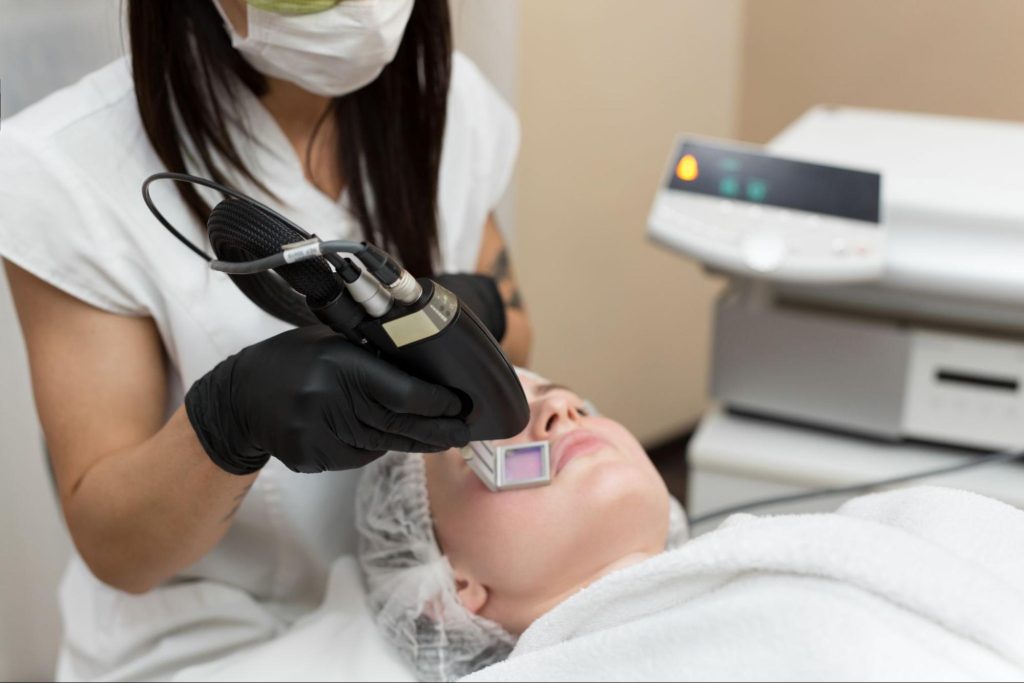
The use of micro-focused ultrasound treatment has become a standard approach for addressing skin laxity in the face and neck area. This technology works by delivering precise thermal energy to specific depths beneath the epidermis, bypassing the surface to reach the foundational connective tissues. When this energy reaches the targeted focal points, it triggers a natural biological response known as neocollagenesis, where the body begins to produce fresh collagen and elastin. These proteins are the essential components required to maintain the structural integrity and resilience of the skin, providing a firmer and more youthful appearance as they mature over several months.
Structural improvements through this method are particularly effective because they target the superficial muscular aponeurotic system, which is the same fibrous layer addressed during a surgical facelift. By stimulating this deep layer without the requirement for incisions, the procedure provides a lifting effect that is entirely natural-looking. This internal reconstruction ensures that the results are rooted in the physical restoration of the skin's support matrix rather than a superficial change. As the newly formed collagen matrix organises and strengthens, the skin becomes denser and more elastic, resulting in a subtle but visible rejuvenation of the facial contours.
Precision Through Real-Time Visualisation Technology
A significant advancement in ultrasound-based lifting is the integration of real-time visualisation technology during the clinical session. This capability allows the practitioner to see the layers of muscle, fat, and connective tissue on a digital screen while the energy is being administered. By visualising the internal anatomy, the clinician can confirm that the therapeutic heat is being deposited exactly at the intended depth, such as the deep dermis or the fibromuscular layer. This level of oversight ensures that the treatment is tailored to the unique anatomical variations of each individual, increasing the safety and efficacy of the energy delivery.
The ability to see beneath the skin surface also allows the doctor to avoid sensitive structures such as bone or nerves, which should not be exposed to thermal energy. This precise targeting removes much of the guesswork associated with "blind" energy treatments, providing a more consistent and predictable outcome for the patient. For individuals seeking Ultherapy skin tightening Singapore, this technological transparency offers a level of professional scrutiny that is standard in medical-grade environments. By ensuring that every pulse of energy contributes to the final lifting result, the technology supports a more efficient and comfortable procedure that respects the delicate nature of the facial anatomy.
Comparing Energy Modalities for Skin Tightening
When researching options for firming the face and neck, many individuals evaluate the differences between ultrasound energy and radiofrequency technology. While radiofrequency treatments gently heat the middle layers of the skin to tighten existing collagen and improve surface texture, ultrasound energy penetrates much deeper to provide a foundational lift. This deeper reach makes ultrasound more suitable for individuals with moderate sagging who require structural support for the jawline, chin, and brow. Understanding these technical differences helps patients align their aesthetic goals with the most appropriate energy modality for their current skin condition.
In some clinical plans, these technologies may be used at different intervals to provide a multi-layered approach to rejuvenation. For instance, structural lifting might be utilised to address deeper laxity, while other treatments focus on smoothing out fine lines and improving the overall tautness of the skin surface. This combined strategy ensures that the skin is healthy and resilient across all physiological levels, from the deep connective tissues to the epidermis. By working with a medical professional at a reputable facility, patients can develop a bespoke roadmap that utilises the specific strengths of each technology to achieve a balanced and harmonious final appearance.
Clinical Standards and Regulatory Compliance in Singapore
The safety of any aesthetic intervention depends heavily on the professional standards of the medical centre and the credentials of its practitioners. In Singapore, it is a strict requirement that all medical aesthetic procedures be performed by doctors who are officially registered with the Singapore Medical Council. These professionals should ideally hold specific certificates of competence for the technologies they operate, ensuring that they have the necessary technical proficiency to manage your skin safely. A reputable provider will maintain a professional clinical environment that prioritises hygiene and medical governance over commercial retail interests.
Patients are encouraged to look for facilities that utilise medical-grade equipment registered with the Health Sciences Authority. Authenticity is a vital factor in achieving consistent results, as counterfeit or uncertified machines can lead to ineffective sessions or serious complications. A transparent consultation process is the hallmark of a high-quality clinic, where the practitioner provides clear information regarding the science behind the treatment and the realistic expectations for recovery. By choosing a facility that values patient education and clinical integrity, individuals can ensure that their non-invasive skin lifting Singapore experience is managed with the highest level of professional scrutiny and care.
Post-Treatment Care and Longevity of Results
The recovery process following ultrasound-based lifting is generally straightforward, as the procedure does not damage the outer surface of the skin. Most patients experience only mild redness or a slight sensation of tenderness in the treated areas, both of which typically resolve within a few hours or days. Maintaining the results involves a dedicated approach to skin health, including the daily application of a broad-spectrum sunscreen to protect the newly formed collagen from ultraviolet radiation. Consistent hydration and a gentle skincare routine also support the skin's regenerative processes, ensuring that the improvements remain stable over the long term.
While some initial tightening may be observed shortly after the session, the most significant lifting and firming results develop progressively over three to six months. This timeline reflects the natural biological cycle of protein synthesis and the gradual strengthening of the skin's internal support matrix. Many patients find that the results from a single session can last for a year or more, depending on their individual ageing process and lifestyle habits. Periodic maintenance sessions may be recommended to sustain the firm appearance as the natural ageing process continues, providing a reliable solution for those who prioritise sustainable skin health and clinical precision.
FAQs
1. How long does the lifting effect of the procedure typically last? The results from a single session of focused ultrasound lifting can last for a year or more, as the treatment stimulates the body's natural production of fresh collagen. The longevity of the outcome depends on your individual biological response and how well you maintain your skin health through aftercare and sun protection following the session.
2. Is the treatment session manageable for the average patient? Modern ultrasound platforms are designed to be significantly more comfortable than earlier generations. While most patients experience a brief sensation of heat or tingling as the energy pulses reach the targeted depths, the experience is generally manageable. A topical numbing cream is usually applied before the session to ensure maximum patient comfort throughout.
3. What distinguishes the latest generation of ultrasound systems? The latest generation of the technology is engineered to be 20 per cent faster and more efficient, allowing for a more streamlined clinical experience. It also features refined transducers and improved real-time imaging, which allow for a higher degree of precision and customisation during the session compared to legacy systems.
4. Who is considered a suitable candidate for this non-surgical lifting? Individuals with mild to moderate skin laxity who are looking for a non-invasive way to lift the brow, neck, or chin are generally suitable candidates. The treatment is safe for all skin tones and is an option for those who wish to avoid the risks and extended downtime associated with traditional surgical procedures.
5. Are there any common temporary effects to be aware of? The procedure is generally considered safe with minimal risks. Common temporary side effects include mild redness, slight swelling, or a feeling of tenderness in the treated areas, all of which usually resolve quickly without the need for significant medical intervention or time away from daily activities.
Read another Article >> Thermage vs Ultherapy: Guide to Skin Lifting in Singapore
Posted May 14, 2026 22:43
 Ultherapy skin tightening Sing
Add Your Comment
 RSS Feed
Recent Blog Entries
Tags
Archive
- August 2026
- July 2026
- June 2026
- May 2026
- April 2026
- March 2026
- February 2026
- August 2025
- July 2025
- June 2025
- May 2025
- April 2025
- March 2025
- February 2025
- January 2025
- December 2024
- November 2024
- October 2024
- September 2024
- August 2024
- July 2024
- June 2024
- May 2024
- April 2024
- March 2024
- February 2024
- January 2024
- December 2023
- November 2023
- October 2023
- September 2023
- August 2023
- July 2023
- June 2023
- May 2023
- April 2023
- March 2023
- February 2023
- January 2023
- December 2022
- November 2022
- October 2022
- September 2022
- August 2022
- July 2022
- June 2022
- May 2022
- April 2022
- March 2022
- February 2022
- January 2022
- December 2021
- November 2021
- October 2021
- September 2021