 April 29, 2026 03:15
Mastering Your Access Control System Installation
In 2026, the necessity for robust security in commercial and residential properties across Singapore has transitioned from a luxury to a fundamental requirement. As organisations become increasingly hi-tech, traditional lock and key mechanisms are no longer considered sufficient for securing high-value assets in offices or data centres. Implementing a modern access control system not only boosts the physical safety of the premises but also introduces a significant level of administrative convenience and operational responsibility for the management team.
Establishing a reliable framework for managing building entry requires a comprehensive approach that integrates hardware, software, and the underlying infrastructure. Comnet offers end-to-end solutions that encompass consultancy, professional installation, and ongoing maintenance to ensure that every technical component works in perfect harmony. By understanding the intricacies of wiring, power planning, and device positioning before commencing work, firms can ensure their security measures provide long-term stability and performance.
Key Takeaways:
-
Site surveys are essential for evaluating infrastructure and client security needs.
-
Structured cabling provides a scalable foundation that prevents network instability.
-
Dedicated power redundancy maintains security functions during local electrical outages.
-
Accurate labelling of all cabling components significantly reduces troubleshooting delays.
-
Integrated surveillance systems offer visual verification to strengthen incident investigations.
Strategic Planning and Infrastructure Surveys
A fundamental principle of professional security implementation is that no physical work should be forced before a thorough review of the environment is completed. Conducting a proper site survey represents the first stage of the process, with the primary objective being to evaluate the specific security requirements of the client. Specialists must carefully assess the property layout and existing electrical infrastructure to identify if current network cabling services in Singapore are sufficient to support the new hardware.
During this assessment phase, installers determine the exact number of entry points and the types of gates or doors involved to ensure compatibility with modern devices. This is also the point where they decide if the setup must integrate with secondary systems, such as intruder alarms or video monitoring, to provide a holistic security ecosystem. A well-planned site review ensures that the infrastructure can support an access control system effectively without needing expensive or unsightly structural modifications later.
Diverse Hardware and Authentication Methods
Procurement begins with understanding the range of devices available, from cost-effective card-based readers to advanced biometric setups. Card-based systems are widely applied in commercial premises because they are easy to use and can affordably service multi-door installations. Alternatively, keypad systems eliminate the need for physical badges by requiring a numeric code for entry, making them ideal for storerooms or office common rooms where moderate convenience is prioritised over high security.
For environments requiring the highest level of protection, biometric systems utilise unique human characteristics like fingerprints or facial recognition to verify identity. These systems are almost impossible to duplicate, which is why they are favoured by financial institutions and medical facilities. Meanwhile, RFID and mobile-driven platforms offer contactless convenience, allowing users to open doors via smartphones or fobs. Selecting the right hardware depends on balancing the specific security risks with the required traffic volume.
The Importance of Structured Cabling
A frequent mistake amongst growing organisations is the reliance on ad-hoc cabling as their network requirements expand over time. While this makeshift approach might appear manageable in the very short term, it eventually leads to unsightly wiring clutter and unstable operations. The secret to achieving trouble-free performance lies in the implementation of an efficient cabling system designed for longevity and professional management.

Professional structured cabling solutions provide an organised framework that offers the flexibility needed to add new devices with minimal business disruption. By applying systems with high bandwidth potential and spare capacity, firms can integrate new technology without the high cost of total rewiring as demand grows. This methodical approach to infrastructure design forms the core of a resilient and efficient server room that can support an access control system for years.
Power Management and Signal Integrity
Wiring serves as the essential backbone of any digital entry setup, requiring clear routes that are kept well away from high-voltage electrical lines. Installers must ensure all cable routes are clear of interference to prevent signal degradation between readers and controllers. Methodical wiring and labelling prevent the system from becoming a disorganised liability that is difficult to repair, which is essential for maintaining a consistent security posture.
Equally important is the power source, as access devices depend on stable electricity to function without interruption. Incorporating uninterruptible power supplies ensures that readers and locks remain active during local grid failures or electrical faults. A reliable power solution protects sensitive electronics from damage while providing the redundancy needed to support critical access functions until primary power returns. This level of protection is especially essential for high-security environments where any loss of monitoring could leave a building vulnerable.
Installation Standards and Hardware Mounting
After the wiring infrastructure is ready, hardware must be mounted carefully in strategic locations that maximise both security and user convenience. Controllers are generally installed in secure indoor areas to prevent tampering, while readers and keypads are positioned at ergonomic heights for ease of use. All locks and strikes must be aligned precisely with the door frames to maintain mechanical reliability and prevent malfunctions.
Outdoor installations require extra consideration, involving the use of weather-resistant fittings to ensure durability in exposed areas. Technicians must also verify that all network cables and ducts meet the standards expected for corporate infrastructure to ensure seamless data transmission. Proper hardware placement ensures that the physical barrier is as secure as the digital logic controlling it, providing long-term reliability for the building occupants. Preparing professional tools like testers and screwdrivers beforehand supports the technicians in operating more professionally throughout this process.
Software Setup and Functional Validation
The transition from physical hardware to a functional system occurs during the software configuration and programming phase. Technicians create individual user profiles, assign specific permissions, and set detailed schedules to define who can enter the building at various times. Accurate programming ensures the smart access control system functions exactly as intended across various real-world scenarios, including emergency access protocols.
Thorough testing of every component is a mandatory requirement before the system is officially handed over to the client. Every credential, whether it is a proximity card or a biometric template, must be verified to confirm it grants access correctly at each specific reader. Technicians must also run simulations of power outages to verify that the backup modules provide the necessary resilience to maintain security. These checks ensure that software logs accurately mirror real entries made during the testing phase.
Integrated Surveillance and Final Handover
Modern access solutions often integrate seamlessly with a CCTV system to provide visual verification alongside digital logs. When a credential is used, the corresponding camera captures footage instantly, which significantly enhances the audit trail for investigations. This integration strengthens overall security by combining entry control with real-time monitoring of the premises. Installers should confirm the synchronisation between video records and access events under different lighting conditions for optimal results.
The final checks before commissioning the system involve verifying that all doors and gates lock and unlock as expected under constant use. Technicians must run multiple tests with different user credentials to ensure the software logic is sound. A final inspection ensures all parts are tightly fitted and that the backup battery is fully functional and ready to take over if required. By following this structured process, organisations achieve long-term security, operational continuity, and peace of mind.
FAQs
1. Why is a site review necessary before starting the installation? A proper site survey evaluates the client's security requirements and assesses the property layout to plan cable routes and equipment placement correctly. This identifies if the current network cabling is sufficient or requires modifications to support the hardware.
2. How do uninterruptible power supplies protect building security? An uninterruptible power supply ensures continuous operation during electrical outages, protecting sensitive electronics and preventing system downtime in high-security environments. It provides the redundancy needed to maintain critical access functions until main power is restored.
3. What role does structured cabling play in an access control system? Structured cabling acts as the backbone of the setup, providing an organised and scalable framework that reduces signal interference. It allows for the flexible addition of new devices or system upgrades with minimal business disruption.
4. What items are needed before starting the installation? Installers must prepare control panels, readers, power supply units, and backup battery modules alongside mechanical parts like magnetic locks and network cables. Software credentials and professional tools such as drills and testers are also required.
5. How does CCTV integration improve property security? It allows for visual verification by capturing footage instantly when a credential is used, which enhances audit trails and incident investigations. This dual-layered approach combines entry control with real-time monitoring for a complete security ecosystem.
Read another Article: Best Practices for Professional Server Room Management
Posted April 29, 2026 03:15
 Singapore
 Reply
Reply
April 22, 2026 13:34
Strategic Logistics: A Guide to Road Freight Efficiency

Singapore holds a unique and vital position in the Southeast Asian trade landscape, acting as a preferred hub for regional firms. While air and sea freight are common, cross border trucking provides a faster alternative to maritime transit and a more economical choice than aviation. This mode of transport serves a diverse range of businesses, from e-commerce sellers to bulk exporters, by offering balanced speed and reasonable prices. Establishing a clear understanding of these logistics allows business leaders to make wiser choices for their supply chains.
The efficiency of road haulage between Singapore and Malaysia is largely due to the high quality of infrastructure and business-friendly policies in the region. Logistics managers can choose between dedicated vehicles or shared loads to meet their specific volume requirements and delivery timelines. This guide details the essential stages of the journey, covering everything from the initial pickup to final destination clearance. By focusing on these operational facts, organisations can optimise their movement of inventory across the peninsula.
Key Takeaways:
-
Road haulage is usually one day behind air freight but much faster than sea freight.
-
Shared truckloads significantly reduce costs for smaller shipment volumes.
-
Transparent pricing includes fuel, tolls, and documentation fees.
-
AEO status for providers can lead to faster clearance and fewer inspections.
-
Warehousing in Free Trade Zones allows for the deferment of tax payments.
Navigating the Financial Landscape of Road Freight
The cost basis for road transit is significantly more favourable than air freight, as it typically uses a flat rate per container rather than charging by weight. For companies requiring a container trucking company in Singapore, the price transparency often includes base rates, tolls, and customs permit processing. Businesses often find that road-based transport is the undisputed champion for bulky inventory where air premiums would be prohibitive. Identifying the best value requires requesting itemised quotes from multiple providers to compare services.
Total cost analysis must account for more than just the transportation rate, including indirect savings such as lower packaging costs. Road haulage allows for simpler and reusable packaging compared to the robust materials needed for sea or air voyages. Furthermore, the door-to-door nature of trucking eliminates multiple handling fees and reduces the risk of transit damage. By consolidating smaller shipments into full loads, businesses can leverage economies of scale to protect their profit margins.
Operational Mechanics of Cargo to Malaysia
Moving cargo to Malaysia involves a sequence of well-defined stages starting with the first-mile pickup from a warehouse or office. Unlike other international corridors, trucks from both nations can cross the border directly without unloading and reloading the contents. This seamless transition decreases the risk of damage and prevents unnecessary delays during the mid-mile transit. For LTL shipments, goods are first taken to a consolidation centre where they are grouped with other consignments.
The journey across the Causeway or Second Link involves origin customs clearance at the Johor checkpoint. Malaysian officials inspect documents like commercial invoices and packing lists to grant export approval. Once cleared, the lorry proceeds into Singapore for destination clearance, where importers must present their Unique Entity Number. Accurate documentation is vital at every stage, as incomplete paperwork can lead to the detention of the shipment.
Selecting Between Dedicated and Shared Services
Businesses can choose between Full Truckload (FTL) and Less-than-Truckload (LTL) depending on their specific shipment size. FTL offers a fixed price per container and is ideal once a shipment fills more than twelve cubic metres. This option allows for dedicated security and gives the shipper control over dispatch times instead of adhering to rigid schedules. Dedicated transit usually takes one to two days to reach major destinations like Kuala Lumpur or Penang.
Shared truckload services are more economical for smaller batches of goods, as shippers only pay for the space they occupy. Rates for these services are often quoted per cubic metre or per hundred kilograms, whichever is higher. This model is perfect for businesses sending a parcel to Malaysia or documents through a courier network. While shared loads may require additional sorting time, they provide a flexible solution for maintaining lean inventory levels.
Managing Ancillary Fees and Budget Risks
Beyond the base transport rate, several ancillary charges can impact the total invoice if not managed correctly. Demurrage and detention fees often apply if a container is not loaded or unloaded within the agreed free time, typically two to four hours. These costs can range from fifty to one hundred and fifty dollars per hour of delay. To avoid these surprises, warehouse teams must be prepared for the truck's arrival to ensure a smooth transition.
Fuel surcharges also fluctuate with global oil prices and are often calculated as a percentage of the base rate. Negotiating a fixed fuel component in a contract can provide greater budget predictability for regular shippers. Additionally, special handling for hazardous materials usually incurs a risk premium. Disclosing the nature of the goods upfront ensures that the initial quote is accurate and prevents unexpected surcharges during transit.
Building Resilience with Specialist Logistics Partners
Navigating the complexities of cross-border haulage is rarely a core competency for most commercial enterprises. Partnering with a dedicated logistics specialist transitions a provider from a simple vendor into a strategic partner. A competent partner delivers critical value through data-driven advice on mode selection and cost optimisation. They manage the complete documentation and customs brokerage process, minimising the risk of penalties due to administrative errors.
End-to-end visibility is another vital benefit provided by professional logistics firms through real-time tracking portals. This transparency gives businesses greater control and peace of mind when managing sensitive or high-value inventory. Specialist partners with AEO status can also offer advantages like faster clearance times at land checkpoints. Ultimately, establishing a long-term relationship with a single provider can lead to loyalty discounts and tiered pricing based on volume.
Future-Proofing Supply Chains with Sustainable Hubs
Singapore's position as a regional distribution hub is strengthened by its world-class Free Trade Zones. Utilising these zones for warehousing allows businesses to delay tax payments and facilitate efficient redistribution across Southeast Asia. This arrangement is highly beneficial for organisations that require a central base for their regional operations with agility. Selecting a provider near major depots like Pasir Panjang can also reduce empty running charges.
Sustainability is becoming an increasingly important factor in logistics, with some hauliers offering carbon offset programmes. Choosing a provider with environmental policies aligns your supply chain with modern corporate sustainability goals. Advanced telematics systems are also used to monitor fuel consumption and optimise routes for lower emissions. By integrating these strategic elements, companies can create a resilient and high-performance logistics model for the peninsula.
FAQs
1. What is the average cost for a 20-foot container from Singapore to Kuala Lumpur? The average cost ranges from SGD 650 to 900, inclusive of base rate, tolls, and basic customs clearance. Premiums for urgent delivery or weekend pickup add 30–50%.
2. Does the quoted transport price include GST and Malaysian import duties? No, transport quotes exclude Goods and Services Tax (GST) and any import duties or taxes payable in Malaysia. These are billed separately by customs authorities.
3. How can I get a lower rate for regular cargo moving to Malaysia? Sign a monthly volume commitment or a long-term contract; many providers offer 10–15% discounts for ten or more trips per month. Consolidating shipments also reduces per-unit cost.
4. What happens if my cargo is delayed at the international border? Delays from customs inspections are usually not charged extra if beyond the carrier's control. However, if caused by incorrect paperwork from the shipper, waiting time fees may apply.
5. Is insurance included in the standard container trucking price? Basic liability coverage is often included, but at a low limit, such as SGD 5,000. For high-value cargo, purchase separate marine cargo insurance from a recommended insurer.
Read another Article >> Regional Freight: Singapore to Malaysia Trucking
Posted April 22, 2026 13:34
April 19, 2026 07:19
Ultherapy Prime: The Future of Non-Surgical Facial Lifting
Aesthetic medicine in Singapore has undergone significant modernisation, moving away from invasive surgery toward regenerative and health-led procedures. Many individuals are seeking treatments that work in harmony with their natural anatomy to provide subtle yet effective rejuvenation. This shift is supported by high regulatory standards ensuring medical safety and clinical transparency. Understanding these innovative technologies is the first step toward a refreshed appearance that respects your unique features and provides long-lasting vitality to the skin layers.
Key Takeaways:
-
SMC registration is mandatory for all aesthetic practitioners.
-
Ultherapy Prime provides a faster lifting session with real-time imaging.
-
Bio-remodelling treatments can be integrated for structural support.
-
Safety and hygiene protocols are indicators of clinical excellence.
-
Collagen stimulation offers results that can last for over a year.
Essential Standards for Clinical Selection in Singapore
Selecting a medical facility for facial enhancements requires thorough research and a critical eye for professional standards. In Singapore, it is mandatory for all aesthetic procedures to be conducted by doctors registered with the Singapore Medical Council. These practitioners should possess certificates of competence for the specific devices they operate, such as advanced ultrasound platforms. When visiting a clinic, observe the hygiene standards and the quality of the environment to confirm they adhere to strict medical protocols.
Authenticity of technology distinguishes a reputable centre from a standard beauty salon. You should ask about the specific brands of equipment and verify their registration with the Health Sciences Authority. Original, medical-grade devices undergo rigorous testing to ensure consistent energy delivery and safety for various skin types. A transparent consultation where the doctor explains the science behind a recommendation builds trust and ensures your expectations remain realistic throughout the entire regenerative process.
The Evolution of Focused Ultrasound Lifting Technology
The latest generation of focused ultrasound, known as Ultherapy Prime, has redefined the landscape of non-invasive lifting. This platform is engineered to be twenty per cent faster than legacy systems while maintaining the same lifting efficacy. By delivering energy to the deeper tissue layers, it stimulates collagen and elastin production without disrupting the surface. This efficiency allows patients to complete a session in just thirty to ninety minutes, fitting into a busy professional or social schedule.
Precision is enhanced through real-time ultrasound imaging, allowing the practitioner to see the tissue layers during treatment. This ensures therapeutic energy is deposited exactly where needed, such as the deep dermis or fibromuscular layer. By personalising the depth and intensity based on anatomical feedback, doctors avoid sensitive structures while maximising results. This data-driven approach removes guesswork associated with older energy-based modalities, leading to more predictable clinical outcomes and a higher standard of patient care.

Structural Rejuvenation and Bio-Remodelling Techniques
Modern rejuvenation often involves a multi-layered strategy addressing both structural foundations and skin quality. For individuals noticing a loss of fat layer support, incorporating Profhilo structura can help reposition and support tissues that have migrated due to gravity. This bio-remodelling treatment focuses on restoring the internal architecture of the face rather than just adding volume. When used with foundational ultrasound lifting, it manages both sagging and tissue density effectively for a comprehensive aesthetic result.
The combination of energy-based lifting and bio-remodelling injectables provides a synergistic effect that singular treatments might lack. While ultrasound tightens the deeper connective tissues, hyaluronic acid-based sessions improve the internal hydration of the dermis. This approach ensures that the face is lifted and appears healthy from within. By addressing ageing across different physiological levels, clinicians provide a transformation that looks authentic and respects the natural movement and dynamic expressions of the facial features.
Enhancing Dermal Integrity and Facial Contours
Addressing the superficial Muscular Aponeurotic System is essential for achieving a visible lift of the brow, neck, and jawline. This connective layer provides primary support but loses tension as structural protein production decelerates. Focused ultrasound bypasses the epidermis to reach these focal points, initiating a controlled thermal response that prompts immediate fibre contraction. This foundational work sets the stage for a months-long regenerative cycle that progressively firms the skin and enhances the definition of the facial profile.
Beyond structural changes, these interventions significantly improve the overall texture and tone of the complexion. As fresh collagen fibres mature, fine lines are smoothed, and the skin gains a tighter appearance. This enhancement is safe for all skin tones and does not remove the outer skin layers, reducing the risk of pigmentation changes or scarring. Patients find that their skin feels denser and more bouncy, reflecting the restoration of biological health that is typically found in younger skin tissue.
Navigating the Treatment Timeline and Aftercare Support
Understanding the physiological timeline of a non-surgical lift is vital for maintaining an informed perspective. While some initial tightening may be observed shortly after the clinic visit, the most significant improvements in lifting and firming develop over three to six months. This gradual transition allows results to integrate seamlessly with your natural features, avoiding an artificial change. Most patients find that the benefits of a single session last for a year or longer, providing an excellent return on investment.
Securing the longevity of your clinical result requires a commitment to post-procedure care and environmental protection. Daily application of a broad-spectrum sunscreen is the most effective way to shield new collagen from ultraviolet damage and prevent future sagging. Your clinician will provide a tailored aftercare programme that may include specific moisturisers to support the skin as it heals and regenerates. By viewing rejuvenation as an ongoing partnership with your medical provider, you sustain a resilient and youthful complexion through consistent professional oversight.
FAQs
-
What is the difference between legacy ultrasound and the latest versions? The newest platforms are twenty per cent faster and more efficient, featuring improved transducers for delicate areas. They also offer enhanced real-time imaging to ensure the energy is delivered precisely to the correct tissue layers.
-
Who is considered an ideal candidate for non-surgical lifting? Individuals with mild to moderate skin laxity seeking a non-invasive way to lift the brow, chin, or neck are generally suitable. It is an excellent choice for those who wish to avoid surgery and its associated downtime.
-
Is there significant downtime after an ultrasound lifting session? Most patients experience minimal downtime and are able to resume their normal daily activities and skincare routines immediately. Some temporary redness or slight tenderness may occur in the treated areas, but usually resolves quickly.
-
How long do the results of a single session typically last? The lifting and firming effects generally last for a year or more, as the procedure stimulates the body's natural collagen production. Periodic maintenance sessions can help to sustain these results as the natural ageing process continues.
- Are these aesthetic treatments safe for all skin tones?Yes, the focused ultrasound technology is safe and effective for all skin phototypes because it bypasses the surface of the skin. A thorough consultation with a doctor is necessary to confirm your suitability and health status.
Read another Article: Advanced Facial Contouring with Ultherapy Prime
Posted April 19, 2026 07:19
April 12, 2026 12:42
Effective Building Entry And Data Management Guide
Establishing a secure and reliable entry system for commercial premises in 2026 requires a structured approach that integrates physical hardware with digital intelligence. Many modern organisations in Singapore now seek a hassle-free method of managing their perimeters, which is most effectively achieved when the installation follows a disciplined and professional methodology. By focusing on proper planning and the correct positioning of equipment, a facility can ensure long-term stability while maintaining a safe environment for all occupants.
A professional installation involves a deep understanding of multiple technical components, ranging from complex electrical wiring to the final software configuration. Before any physical work commences, it is essential to define the interaction between entry points, power modules, and secondary systems like video monitoring or network infrastructure. Adopting a well-documented checklist allows technical teams to operate with greater efficiency and reduces the likelihood of technical faults occurring after the system goes live.
Key Takeaways:
-
Site surveys identify specific security needs and cable routes.
-
Structured cabling avoids the inefficiencies of ad-hoc network growth.
-
Power redundancy maintains critical access during electrical disruptions.
-
Labelling and documentation are vital for rapid fault diagnosis.
-
Regular maintenance audits preserve hardware integrity and system uptime.
Essential Pre-Installation Site Assessments
Professional installers operate under the principle that no physical work should be forced before a thorough review of the environment is completed. The primary objective of the initial site survey is to evaluate the specific security requirements of the client and the physical layout of the property. This evaluation helps in determining potential cable routes and assessing if the existing electrical infrastructure is robust enough to support a new digital entry solution.
During this assessment phase, specialists identify the total number of entry points and the types of gates or doors involved. They also verify if current network cabling services are adequate or if a new structured system is required to handle the data load. This planning stage ensures that the chosen hardware will function as intended and can later be integrated with other facility systems, like alarms or surveillance, without needing expensive structural modifications.
Precision Wiring And Power Continuity
Wiring serves as the essential backbone of any modern security setup, requiring clear routes that are kept well away from electrical lines to avoid interference. All cables must be clearly labelled during the installation process to simplify future maintenance tasks and allow for quick fault diagnosis. A methodical approach to the cabling infrastructure prevents common performance issues and ensures that signals from readers and locks reach the controller without delay.
Stable electricity is a non-negotiable requirement for digital access hardware, as any disruption can compromise the security of the building perimeter. Incorporating high-quality uninterruptible power supplies into the control panel design ensures that the system remains operational during local grid failures or electrical faults. These power solutions protect sensitive internal electronics from damage while providing the necessary redundancy to support critical access functions until primary power is restored.

Strategic Hardware Deployment And Safety
Once the underlying infrastructure is ready, hardware must be mounted carefully in locations that maximise both security and user convenience. Controllers are generally installed in secure indoor areas to prevent tampering, whereas readers and keypads are positioned at ergonomic heights for ease of use. All locks and strikes must be aligned precisely with the door frames to maintain mechanical reliability and prevent malfunctions during daily operations.
Outdoor installations require extra consideration, involving the use of weather-resistant fittings to ensure durability in exposed areas. In complex environments like large commercial offices or hotels, the hardware must also integrate seamlessly with network equipment for real-time monitoring. Final inspections verify that all components are tightly fitted and comply with local safety standards, providing a dependable solution that meets the operational needs of the facility.
Optimising Server Room Cabling Efficiency
One of the most frequent mistakes organisations make is resorting to ad-hoc cabling as their data requirements grow over time. This disorganised approach eventually leads to unsightly wiring clutter, unstable operations, and a very difficult environment for technical troubleshooting. Investing in a professional structured cabling system provides an organised and scalable framework that allows for future upgrades with absolute minimal business disruption.
Airflow management is another critical factor in server room health, as blocked vents can lead to hardware overheating and hardware failure. Cables should be organised using trays, racks, and organisers to ensure that air movement around expensive servers and network switches remains unobstructed. Good cooling practices, combined with clean and methodical cabling, ensure that IT hardware lasts longer while maintaining the high performance required for corporate operations.
Signal Integrity And Interference Mitigation
Running power and data cables in the same conduits can lead to electromagnetic interference, which often results in network instability and signal drops. Best practices dictate that power and data cabling must be kept separate to avoid these performance issues. This separation is especially important for sensitive security systems, such as CCTV and entry controls, where signal integrity is essential for reliable monitoring and verification.
Utilising industry-standard management tools like patch panels and Velcro straps further enhances the organisation and accessibility of the cables. Unlike temporary fixes like tape or zip ties, these tools keep everything tidy and allow for easy maintenance or hardware servicing. High-quality shielding materials are also recommended where possible to prevent signal disturbance and ensure that all digital systems perform reliably under constant load.
Maintenance Audits And Future Scalability
Periodic inspections are essential for even the most advanced cabling systems to ensure they remain in optimal condition. Factors such as dust accumulation, physical abrasion, or unintended shocks can adversely affect system performance over time. Regular maintenance audits include checking cable integrity, verifying connectivity, and inspecting backup power sources to ensure they are fully synchronised for emergency events.
A commonly overlooked aspect of server room administration is planning for long-term scalability from the very first day. Designing a system with high bandwidth potential and spare capacity allows a business to expand its server room as demands grow. This foresight keeps expensive rewiring to a minimum and allows for the rapid integration of new technology, ensuring the building infrastructure remains a future-proof powerhouse.
FAQs
1. Why is a site review necessary before installing a security system? A proper site survey evaluates the specific layout, potential cable routes, and existing electrical infrastructure to ensure the system meets all security requirements without needing modifications later.
2. How do backup power supplies protect critical entry functions? They ensure continuous operation during electrical outages, protecting sensitive electronics and preventing system downtime in high-security environments.
3. What is the main advantage of structured cabling in a server room? Structured cabling provides an organised, scalable system that allows for easier maintenance, rapid troubleshooting, and the flexible addition of new devices with minimal disruption.
4. Why must data and power cables be kept separate? Separating these cables avoids electromagnetic interference, which is vital for maintaining the signal integrity and reliability of sensitive systems like CCTV and entry controls.
5. How does airflow management prevent equipment failure? Keeping cables organised in racks and trays prevents them from blocking vents, ensuring adequate cooling that protects expensive hardware from overheating and burnout.
Read another Article: Technical Resilience In Building Security
Posted April 12, 2026 12:42
April 8, 2026 22:47
Emergency Dental Care and Oral Health Solutions
Experiencing a sudden and intense dental issue can be a worrying event that interrupts your daily routine and causes significant physical stress. At Ginza Dental, the clinical team recognises the impact an unexpected ache has on an individual and their family members. Whether you feel a sharp sensation while chewing your food or a dull pain that prevents sleep at night, professional support is available to provide same-day care. This local accessibility offers reassurance during times of health-related concern, ensuring that help is near when discomfort becomes difficult to manage. By selecting a practitioner who offers efficient consultations, you can work toward restoring your oral health and returning to your normal routine. Acting quickly when a problem arises is a functional way to protect your teeth and manage your overall well-being.
Key Takeaways:
-
Orthodontic evaluations for children are typically recommended from age seven.
-
Physical signs like facial swelling or fever indicate a need for urgent care.
-
Rinsing with warm salt water can help reduce local swelling at home.
-
Dental extractions may be categorised as simple or surgical depending on complexity.
-
Transparent pricing and payment plans help families manage unexpected dental costs.
Analysing the Causes of Severe Dental Discomfort
Staying composed is the first step toward evaluating the nature of your discomfort accurately. Oral pain can range from a minor irritation that occurs only occasionally to a disabling sensation that makes it difficult to focus on work or rest. It is helpful to stay calm while investigating whether the discomfort is restricted to a single tooth or if it appears to affect a larger area of the jaw. You might also observe if there is any visible swelling in the gums or if the pain is triggered primarily when biting down on food.
While temporary mild discomfort might be manageable for a short period, persistent or intense pain should not be ignored. Delaying a visit to a professional can make the clinical situation more complex and heighten the risk of complications. Pain is an internal signal that something requires attention, and addressing it promptly is vital for long-term health. Understanding the difference between minor sensitivity and a dental emergency is a key part of protecting your smile. Seeking guidance from a professional can help resolve the problem before it develops into a more extensive issue.
Practical Strategies for Temporary Home Relief
While waiting for a professional consultation, certain measures can help manage discomfort from the comfort of your home. Rinsing the mouth with warm salt water is a simple option to reduce local swelling and clean the affected area. Additionally, placing a cold compress or an ice pack on the outside of the cheek can help numb the area and manage inflammation. These methods serve as a useful first line of management against rising levels of pain while you prepare for your clinical visit.
Over-the-counter medications such as paracetamol or ibuprofen can provide temporary relief from a throbbing sensation or a sharp ache. You should always read the instructions on the packaging carefully and follow the recommended dosages. It is also advisable to avoid hot, cold, or sweet foods that might aggravate sensitivity and cause additional pain. Sleeping with the head raised can prevent increased circulation to the head, which sometimes worsens a throbbing ache. These steps are temporary and do not replace professional treatment from a qualified practitioner.
Clinical Approaches to Tooth Extraction
When a tooth cannot be repaired with a standard filling or crown, a clinical extraction may be the most appropriate solution for your oral health. The process begins with a professional assessment, which often includes digital X-rays to see the tooth's position and the surrounding bone. For teeth visible above the gum line, a simple extraction is performed using instruments called elevators and forceps. The area is numbed with local anaesthesia to ensure the patient feels pressure rather than sharp pain during the removal.
Surgical extractions are required for more complex cases, such as when a tooth has broken off at the gum line or is impacted. This method involves a small incision in the gum to allow the clinician to access and remove the tooth safely. This procedure is common for impacted wisdom teeth and may require a few stitches to support healing. A professional will explain which type of extraction is necessary before the treatment begins. Diagnostic imaging ensures that the clinical team can plan the procedure with precision to minimise trauma to the surrounding tissues.
Navigating the Recovery and Healing Process
Correct aftercare is essential for speeding up the healing process and preventing complications such as dry socket. Immediately after the procedure, you should bite gently on a gauze pad for thirty to forty-five minutes to help a blood clot form. It is important to rest for the remainder of the day and avoid any strenuous physical activity. During the first twenty-four hours, you should not rinse your mouth, spit forcefully, or use a straw, as these actions can dislodge the blood clot.
After the initial twenty-four-hour period, you can begin rinsing gently with warm salt water two to three times daily. Sticking to a soft food diet, including items like yoghurt, soup, and mashed potatoes, helps protect the surgical site during the first few days. Applying an ice pack to the cheek for short intervals during the first day can also assist in reducing external swelling. Most patients feel significant improvement within two to three days after the procedure. If you experience severe pain or signs of infection, you should contact your clinician for a follow-up review.
Early Orthodontic Monitoring for Children
Orthodontic evaluations for younger patients are generally advised from the age of seven as adult teeth begin to emerge. At this stage, a clinician can monitor the alignment, bite patterns, and the amount of space available in the jaw. Identifying issues such as overcrowding, large gaps, or an uneven bite early allows for better clinical planning. This interceptive approach can guide jaw growth while it is still maturing, potentially making future treatments simpler and more effective.
There are various appliance options available for children and adolescents, depending on their specific dental requirements and comfort. Durable metal braces are a common choice for correcting significant alignment concerns. For those who prefer a less visible option, ceramic braces match the natural colour of the teeth, while clear aligners may be suitable for mild cases. A professional will help parents understand which choice complements their child's daily activities and hygiene needs. Regular checks every few months ensure that the growth and tooth movement are progressing as expected.
Transparency in Clinical Costs and Payments
The financial aspect of dental care is a common consideration for families, especially when an urgent procedure is required. Simple extractions generally range from eighty to two hundred dollars, while surgical procedures for impacted teeth can cost three hundred to seven hundred dollars. It is practical to request a written estimate before a procedure begins to ensure there are no unexpected fees. Reputable clinics prioritise transparency by including consultation, imaging, and follow-up visits in their quotes.
Many practices offer affordable payment plans to help households spread the cost of treatment over several months. For surgical extractions, some patients may be eligible to utilise MediSave to help manage the overall expense. Discussing these options during the initial consultation allows for better budgeting and reduces the stress associated with unplanned dental work. Transparency in pricing helps patients make informed decisions about their healthcare while ensuring they receive appropriate clinical support.
Selecting Professional Support in Your Locality
Choosing a clinic located near home or school can make managing regular appointments and emergency visits much easier. A facility with modern equipment and a professional team ensures that you receive standardised care during a distressing time. Residents in the western region benefit from clinics that provide clear communication and a patient-centred focus. Accessing care within your community allows for prompt intervention and easier follow-up reviews as your oral health recovers.
A friendly and supportive staff can help ease the anxiety often associated with urgent dental visits. Knowing that a qualified dentist at Clementi is available for same-day treatment provides significant peace of mind. These practitioners are dedicated to restoring your smile and ensuring you return to good health efficiently. Building a relationship with a local practice through regular check-ups every six months is the most effective way to identify issues early and prevent future pain.

FAQs
-
How painful is a tooth extraction procedure? Local anaesthesia is used to numb the area, so you should feel pressure or tugging rather than sharp pain.
-
How long does it typically take to heal after a tooth is removed? Initial gum healing takes about one to two weeks, while the underlying bone fills in over several months.
-
What is dry socket, and how can it be avoided? Dry socket occurs when the blood clot dislodges too early; avoid smoking, spitting forcefully, or using straws for three to five days.
-
Are there any alternatives to extracting a tooth? Depending on the condition, alternatives may include root canal treatment to save the tooth or antibiotics to manage an infection.
- When should my child have their first orthodontic check? A first orthodontic assessment is usually recommended around the age of seven to monitor emerging adult teeth and jaw growth.
Read another Article: Planning Your Child's Orthodontic Journey in Clementi
Posted April 8, 2026 22:47
March 31, 2026 23:05
Mastering Road Freight Between Singapore and Malaysia
Singapore occupies a distinguished spot in the logistics framework of Southeast Asia, primarily due to its sophisticated infrastructure and pro-business environment. While many firms traditionally focus on maritime or aerial shipping, the use of road haulage has proven to be a swift and reliable method for moving inventory across the border. This approach is particularly favoured by a variety of businesses, from digital retailers to those exporting bulk commodities, as it offers a practical balance between delivery speed and operational costs. Developing a clear understanding of the operational requirements for trucking helps organisations make more informed choices when planning their regional shipments.
Selecting a professional cargo delivery service requires a deep understanding of how road transport functions within this specific corridor. This guide explores the essential stages of the process, including preparation, customs protocols, and the final distribution steps in Singapore. By gaining these insights, companies can make more informed decisions to refine their supply chains and ensure that their goods move efficiently between these two nations. Whether an organisation is just starting with international transport or is looking to improve an existing network, road freight remains a flexible and adaptable option worth exploring.

Key Takeaways:
-
Road transport is typically only one day behind air freight in terms of speed.
-
It remains more affordable than air freight and faster than sea transport.
-
Trucks can cross the border directly without unloading, which prevents cargo damage.
-
Exporters must use the correct HS codes to determine applicable duties and taxes.
-
Using Free Trade Zones allows businesses to defer tax payments on regional goods.
Practical Choice for Regional Shipments
Road haulage is an adaptable choice that caters to both business-to-business and direct-to-consumer delivery models. It is frequently selected because it is significantly cheaper than air freight and much faster than sea shipping, making it a viable middle ground for time-sensitive inventory. Depending on the specific requirements of the shipment, businesses can tailor their logistics strategy to match the volume and urgency of their goods. A cargo delivery service is often the most sensible option for products where the high cost of air shipping would be prohibitive, but the slow pace of sea transport is unacceptable.
The flexibility of this transport mode is particularly evident when handling diverse cargo types that might be more strictly regulated in other freight categories. Items such as chemical products, oversized machinery, or delicate beauty supplies often perform better when transported over the road. Because trucks are less constrained by rigid freight regulations compared to aircraft, they offer a versatile solution for a wider range of industrial and commercial items. This adaptability allows companies to transport bulk deliveries as well as smaller parcels without facing the same level of constraints found in maritime or aerial alternatives.
Operational Versatility with FTL and LTL
Businesses can choose between two main shipment structures: full truckload (FTL) and less-than-truckload (LTL). FTL is often preferred for large hauls where a dedicated vehicle is loaded directly at the business site, allowing the shipper to control their own dispatch times. This method is highly efficient for those who need to move a large volume of goods quickly without the need for additional handling or consolidation. By using a dedicated vehicle, companies can ensure that their goods travel straight to their destination, which is often a priority for high-value or urgent inventory.
For smaller consignments, LTL provides a cost-effective alternative by grouping shipments from different customers into a single lorry. These items are usually taken to a central warehouse first for consolidation before the truck heads towards the Johor border checkpoint. This model allows smaller retailers and e-commerce businesses to share transport costs, making regional distribution accessible even for those with lower inventory volumes. Although this process may involve slightly more time for sorting and consolidation, it offers a level of economic efficiency that is hard to match for modest shipment sizes.
Direct Transit Without Cargo Handovers
A significant advantage of this specific trade route is that vehicles from one country are permitted to drive directly into the other's territory. Unlike many international borders where cargo must be transferred between different vehicles, this direct access reduces the amount of manual handling required. This seamless transition is a primary factor in maintaining the integrity of the goods and preventing unnecessary delays at the border. It simplifies the mid-mile transit phase, allowing the lorry to cross the Causeway after clearance and proceed directly to Singaporean customs.
By avoiding cargo handovers, the risk of transit damage is significantly reduced, which is a major concern for companies moving fragile inventory. The ability of a single vehicle to complete the entire journey from the Malaysian warehouse to the Singaporean destination is a distinguishing element of this corridor. This streamlined process ensures that the shipment is less likely to be misplaced or handled roughly during the journey. For many businesses, this reduction in handling is a compelling reason to choose road transport over sea or air freight, which often involves multiple transfers at various terminals.
Customs Procedures in Malaysia and Singapore
Navigating customs is a fundamental part of the cross-border journey, beginning at the Johor checkpoint in Malaysia. Exporters are required to present several essential documents, such as commercial invoices and packing lists, to obtain export clearance from Malaysian officials. It is also necessary to correctly classify all items using Harmonised System codes to ensure that duties and taxes are accurately calculated. Failure to provide complete or accurate paperwork can lead to immediate complications at the border, potentially disrupting the entire supply chain.
Once in Singapore, the cargo must undergo a second inspection by local customs authorities to receive import approval. Importers in Singapore must have a Unique Entity Number and an active customs account to facilitate the payment of GST and any applicable duties through the GIRO system. Providing accurate and complete documentation at this stage is vital, as any discrepancies can lead to the detention of the shipment. Proper preparation before the vehicle reaches the border is the most effective way to ensure a smooth clearance process and avoid the costs associated with administrative delays.
Strategic Warehousing in Free Trade Zones
Singapore's role as a regional hub is strengthened by its Free Trade Zones, which offer strategic advantages for warehousing and distribution. By storing goods within these zones, businesses can delay the payment of taxes until the items are actually distributed into the local market. This financial flexibility is particularly useful for companies that manage large volumes of inventory intended for redistribution across Southeast Asia. It allows organisations to maintain a central stock of goods while only paying duties on the portions that are cleared for local consumption.
Working with a seasoned logistics partner can help organisations set up these regional distribution centres effectively within the Free Trade Zone. This arrangement allows for the efficient management of stock levels while maintaining the ability to dispatch goods quickly via road transport. Such a strategy is ideal for firms that want to optimise their supply chain and leverage Singapore's world-class facilities for broader regional success. By combining the speed of trucking with the tax advantages of these zones, companies can create a highly competitive and economical logistics model.
Final Mile Distribution and Shipment Tracking
The final stage of the process involves the actual delivery of the goods to the customer or business location in Singapore. For FTL shipments, the lorry usually heads straight to the consignee's premises once it has cleared customs. LTL shipments, however, are typically taken to a warehouse first to be sorted and separated before being dispatched in smaller vans or trucks for their final delivery. This final mile ensures that the journey is completed precisely, whether the destination is a commercial office or a private residential address.
To ensure transparency throughout the journey, modern logistics providers offer digital tracking portals that allow shippers to monitor every step. This visibility is crucial for both business-to-business and consumer-facing deliveries, as it provides real-time updates on the shipment's progress. A reliable partner with experience in both countries can manage these deliveries efficiently, ensuring a high level of reliability for the end customer. Awareness of each of these stages assists companies in streamlining their logistics and making the most of the speed and economies offered by road freight.
Read another Article: Strategic Regional Haulage and Distribution
Posted March 31, 2026 23:05
March 26, 2026 01:23
Essential Tips for Cleansing and Charging Your Crystals
Many enthusiasts believe that crystals are energetic companions that have the ability to shift the atmosphere of an environment or the mindset of an individual. Because these stones are sensitive to the vibrations around them, they can eventually become dull or heavy as they accumulate residual energy from their daily interactions. To maintain their strength and aesthetic appeal, it is essential to prioritise regular maintenance through specific cleansing and recharging techniques. By understanding these fundamental principles of care, any collector can ensure their stones stay vibrant and serve their intended purpose for many years.
Learning the art of crystal care from a professional crystals wholesaler is the most reliable way to preserve both the energetic properties and the physical beauty of a mineral collection. A specialist provider gives collectors the quality and expertise needed to feel confident in their maintenance routines. Whether you are working with a single small amethyst for calmness or an expansive gallery of quartz clusters, understanding these rituals is vital for optimal functioning. By treating crystal care with consistency and attention, collectors can deepen their personal connection to the natural energy held within each piece.
Key Takeaways:
-
Consistent care restores crystals to their original, pure vibration after use.
-
Cleansing methods like smudging or sound clearing remove unwanted environmental energies.
-
Charging rejuvenated stones through sunlight, moonlight, or soil burial.
-
Separation of minerals in storage is required to prevent scratches and physical damage.
-
Expert guidance helps collectors avoid damaging sensitive stones like selenite and malachite.
Understanding the Importance of Dedicated Crystal Care
Crystals are said to carry powerful energy capable of influencing spaces, but they may absorb energies that surround them and lose their natural vibrancy. That is why cleansing, charging, and proper storage will help them remain effective over the long term. For anyone who buys a crystal, they are connecting with the natural energy within it, and like any feng shui stone, these items can accumulate residual vibrations. Restoring them to their original vibration is a simple yet powerful way of keeping the energy and beauty of these natural treasures intact.
An experienced crystals wholesaler understands that crystal care need not be complicated, but it does demand consistency and regular attention. Whether used for meditation, healing, or decoration, crystals thrive when they are cared for with clear intention. From small amethysts for calmness to large quartz clusters for amplifying energy, all crystals require care to keep them functioning at optimal levels. This understanding of crystal care is the primary way to preserve the energy and beauty of each stone in a collection.
How to Remove Unwanted Energy from Your Crystals
Cleansing is the first and most important thing in crystal care because it removes unwanted energies that crystals may have absorbed through handling or use. There are several safe and effective methods to cleanse various types of stones depending on their specific properties. For instance, holding a crystal under natural running water for a few minutes can wash away stagnant energy, which is suitable for quartz and amethyst. Alternatively, smudging involves passing stones through the smoke of burning sage or sandalwood to clear negative energy.

Collectors should also consider sound cleansing using singing bowls or moonlight cleansing, which involves placing stones under full moonlight overnight. Moonlight is particularly useful for delicate or porous stones that might be damaged by water or salt. It is important to avoid harsh methods like sunlight or salt water for sensitive stones like selenite and malachite to prevent fading. Furthermore, a dedicated crystals wholesaler can explain that understanding properties like mineral hardness is crucial to prevent scratching rare tektites during the cleaning process.
Rejuvenating Your Stone's Natural Vibrational Field
After cleansing, there is a distinct need to recharge crystals in order for them to get back their natural power and rejuvenate their energy field. Recharging effectively reconnects the stone with the earth’s vibration and restores its full potential. One popular method is using sunlight or moonlight, where sunlight energises vibrant stones like citrine, and moonlight gently recharges stones with more calming properties. Moonlight is also ideal for a Moldavite crystal, as it is less likely to cause thermal shock.
Earth burial is another powerful method, where burying crystals in the soil for twenty-four hours allows them to absorb grounding energies from the earth. This technique is particularly useful for stones used in emotional healing or protection. Additionally, large crystals such as clear quartz or amethyst clusters can be used to charge smaller stones placed on them overnight. For those practising mindfulness, visualising white light flowing through a crystal can also successfully recharge its energy field.
How to Protect and Store Your Crystal Collection
Proper storage is as important as cleansing and charging for protecting a crystal's structure, colour, and energy from environmental influences. It is essential to keep crystals apart, as some stones are harder than others and can scratch softer varieties. This is especially true for items like iron-based meteorites, which can be particularly abrasive. Wrapping stones individually in soft cloth or velvet is a professional tip shared by a crystals wholesaler to prevent physical damage.
Collectors should store their minerals in dry, cool places to avoid damage or tarnishing, which is vital for porous stones like turquoise. Display boxes and transparent shelving can keep crystals dust-free while ensuring they remain visible and decorative. Labelling your collection also helps in keeping a record of the type, origin, and energy properties of your stones. Furthermore, consider placing bagua map crystals in specific areas of your storage or home to align with feng shui principles.
Expert Knowledge and Quality from a Trusted Specialist
A reliable crystals wholesaler provides more than just stones; they offer the knowledge and expertise needed to help customers get the best out of their collection. This educational approach stands out by providing staff who give very useful care tips for minerals with spiritual and energetic relevance. They can answer complex questions like what Moldavite does or how to care for a Moldavite stone safely. This assures that whether one is picking a single stone or buying in bulk, the information provided is always honest and the support sincere.
By choosing an expert partner, collectors benefit from ethical sourcing practices and authentic minerals sourced from trusted mines. A premier specialist possesses detailed care tips for each type of crystal, from raw stones to polished pieces. Each buyer is typically given guides on how to cleanse, charge, and then care for their crystals to ensure they thrive. From professionalism to passion, this strategic commitment earns the trust of both individuals and businesses alike.
Read another Article: The 2026 Guide to Authentic Mineral Acquisition in Southeast Asia
Posted March 26, 2026 01:23
March 24, 2026 23:33
Modern Solutions for Peninsula Logistics and Trade
The logistics framework between Singapore and the northern peninsula has matured into a highly sophisticated network of interconnected services. As we move through 2026, businesses are finding that the traditional methods of moving inventory are being replaced by data-driven strategies that prioritise transparency and reliability. Navigating this environment requires a deep understanding of how local infrastructure supports international trade, especially when dealing with high volumes of industrial and consumer goods. This guide examines the essential components of a successful distribution strategy, focusing on the practical steps needed to maintain a consistent flow of materials across borders. By refining these operational elements, companies can establish a more resilient presence in the regional market while ensuring that their logistics processes remain cost-effective and compliant with all current regulations.
Key Takeaways:
-
Integrated scheduling improves transit predictability.
-
Electronic documentation systems are vital for speed.
-
Scalable vehicle options allow for precise load management.
-
Regulatory knowledge prevents administrative delays.
-
Transparent tracking builds long-term customer trust.
The Evolution of Regional Distribution Hubs
The landscape of regional trade has shifted significantly as primary distribution centres move closer to major transport corridors. This decentralisation allows for quicker access to the highway networks that connect the southern port city to the rest of the peninsula. For many firms, the goal is to reduce the time spent in urban traffic before reaching the main arterial roads. By positioning warehouses strategically, logistics managers can ensure that vehicles are loaded and on their way within a shorter timeframe, which is particularly useful for perishable items or time-sensitive components. This shift in geographical focus has led to the development of new industrial parks that are specifically designed to facilitate high-volume trucking operations.
Furthermore, these modern hubs are equipped with advanced loading technology that speeds up the transfer of goods from storage to the vehicle. Automated sorting systems and integrated inventory management software ensure that the right products are ready for dispatch exactly when the transport vehicle arrives. This level of coordination reduces the idle time for drivers and helps maintain a steady rhythm within the supply chain. As these hubs continue to evolve, they are becoming central points for value-added services such as local packaging and final quality checks. This approach not only improves the speed of delivery but also ensures that the inventory is handled with professional care before it begins its international journey.
Practical Benefits of Integrated Haulage Networks
Choosing an integrated approach to haulage allows businesses to tap into a wider range of resources and expertise. Rather than relying on a fragmented system of multiple carriers, many organisations are finding success by partnering with providers that offer a cohesive range of services. This integration simplifies the communication process, as there is a single point of contact for tracking, billing, and scheduling. It also allows for more flexible vehicle allocation, ensuring that the right size of truck is used for every shipment. When a cargo delivery service is managed through a centralised system, it becomes much easier to adjust to sudden changes in demand or unexpected road disruptions that might occur during the transit process.

In addition to improved communication, integrated networks offer better protection against the rising costs of fuel and maintenance. Large-scale providers can leverage their fleet size to secure more favourable rates, which can then be passed on to the customer. This economy of scale is essential for maintaining a competitive edge in a market where margins are often under pressure. By utilising a more organised network, companies can also benefit from shared knowledge regarding border conditions and seasonal traffic patterns. This shared intelligence allows for more accurate route planning and helps to avoid the delays that often affect less prepared logistics operators. Ultimately, an integrated network provides the stability needed for long-term commercial planning and growth.
Managing Modern Border Clearance Procedures
The process of moving goods across the international border has become increasingly digital, requiring a high degree of technical literacy from logistics personnel. Modern clearance procedures rely on the pre-submission of data, which allows customs authorities to perform risk assessments before the vehicle reaches the checkpoint. This proactive approach has significantly reduced the time spent at the border, but it also means that any errors in the digital paperwork can lead to immediate complications. For businesses, this highlights the importance of maintaining an accurate database of product descriptions, values, and origin certificates. Ensuring that all electronic permits are correctly linked to the specific shipment is a fundamental part of avoiding administrative friction during the crossing.
Cooperation between government agencies has also led to more streamlined physical inspections. High-volume shippers who demonstrate a consistent history of compliance are often granted access to fast-track lanes, which further improve transit times. This reward for accuracy encourages companies to invest more time in the preparation phase of their logistics cycle. By working closely with customs brokers who understand the local requirements, firms can navigate the complexities of duty assessments and commodity classifications with greater ease. This focus on regulatory precision is not just about avoiding fines; it is about building a reputation for reliability that can be a significant asset when competing for major contracts. Consistent compliance ensures that the distribution network remains fluid and predictable.
Optimising Financial Outlays in Supply Chains
Financial efficiency in logistics is achieved by looking at the total landed cost of goods rather than just the initial transport rate. This involves a detailed analysis of all the factors that contribute to the expense of moving inventory, including packaging, insurance, and administrative overheads. By identifying areas where waste can be eliminated, such as reducing the weight of packaging materials or improving vehicle loading factors, companies can significantly lower their overall expenditure. It is also important to consider the hidden costs of delays, which can lead to missed production deadlines or lost retail sales. A well-managed supply chain treats logistics as a strategic investment rather than a simple expense to be minimised at all costs.
Diversifying the transport model can also help in managing financial risks. While road haulage is often the most cost-effective choice for regional trade, having alternative options available for urgent shipments can prevent costly disruptions. Many firms now use a mix of dedicated and shared loads to balance their delivery requirements with their available budget. This flexibility allows them to respond to market fluctuations without being tied to a single, rigid cost structure. Regularly auditing the performance of logistics partners also ensures that the business is receiving value for money and that the service levels remain high. By taking a proactive approach to financial management, organisations can ensure that their logistics operations contribute positively to the bottom line while supporting sustainable business growth.
Technology and Real-Time Asset Management
The use of real-time data has transformed asset management from a reactive task into a proactive strategy. Telematics systems now provide constant updates on vehicle health and driver behaviour, allowing fleet managers to address potential issues before they cause a breakdown. This information is also used to optimise fuel consumption by identifying the most efficient routes and reducing unnecessary idling time. For the shipper, this technology provides a level of visibility that was previously impossible, allowing them to see exactly where their goods are at any given moment. This transparency is vital for managing complex supply chains that involve multiple stakeholders and tight delivery windows, as it allows for better coordination across the entire network.
In addition to vehicle tracking, the use of smart sensors within the containers themselves provides data on the condition of the cargo. These sensors can monitor temperature, humidity, and even physical shocks, ensuring that sensitive items are handled correctly throughout the journey. If any parameter falls outside of the required range, an automated alert can be sent to the transport team, allowing them to take immediate corrective action. This level of oversight is particularly important for the pharmaceutical and food industries, where product integrity is paramount. By leveraging these technological tools, businesses can provide a more secure and reliable service to their customers, building a foundation of trust that is essential for long-term commercial success in the regional market.
Sustainability and the Future of Road Freight
Environmental considerations are playing an increasingly important role in the selection of logistics partners. As regulatory bodies introduce stricter emission standards, the industry is responding by investing in cleaner vehicle technology and more efficient operational practices. Many companies are now looking for transport providers who use newer trucks that comply with the latest environmental regulations. This shift is driven by both a desire to reduce the carbon footprint of the supply chain and the need to comply with corporate social responsibility targets. By prioritising sustainability, firms can improve their brand image and appeal to a growing segment of environmentally conscious consumers who value responsible business practices.
Beyond vehicle upgrades, the industry is also exploring ways to reduce the total distance driven through better route planning and the elimination of empty return trips. Collaborative logistics, where multiple companies share transport resources, is becoming a more common way to improve efficiency and reduce waste. This approach not only lowers emissions but also helps to reduce the overall cost of transport for all participating parties. The gradual integration of electric vehicles for short-haul regional routes is another promising development that is expected to gain momentum in the coming years. By staying ahead of these environmental trends, logistics operators can ensure that they remain relevant in a changing market and contribute to the long-term health of the regional economy.
Security Standards in International Transit
Maintaining high security standards is essential for protecting valuable inventory as it moves between different jurisdictions. Modern security protocols involve a combination of physical measures, such as high-strength seals and immobilisers, and digital tools like remote monitoring. Transport teams are trained to follow specific procedures for parking and overnight stops, ensuring that the vehicle is always in a secure location. Regular audits of these procedures help to identify any potential vulnerabilities in the chain of custody and allow for continuous improvement. For businesses, the peace of mind that comes from knowing their goods are well-protected is a vital component of a successful logistics partnership, as it reduces the risk of theft and tampering.
Cybersecurity has also become a critical aspect of logistics security as more operations move online. Protecting the data that flows between the shipper, the carrier, and the customs authorities is just as important as protecting the physical cargo. This involves using encrypted communication channels and ensuring that all digital platforms are protected against unauthorised access. Any breach in data security could lead to the loss of sensitive commercial information or the disruption of the entire supply chain. By investing in robust cybersecurity measures, logistics providers can protect their operations from the growing threat of digital interference. This comprehensive approach to security ensures that the movement of goods remains safe and reliable, regardless of the challenges posed by the modern trade environment.
Strategic Planning for Reliable Goods Movement
Success in regional trade depends on the ability to anticipate and prepare for the various factors that can affect the movement of goods. This strategic planning involves a detailed assessment of the entire supply chain, from the sourcing of materials to the final delivery to the customer. By identifying potential risks, such as seasonal weather events or changes in trade policy, companies can develop contingency plans that ensure their operations remain resilient. This foresight allows for more stable delivery schedules and helps to build a reputation for reliability in a competitive market. A well-thought-out plan also provides a framework for scaling operations as the business grows, ensuring that the logistics network can adapt to increasing volumes without losing efficiency.
Collaborative planning with logistics partners is another key element of a successful strategy. By sharing information about upcoming promotional events or production cycles, businesses can ensure that their transport providers have the capacity to handle periods of peak demand. This open communication fosters a more productive relationship and allows for the development of tailored solutions that meet the specific needs of the business. Regularly reviewing the logistics strategy ensures that it remains aligned with the broader commercial objectives and that any new opportunities for improvement are identified and implemented. By taking a long-term, strategic view of the movement of goods, organisations can build a distribution network that supports sustainable growth and delivers consistent value to their customers over time.
Read another Article: Improving Your Cargo Delivery Service Across Borders
Posted March 24, 2026 23:33
March 16, 2026 05:48
Optimising Distribution Facilities Through Strategic Asset Alignment
The operational success of a distribution centre in the modern logistics sector depends on the precise coordination between its physical infrastructure and the mechanical fleet used to manage inventory. In a land-scarce region where vertical space commands a high premium, the decision to invest in specific storage solutions must be balanced against the technical capabilities of the transit machinery. Businesses frequently face the challenge of determining whether to expand their racking systems or upgrade their handling equipment to maintain a consistent throughput rate. A holistic approach to warehouse management ensures that assets are used to their full potential while maintaining strict adherence to safety and regulatory standards. By evaluating the warehouse as a single, integrated system, facility managers can create a resilient framework that supports long-term commercial growth and operational continuity.
Key Takeaways:
-
Integrated audits determine if bottlenecks are caused by fleet or racking.
-
High-density racking often triggers stricter operator training requirements.
-
Machinery must be perfectly matched to the dimensions of the storage grid.
-
Compliance with local standards protects personnel and corporate assets.
-
Maintenance of floors and genuine parts ensures long-term fleet reliability.
Synchronising Storage Infrastructure with Fleet Capabilities
The relationship between a storage system and a material handling fleet is essentially symbiotic, as one cannot function optimally without the support of the other. When a facility decides to install industrial storage racking systems for high-density inventory, such as narrow-aisle or drive-in configurations, the fundamental requirements for the machinery change instantly. If a business currently operates standard counterbalance trucks, these units may be too wide to enter newly tightened aisles safely, potentially leading to structural damage or operational delays. This scenario makes the introduction of a reach truck essential, as these specialised machines are designed specifically to manoeuvre in tight spaces while lifting loads to significant elevations with absolute precision.
Conversely, simply purchasing the latest electric forklift technology will not yield a positive return if the storage infrastructure is not equally modernised or maintained. If a fleet is operated within an ageing or damaged racking grid, the risk of accidental strikes and structural destabilisation increases significantly. To avoid these risks, industry specialists recommend that all dimensions, from turning circles to mast clearance, be meticulously calculated against the physical storage grid. This level of technical compatibility ensures that the relationship between the machine and the aisle is seamless, reducing the likelihood of operational accidents and equipment wear.
Statutory Compliance for Vertical Storage Operations
In the regional logistics landscape, any significant change to warehouse infrastructure or fleet composition must be filtered through the safety frameworks established by the Ministry of Manpower. Introducing new racking configurations or higher-capacity machines triggers a specific cascade of compliance responsibilities for the employer. Specifically, any new or existing fleet must strictly adhere to forklift Singapore fleet compliance standards for vertical storage to remain legally operational. This includes the mandatory requirement for annual Thorough Examinations by an Authorised Examiner and the visible display of a valid Certificate of Test on every vehicle within the facility.
These standards ensure that if a layout change involves stacking heavier loads at greater heights, the machinery, such as an electric pallet jack or a heavy-duty lift truck, has the certified load capacity for the task. Failing to verify these capacities can lead to catastrophic mechanical failure or structural collapse, posing a significant risk to the workforce and the business balance sheet. Maintaining a compliant fleet demonstrates a corporate commitment to professional conduct and ensures that the daily operation remains aligned with national standards of excellence at all times. This rigorous approach to compliance acts as a robust legal shield while fostering a disciplined and professional work atmosphere.

Operator Education for Contemporary Warehouse Layouts
The introduction of modern high-density racking often reveals a gap in operator skills that must be addressed through formal education. There are specific accredited forklift training requirements for new racking installations that employers are required to satisfy to ensure safety in confined spaces. It is incorrect to assume that an operator is automatically qualified for high-bay work simply because they possess a general operator's licence. Instead, personnel must demonstrate specific competence in the context of the new layout, learning to manage the unique physics of high-level load placement.
Accredited training providers teach operators how to respect the machine's limits in confined spaces, perform pre-operation checks on critical components like masts and forks, and understand the stability triangle when lifting to maximum height. This education transforms operators into true logistics professionals who take pride in maintaining a secure work environment. By prioritising these educational requirements, a business ensures that its workforce is equipped to handle the demands of a modern facility with confidence and precision. This investment in human capital is vital for reducing the frequency of racking strikes and protecting expensive machinery from accidental damage.
Analysing Workflow for Equipment and Rack Integration
Before investing in new hardware, such as a powered pallet truck or a ride-on electric pallet truck, a manager must analyse the precise flow of goods within the facility. If a warehouse has ample aisle space but is struggling with storage capacity, the primary issue is likely the racking configuration. Industrial storage racking systems for high-density inventory, such as push-back or double-deep systems, can significantly increase pallet positions without requiring a building expansion. However, these systems often require specialised trucks with reach mechanisms or satellite attachments to access deep-set inventory.
Conversely, if the storage density is adequate but the speed of retrieval is too slow, the problem usually lies with an ageing or inefficient fleet. An older Toyota forklift may be prone to downtime if Toyota forklift spare parts for obsolete models are difficult to source, leading to costly interruptions. In these scenarios, upgrading to a modern electric forklift can improve travel speeds, reduce the frequency of maintenance, and create a cleaner indoor environment. Furthermore, integrating nimble power pallet jack units for horizontal transport can relieve larger reach trucks of low-level tasks, allowing them to focus exclusively on high-bay replenishment.
Facility Maintenance and Equipment Longevity
The physical condition of the warehouse floor is a critical factor that determines the lifespan of both the racking and the machinery. High-density racking systems place immense point loads on the concrete, and any unevenness or cracks can compromise structural stability over time. Similarly, a modern electric pallet truck fleet requires a smooth and clean surface to operate at its engineered efficiency. Debris on the floor can quickly damage expensive polyurethane wheels and lead to dangerous load instability during high-speed transit.
This is why the use of industrial scrubbing machines is considered a vital part of proactive facility management. Integrating scrubbing machines into the daily routine ensures that floor surfaces remain free of the grime and debris that can corrode racking uprights or interfere with forklift sensors. A well-maintained floor allows every powered pallet truck in the fleet to travel at optimal speeds without the risk of tyre damage or skidding. This small but significant detail protects the long-term investment in the facility's core hardware and extends the operational life of the entire system.
The decision between upgrading forklifts or racking should never be made in isolation; it requires a diagnostic approach that considers the space, the hardware, and the team. The most successful logistics operations are those where every element is aligned to support a common goal of efficiency and safety. Whether a facility settles on a fleet of nimble electric pallet jack units for a retail storeroom or a heavy-duty reach truck for a high-bay system, the machinery must complement the infrastructure. For businesses on a budget, a used reach truck for sale Singapore companies provide can be a viable option, provided it meets all current safety standards.
Ultimately, the goal is to partner with providers like UMW who understand the intricate relationship between the truck, the rack, and the operator. When these three elements are in balance, the warehouse becomes a powerful competitive advantage that can adapt to changing market demands. By maintaining strict compliance and providing comprehensive education, a business ensures that its material handling operations are not only productive today but are resilient enough for the challenges of the future. This holistic alignment is the hallmark of a truly efficient and safe distribution environment.
Read another Article: Elevating Logistics Through Staff Education
Posted March 16, 2026 05:48
March 9, 2026 04:38
Comprehensive Methodology for a House Feng Shui Consultation
The contemporary residential landscape has undergone a significant transformation, with property owners increasingly seeking a deeper connection between their living environments and their personal well-being. In a fast-paced urban setting, the structural layout of a home is no longer viewed merely as a functional necessity but as a sophisticated framework that can either hinder or enhance one's life trajectory. Engaging in a professional house feng shui consultation offers a technical, non-superstitious approach to spatial alignment, utilising centuries-old metaphysical principles to address modern architectural challenges. This process involves a rigorous analysis of landforms, temporal cycles, and the unique energetic signatures of the inhabitants to create a harmonious sanctuary. By moving beyond aesthetic trends and focusing on the flow of vital energy, homeowners can establish a foundation for sustained health, clarity, and prosperity.
Key Takeaways:
-
Professional audits begin with a pre-site data synthesis, merging architectural plans with personal Bazi destiny charts.
-
External landform analysis determines the majority of a property's energetic potential before internal factors are considered.
-
Precise compass measurements using a Luo Pan identify the specific orientation needed to map the building's energy chart.
-
Internal recommendations prioritise the "three critical points": the main entrance, the master bedroom, and the kitchen stove.
-
Successful implementation concludes with the selection of auspicious dates to activate remedial changes and spatial shifts.
Technical Data Synthesis and Personal Destiny Mapping
The preparation for a reputable audit begins long before a practitioner enters the physical premises. A central pillar of a high-quality house feng shui consultation is the meticulous gathering of data, which includes detailed architectural floor plans and the precise birth dates and times of all primary residents. This information is used to construct a Bazi chart, or the Four Pillars of Destiny, for each individual. By identifying the specific elemental needs—be it wood, fire, earth, metal, or water—of the occupants, the specialist ensures that the property is configured to support their unique energetic profiles rather than following a generic template.

During this preliminary phase, the floor plan is segmented into eight distinct sectors based on cardinal and intercardinal directions, a process known as sectoring. This allows the consultant to cross-reference the inherent energy of the building with the personal requirements identified in the Bazi analysis. This level of technical preparation distinguishes professional services from amateur observations, as it treats every home as a unique intersection of time and space. By the time the on-site visit occurs, a bespoke blueprint has been established to harmonise the unique energy of the residence with the specific life path of its inhabitants.
Macro-Environmental Analysis and Landform Assessment
When the on-site portion of a professional audit commences, the focus starts with the world outside the building walls. In classical practice, the external environment is estimated to contribute approximately seventy per cent of a site’s total energetic potential. This energy, or Qi, is gathered from the surrounding land and filtered into the home through apertures such as doors and windows. For landed properties, this involves a meticulous walk-around of the perimeter to identify the influence of mountains and water features, which in modern urban contexts are represented by neighbouring buildings, elevated highways, and road networks.
The practitioner carefully evaluates these external features to ensure they do not create negative energy, or Sha Qi, such as sharp building corners or road alignments aimed directly at the front door. For high-rise dwellings, the audit focuses on the internal bright hall—the open space in front of the building—and how energy moves through common areas like elevators and corridors. Even on higher floors, external factors like the proximity to water bodies or the flow of traffic on nearby expressways influence the distribution of energy within a specific unit. Understanding these macro-environmental factors is essential for determining the baseline potential of any urban property.
Internal Spatial Configuration and Compass Precision
Once the external influences have been catalogued, the consultation moves into the interior of the property to examine the flow of internal Qi. This phase requires the use of a Luo Pan, a traditional magnetic compass, to take highly accurate measurements of the building’s orientation. These readings are critical because a variance of just a few degrees can result in a completely different energetic chart for the home, affecting the residents’ health and financial stability. The master typically focuses on the "three critical points": the main entrance, the master bedroom, and the kitchen, as these areas have the most profound impact on daily life.
The main entrance is scrutinised as the primary intake for energy, requiring it to be clean, bright, and free from obstructions to allow Qi to circulate freely. The master bedroom is evaluated to support the rest and relationship luck of the primary residents, with particular attention paid to the position of the bed relative to the door and windows. In the kitchen, the placement of the stove is checked as it represents the treasury and the household's ability to retain wealth. By accurately measuring these internal sectors, the consultant can suggest practical adjustments to furniture placement and room usage that align with the building's specific energetic chart.
Personalised Alignment Through Destiny Insights
The true value of a professional house feng shui consultation lies in the bridge established between a physical structure and the people who occupy it. This is achieved by explaining how different sectors of the property interact with family members based on their personal birth details. For example, a student might find that their desk is located in a sector that conflicts with their personal academic potential as identified in their Bazi chart. By making precise adjustments to the layout or introducing specific elemental remedies, the energy of the room can be adjusted to better support their focus and cognitive clarity.
This synergy between the environment and the individual’s destiny is a core component of a high-tier audit. Understanding how to interpret these personal destiny charts allows the practitioner to prescribe remedies that feel natural and practical for the occupants to implement. Rather than relying on static rules or the placement of superstitious objects, this approach ensures that the energy of the property is actively working to support the unique goals of every person in the household. This personalisation transforms the audit from a general property review into a meaningful strategic plan for personal well-being.
Commercial Applications and Office Productivity
While often associated with residential spaces, these principles are equally vital for business owners seeking a competitive advantage. Commercial audits are distinct from residential consultations because their primary goal is usually the activation of wealth and leadership energy rather than domestic tranquillity. The practitioner focuses on key functional areas such as the CEO’s office, the finance department, and the main reception to ensure the workspace supports corporate longevity and operational efficiency. The leadership suite, in particular, should be placed in a "command position" with strong support and a clear view of the entrance.
The finance department is ideally located in a wealth-generating sector to assist with company liquidity and overall financial health. Personal destiny analysis is also frequently used for key management personnel to help reduce internal office politics and improve collaborative efforts. Finally, the reception area is designed to trap and circulate positive energy before it can escape through back exits, ensuring that the business retains the beneficial energy it attracts. These strategies allow companies to align their physical environment with their commercial objectives for more consistent success and staff retention.
Final Reports and Strategic Implementation Timing
The concluding stage of a comprehensive audit is the delivery of a detailed written report that serves as a practical manual for the property. A professional firm provides a clear document outlining which areas are suitable for active use and which should be kept quiet to avoid disturbing negative energies. It also provides specific instructions on where to introduce certain colours or materials—such as metal, wood, or water features—to balance the elemental energy of each room. This report ensures that the homeowner has a clear, actionable roadmap for implementing the recommended changes without confusion.
A critical but often overlooked component of the post-consultation phase is the selection of auspicious dates, known as Ze Ri. The master provides specific dates and times for the occupants to move furniture, commence renovations, or officially move into the property. This ensures that the new energy of the space is activated at a time when the environmental conditions are in alignment with both the property and its residents. By following these structured steps, property owners can transform their spaces into supportive environments that foster long-term health, wealth, and happiness for years to come.
Read another Article: Architectural Harmony through Professional Feng Shui Services in Singapore
Posted March 9, 2026 04:38
March 7, 2026 10:12
A Parent’s Guide to Pediatric Orthodontics
Selecting an orthodontic treatment for your child is a decision that impacts their oral health and self-image throughout their formative years. As children lose their primary teeth and permanent ones begin to emerge, the alignment of the dental arches becomes a critical factor in their overall well-being. In the residential areas near the West Coast, families often seek a balance between effective clinical correction and the practicalities of a student’s daily life. This article provides a clear overview of the orthodontic journey, from the first consultation to the final retention phase. By understanding how modern appliances like fixed braces and clear aligners work, parents can better support their children through this transformative dental process.
Key Takeaways:
-
Early screening identifies jaw growth patterns and emerging tooth issues.
-
Fixed metal braces are a robust and reliable choice for most children.
-
Clear aligners provide a subtle, removable option for responsible teens.
-
Specialised cleaning tools are necessary to protect enamel during treatment.
-
Retainers are essential for preventing teeth from drifting after treatment.
The Strategy Behind Early Dental Screening
Many parents are surprised to learn that the optimal time for an initial orthodontic assessment is around age seven. At this stage of development, the presence of the first permanent molars allows a dental professional to evaluate the basic bite relationship and the available space for future adult teeth. Identifying issues such as crossbites, protruding teeth, or overcrowding early on provides a "head start," allowing for interceptive treatments that utilise the child’s natural growth to guide the jaw into a better position.

This early evaluation phase is as much about monitoring as it is about active treatment. By establishing a relationship with a qualified dentist around Clementi, families can ensure that their child’s dental development is tracked over several years. This localised care is beneficial because it allows for quick, frequent check-ups that monitor tooth eruption without the stress of long-distance travel. If intervention is required, it can be timed precisely to correspond with growth spurts, which often leads to shorter and more efficient treatment times during the teenage years.
Comparing Fixed Braces with Clear Aligner Systems
For several decades, traditional fixed braces have been the gold standard for pediatric orthodontics due to their precision and durability. These appliances consist of small metal or ceramic brackets bonded to each tooth, which are then connected by an archwire that applies a gentle, persistent force. For younger children who might lack the discipline to manage a removable device, fixed braces are often the superior choice because they work twenty-four hours a day without any daily intervention required from the child or parent.
Clear aligners, such as the Invisalign system, offer a vastly different experience by using a series of removable, transparent plastic trays. These are particularly popular with older children and teenagers who participate in social activities or school performances where they might feel self-conscious about metal hardware. While aligners offer the benefit of being nearly invisible and can be removed for eating, they require a high level of compliance. To be effective, they must be worn for at least twenty-two hours daily, making them most suitable for mature students who can be trusted to maintain a strict wear schedule.
Adapting Daily Hygiene and Nutritional Habits
One of the most significant responsibilities for a child with braces is maintaining a high standard of oral cleanliness. Fixed brackets and wires create numerous "trap" areas where plaque and food particles can accumulate, which can lead to permanent white spot lesions or tooth decay if neglected. Children must become proficient with specialised tools, such as interdental brushes and floss threaders, to clean effectively underneath the orthodontic wires. This daily commitment to hygiene ensures that the enamel remains healthy and vibrant once the appliances are finally removed.
Nutrition also requires careful management to protect the integrity of the orthodontic hardware. Hard, crunchy, or sticky foods—such as whole apples, hard crusts, or chewy candies—are known to dislodge brackets and bend wires, leading to unexpected repair appointments. While clear aligners allow for a normal diet since they are removed during meals, the teeth must be brushed immediately after eating before the trays are reinserted. Trapping food debris or sugary liquids against the teeth inside an aligner tray can rapidly lead to cavities, so a disciplined routine is essential regardless of the chosen system.
The Commitment to Monitoring and Long-Term Retention
Orthodontic treatment is a multi-year investment that relies on regular professional monitoring to stay on track. Every six to eight weeks, the child must attend a review appointment where the dental team assesses progress, adjusts wire tension, or dispenses the next set of aligner trays. Consistent attendance is vital; missing these appointments can cause the teeth to drift in unplanned directions or stall the treatment entirely. Choosing a local clinic makes these frequent visits much more manageable for families juggling school runs and extracurricular commitments.
The journey does not conclude once the braces are removed; the retention phase is perhaps the most important stage for long-term success. Teeth have a biological "memory" and will naturally attempt to return to their original, crooked positions if not held in place. Custom-made retainers, whether they are removable clear trays or a thin wire bonded behind the teeth, must be worn exactly as prescribed by the practitioner. This final step protects the years of effort and financial investment, ensuring that the child’s straight and functional smile remains stable well into their adult life.
Read another Article: Understanding When Your Child is Ready for Brace
Posted March 7, 2026 10:12
March 1, 2026 07:00
Maximising Warehouse Output Via Staff Education
In modern supply chains across the United Kingdom and Europe, the operational continuity of any busy distribution centre relies heavily on the technical competence of its frontline personnel. While corporate decision-makers allocate capital toward acquiring contemporary material handling technology, including the latest electric forklift models, the sustained utility of these physical assets depends upon the individuals operating them daily. In regions where commercial square footage remains at a premium and maintaining a consistent throughput rate is a fundamental requirement, the strategic necessity of comprehensive staff instruction becomes clear. Moving beyond the simple, administrative fulfilment of basic regulatory checklists, a properly structured educational framework serves as a primary, foundational mechanism for internal cost control and long-term mechanical longevity. By equipping operators with a deep understanding of load stability dynamics and proactive equipment care, logistics enterprises can transform their workforce into a defensive shield against the expenses associated with unexpected industrial downtime.

Key Takeaways:
-
Comprehensive instruction minimises operator-induced mechanical wear across the handling fleet.
-
Accredited certification programmes ensure adherence to statutory workplace safety frameworks.
-
Educated operators execute rapid and precise pallet placements within narrow storage aisles.
-
Routine pre-operation inspections facilitate the early detection of underlying technical faults.
-
A robust safety culture actively lowers the frequency of disruptive workplace incidents.
Reducing Financial Waste Through Equipment Care
The financial footprint of a commercial material handling fleet is routinely evaluated by its initial procurement price and ongoing energy consumption metrics. Yet, the hidden fiscal drain of operator-induced damage often proves to be highly detrimental to a yearly operational budget. This specific area is where the tangible value of professional operator instruction becomes immediately apparent to warehouse managers. When an operator undergoes formal and continuous instruction, they develop a fundamental respect for the engineered mechanical limits of the complex machinery they control. Instructors teach these individuals to consciously avoid aggressive driving habits, such as abrupt braking, rapid acceleration, or high-speed cornering manoeuvres, which place immense physical strain on the tyres, transmission components, and hydraulic lifting systems of a standard unit.
By actively eliminating these harmful behavioural patterns on the warehouse floor, logistics businesses can substantially extend the routine service intervals of their critical machinery. A transit fleet handled with calculated precision naturally requires fewer replacement parts over its operational lifecycle and experiences far less frequent mechanical breakdowns. This allows the enterprise to transition smoothly away from chaotic, unpredictable reactive repair cycles toward a more stable preventative maintenance model. Within a highly competitive regional market, the measurable reduction in ongoing maintenance costs facilitated by a well-trained workforce remains a vital component of a sustainable and profitable logistics strategy. Lower monthly repair expenditures and extended machinery lifespans contribute directly to a healthier financial bottom line, demonstrating that staff education functions as a lucrative long-term investment.
Improving Throughput With Elevated Precision
As commercial storage facilities continue to expand vertically to maximise their strictly limited geographical footprints, the acceptable margin for human error during elevated pallet placement becomes increasingly narrow. Operating a mast-driven transit unit at heights exceeding ten metres requires a sophisticated level of spatial awareness and technical precision that can only be developed through rigorous, accredited instruction and guided practical experience. Without acquiring these specialised handling skills, untrained operators are significantly more likely to cause accidental racking strikes or misalign heavy pallets during the elevated storage process. Both of these negative scenarios frequently lead to costly structural damage or a substantial loss of valuable client inventory, which disrupts the entire flow of goods through the active facility.
Proper educational programmes equip drivers with the exact technical knowledge required to navigate remarkably narrow warehouse aisles and manage dense loads at extreme elevations with absolute confidence. Furthermore, contemporary operators learn exactly how to utilise advanced driver assistance technologies, such as programmable height selectors and fork-mounted digital cameras, as effective tools to enhance their existing skills rather than relying upon them as crutches to mask poor driving technique. This elevated level of precision achieves far more than simply protecting the building architecture and the stored goods; it genuinely increases the overall measurable speed of the daily logistical operation. A confident, highly skilled operator can safely complete numerous additional transit cycles per shift, ensuring optimal facility throughput.
Meeting Statutory Obligations for Workplace Safety
The legal framework surrounding commercial material handling operations is notably stringent, requiring strict adherence to established national safety protocols to protect vulnerable pedestrian workers. Under local workplace safety and health legislation, it is a non-negotiable mandatory requirement that every machinery operator actively holds a valid, current certification recognised by the relevant governmental regulatory bodies. Upcoming regulatory updates are widely expected to further mandate routine refresher courses to ensure that all active drivers stay entirely current with rapidly evolving industry safety standards and operational guidelines. Failing to ensure that a logistics workforce is properly trained and legally certified constitutes a massive legal and financial liability for any operating enterprise, regardless of its operational scale or market share.
Companies that choose to ignore or bypass these explicit legal mandates frequently face heavy governmental fines and encounter significant operational complications with their insurance providers in the event of an unfortunate workplace incident. Modern educational programmes extend far beyond basic mechanical driving instructions to cover the latest administrative safety regulations and recommended industry practices in comprehensive detail. This extensive curriculum ensures that active operators are fully aware of their personal and professional responsibilities under the law, including the vital legal requirement for attending regular skills refresher sessions. By consciously maintaining a fully certified and legally compliant workforce, logistics businesses actively demonstrate their corporate commitment to professional conduct and personnel well-being to their clients and independent regulatory auditors.
Fostering a Resilient Operational Safety Culture
The overarching goal of corporate investment in professional staff education is to foster a workplace culture where personal safety and operational efficiency are viewed as equally vital components of daily operations. A well-trained and educated workforce is inherently a more professional and highly motivated one across all operational departments. Operators who feel confident in their acquired technical skills take greater personal pride in their daily tasks and show noticeable care for the equipment they use. This highly positive psychological shift in daily mindset noticeably reduces the general ambient chaos of a busy warehouse floor, slowly creating a calm, highly orderly and predictable operational environment where pedestrian workers and heavy moving machinery can interact safely without generating unnecessary tension.
A resilient and mature safety culture stands as a powerful, measurable competitive advantage in the modern global logistics sector. It directly and consistently results in fewer lost-time medical injuries, substantially lower annual insurance premiums, and a highly enviable corporate reputation for operational reliability among demanding international clients. In a complex global logistics network where uninterrupted business continuity serves as a primary metric for commercial success, the operational stability provided by a professionally trained and culturally aligned team remains truly invaluable. By continually and strategically investing in the human element of the machinery fleet, forward-thinking logistical businesses ensure that their material handling operations are fully equipped to handle complex commercial challenges and expanding opportunities of the future.
Read another Article: Maximising Productivity with a Powered Pallet Truck
Posted March 1, 2026 07:00
February 26, 2026 03:51
Teen Aligners vs Fixed Braces Guide
Adolescence is a period of significant growth, and dental development is a central part of this transition. For many teenagers, achieving a straight and functional smile is a priority that impacts both their physical health and their emotional well-being. As parents explore the available options in Singapore, the decision typically narrows down to two primary methods: conventional fixed braces and removable clear aligners. Understanding the distinct mechanical differences, lifestyle implications, and daily responsibilities of each system is essential. This guide offers a balanced exploration of these orthodontic treatments, providing families with the foundational knowledge required to navigate their options. By reviewing the practical and clinical aspects of both approaches, parents and teens can approach their dental journey with clarity and confidence.
Key Takeaways:
-
Thorough clinical diagnostics are required before choosing a treatment path.
-
Fixed braces deliver continuous pressure for highly predictable tooth movement.
-
Removable aligners offer aesthetic discretion and eliminate dietary restrictions.
-
Strict compliance with wearing aligners is necessary to avoid treatment delays.
-
A long-term retention plan is essential to maintain the final dental alignment.
The Initial Consultation Phase
The foundation of any successful orthodontic procedure is a comprehensive clinical evaluation. When families decide to address dental alignment, scheduling an assessment is the crucial first step. During this visit, a dentist at Clementi will conduct a detailed examination of the teenager's oral cavity, focusing on bite alignment, jaw relation, and individual tooth positioning. To gain a complete understanding of the underlying bone structure, the practitioner will take digital photographs, panoramic X-rays, and highly accurate three-dimensional scans of the teeth. These diagnostic tools are indispensable because they reveal issues that are not apparent during a standard visual inspection, such as unerupted teeth, unique root angulations, or underlying bone density variations. The practitioner will then explain the biological process of moving teeth through the jawbone, outlining which appliance system is clinically suitable for the specific anatomical presentation of the patient.

Mechanics of Fixed Orthodontics
Traditional fixed braces have a long history of delivering highly effective results, particularly for complex alignment challenges and severe bite discrepancies. This method involves attaching small, precisely engineered brackets to the front surface of each tooth using a specialised dental adhesive. An archwire is then carefully threaded through the slots of these brackets and held securely in place by tiny elastic ligatures. The core principle behind this system is the application of continuous, gentle tension. As the wire attempts to return to its original, manufactured shape, it exerts force on the teeth, prompting the surrounding jawbone to remodel. Osteoclasts break down bone on the pressure side, while osteoblasts build new bone on the tension side, allowing the teeth to shift. The notable benefit of this system for teenagers is its constant operation. Because the appliance is permanently attached for the duration of the treatment, it does not rely on the patient remembering to wear it, ensuring steady progress regardless of the teenager's daily schedule.
The Science of Clear Aligners
In recent years, clear aligner therapy has emerged as a popular alternative to fixed brackets, utilising advanced computer-aided design and manufacturing. Instead of metal components, this system uses a sequenced series of custom-fabricated, transparent plastic trays. Each tray is slightly different from the last, designed to guide the teeth incrementally toward their final prescribed positions. The patient wears a single set of trays for a designated period, typically one to two weeks, before advancing to the next set in the series. The aesthetic advantage of clear aligners is a significant draw for appearance-conscious teenagers. The trays are virtually invisible when worn, allowing students to speak, smile, and participate in social activities with privacy. Additionally, because the trays are removed during meals, teenagers face zero dietary restrictions; they can continue to eat crunchy or chewy foods that would otherwise damage traditional brackets. However, this flexibility requires immense discipline, as the trays must remain in the mouth for twenty-two hours every day to achieve the desired clinical outcome.
Managing Daily Oral Hygiene
Maintaining excellent oral hygiene is absolutely critical during orthodontic care to prevent permanent enamel decalcification and decay. Fixed braces introduce a layer of complexity to the daily brushing routine. The brackets and wires create numerous tiny ledges where food debris and bacterial plaque can easily accumulate. Teenagers must adopt a thorough cleaning regimen, utilising specialised tools such as interdental brushes and floss threaders to navigate around the hardware and keep the enamel and periodontal tissues healthy. Clear aligners offer a much simpler approach to oral hygiene. Because the teenager removes the appliance completely before eating and cleaning, they can brush and floss their teeth exactly as they did before starting treatment. This unobstructed access significantly reduces the risk of plaque buildup and gum inflammation. The aligner trays themselves also require diligent daily cleaning with a soft toothbrush and cool water to prevent bacteria accumulation and maintain their transparent appearance.
Timeframes and Clinic Visits
The total duration of an orthodontic programme depends entirely on the complexity of the initial dental issues and the biological response of the patient. While some minor cosmetic corrections can be completed in under a year, a comprehensive treatment plan to address bite alignment typically spans from eighteen months to three years. Throughout this timeframe, the teenager must attend routine appointments every four to eight weeks. For patients with fixed braces, these visits allow the practitioner to evaluate the movement, change the elastic ligatures, and progress to thicker archwires to maintain the necessary tension. For those using clear aligners, these appointments are necessary to verify that the teeth are tracking perfectly with the digital simulation and to dispense the subsequent batches of trays. Having a local clinic is highly advantageous for busy families, as it minimises travel time and allows for swift intervention if an unexpected issue, such as a lost aligner or a loose bracket, arises during the school term.
Financial Planning for Families
Investing in a teenager's smile requires careful financial planning. The total expenditure for orthodontic care in Singapore varies based on the chosen technology, the length of the programme, and the specific clinical requirements of the case. Traditional metal braces generally present a more accessible price point for many families, making them a practical choice for extensive corrections. Clear aligner systems frequently involve a higher financial commitment due to the sophisticated software, licensing fees, and proprietary manufacturing processes used to create the individualised plastic trays. When consulting with a dental professional, parents should ensure they receive a transparent and comprehensive breakdown of all associated costs. A complete fee structure should include the initial diagnostic records, the active appliances, all scheduled adjustment appointments, and the retention devices supplied at the end of the programme. Understanding these costs in advance allows families to budget effectively and explore suitable instalment plans.
The Critical Retention Stage
The active phase of moving teeth is only the first part of the orthodontic journey; preserving those results is equally important. Once the braces are detached or the final aligner tray is discarded, the teeth are highly susceptible to shifting back toward their original, irregular positions. This natural tendency, known as orthodontic relapse, is managed through the strict implementation of a retention protocol. Patients will be fitted with custom retainers, which may be removable clear plastic trays, traditional wire-and-acrylic appliances, or a discreet wire bonded permanently to the back of the front teeth. The dental practitioner will outline a specific wear schedule, which usually involves full-time wear initially, followed by nightly wear indefinitely. Committing to this retention phase is the proven method to protect the significant investment of time and resources, ensuring the dental alignment remains stable and functional throughout adulthood.
Reaching the Right Conclusion
Selecting the appropriate orthodontic pathway is a collaborative process that balances clinical necessity with the teenager's lifestyle and maturity level. Clear aligners present an appealing option for responsible teenagers who value aesthetic discretion and dietary freedom, provided they can commit to the rigorous daily wear schedule. Conversely, fixed braces offer a robust, compliance-free solution that is capable of addressing intricate bite issues and complex tooth movements without relying on the patient's daily habits. By engaging in open discussions with a qualified dental professional, families can carefully weigh the benefits and responsibilities associated with each system. A comprehensive understanding of the daily maintenance, financial investment, and long-term retention requirements empowers parents and teenagers to make an informed choice. Ultimately, the shared objective is to achieve a functional, healthy, and beautifully aligned smile.
Read another Article: Clinical Pathways for Tooth Whitening in Clementi
Posted February 26, 2026 03:51
February 23, 2026 04:35
Infrastructure Reliability via Network Cabling Services
The efficiency of a modern commercial facility in Singapore depends on more than just the speed of its internet connection; it relies on the physical integrity of the wires that link every digital device. As organisations across the region transition toward integrated security and smart building management, the importance of a well-planned data backbone has become central to business continuity. This is where professional network cabling services play a vital role, transforming a collection of separate hardware components into a unified, high-performance ecosystem. By moving away from unorganised, ad-hoc wiring and adopting a standardised approach, businesses can ensure that their security, communication, and digital systems function with the reliability required for a professional environment.
Key Takeaways:
-
Standardised cabling provides a flexible framework that supports security, voice, and data services simultaneously.
-
Organised cable management simplifies the process of identifying and fixing connectivity issues, reducing downtime.
-
High-quality shielding and professional routing prevent electromagnetic interference, ensuring stable signals for hardware.
-
Compliance with local safety and electrical standards protects the business from regulatory fines and physical hazards.
-
A scalable infrastructure allows for the addition of new technology without the need for invasive building renovations.
The Foundation of Modern Business Connectivity
In a competitive market, network cabling services are the fundamental lifeline for both daily operations and long-term security. Unlike traditional point-to-point wiring, where each device is connected individually without a master plan, a professional installation follows a structured architecture. This method organises all building connections at a central point—typically a server room or data centre—and then routes them neatly to various endpoints such as workstations, security readers, and cameras.
This level of organisation is essential for maintaining consistent performance. When cables are added over time without a clear method, the resulting tangle of wires can lead to overheating, signal degradation, and accidental disconnections. By establishing a neat and logical layout from the start, businesses ensure that their IT infrastructure is never a limiting factor for growth or security. Professional providers ensure that cables are not just functional, but also manageable and labelled for long-term use.
Enhancing Security with Professional Data Paths
The reliability of a smart security system is directly tied to the quality of the network cabling services that support it. For a door access system or a surveillance network to be effective, data must travel instantly from the peripheral device to the central controller. Professional installers prioritise data integrity by using high-grade shielded cables that are resistant to electromagnetic interference, ensuring that the signal remains strong even over long distances.
In environments where many electronic devices are operating simultaneously, unshielded cables can suffer from packet loss, causing delays in door release or glitches in video recording. Professionals ensure that data paths are strategically placed to avoid interference from power lines and other machinery. This precision guarantees that the security network remains responsive and provides clear, high-definition data for investigations when it matters most.
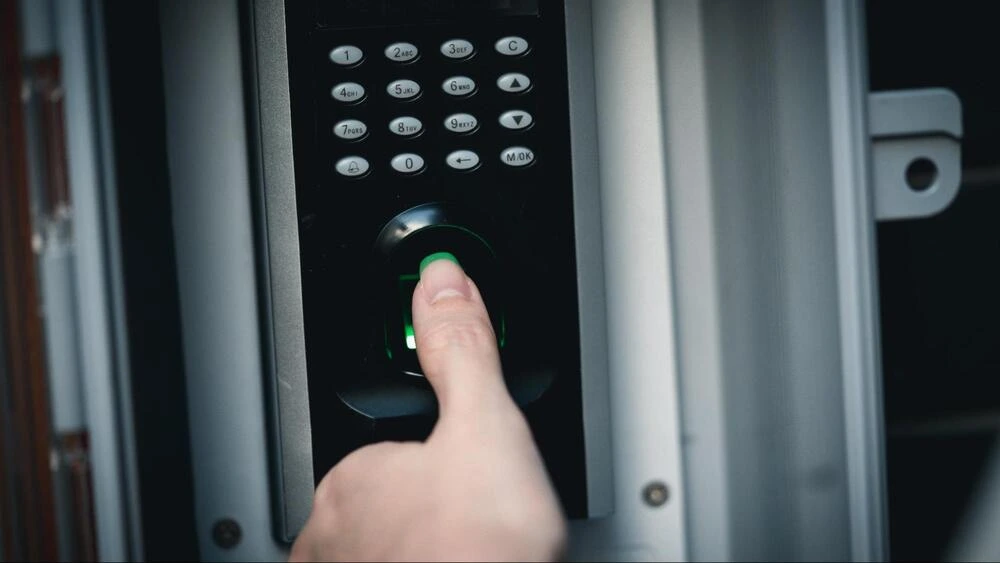
Troubleshooting and Long-Term Maintenance
One of the most practical advantages of professional network cabling services is the ease of maintaining the system over several years. In a disorganised setup, identifying a single faulty wire can be a time-consuming process that often results in more problems as other wires are accidentally disturbed. A structured system solves this through meticulous labelling and documentation.
Every data point and cable run is recorded in a site map, allowing IT teams or security technicians to go directly to the source of a problem. This clarity reduces the time and cost associated with repairs and ensures that business operations resume as quickly as possible. For companies that rely heavily on cloud-based tools and real-time monitoring, this reduced downtime is a significant financial benefit that far outweighs the initial cost of professional installation.
Compliance and Safety Standards in Singapore
Operating a commercial facility involves adhering to strict local regulations regarding electrical safety and building codes. Professional network cabling services ensure that all wiring is installed using fire-rated materials and proper trunking to protect against environmental damage and tampering. This is particularly important for security systems that must be integrated with the building’s fire alarm for emergency door release.
Failing to meet these standards can lead to insurance complications and safety hazards such as overheating or tripping. Experienced installers provide the necessary certifications and documentation for audits, giving business owners peace of mind that their infrastructure is not only efficient but also fully compliant with legal requirements. This adherence to standards also ensures that the installation does not interfere with other building services like HVAC or lighting.
Supporting Business Growth and Scalability
As technology evolves, the demands on a building's network will only increase. Whether a company is adding more staff, upgrading to high-resolution surveillance cameras, or adopting new automation devices, the existing infrastructure must be able to support these changes. A professionally designed system includes extra capacity and modular components, allowing for seamless upgrades without the need for extensive rewiring.
This forward-thinking approach protects your initial technology investment. Instead of tearing down walls or ceiling tiles to add a single new connection, technicians can simply plug into the existing infrastructure backbone. By building for tomorrow’s needs today, organisations ensure they can stay at the forefront of digital transformation without the recurring costs and disruptions of major infrastructure overhauls.
Final Considerations for Infrastructure Quality
Choosing to invest in professional network cabling services is a decision that affects every aspect of a modern business. While the physical cables are often hidden from view, their performance is felt in every transaction, every communication, and every security event. A high-quality installation provides the silent support needed for a business to focus on its core goals rather than being slowed down by technical glitches.
Ultimately, the goal is to create a resilient environment where technology serves the user. By working with experienced providers who understand the unique landscape of Singapore’s commercial sector, businesses can ensure their network is a dependable asset. From the server room to the furthest door, a professional cabling strategy is the foundation of a secure and connected workplace.
Read another Article: Professional Standards for Access Control System Installation
Posted February 23, 2026 04:35
February 17, 2026 03:17
Building Resilient Foundations with Structured Cabling Companies
The strength of a modern commercial security system is rarely found in a single device, such as a camera or a door sensor. Instead, it lies in the physical network that binds these components into a unified ecosystem. As businesses in Singapore move toward digital transformation, the reliance on high-quality data transmission has become a critical factor for operational success. For security systems that must operate without interruption, the quality of the underlying wiring is the determining factor in long-term reliability. This is where the technical expertise of structured cabling companies becomes vital. By replacing unorganised, point-to-point wiring with a standardised architecture, organisations can ensure that their security, communication, and data systems function as a high-performance framework.
Key Takeaways:
-
Standardised wiring provides a modular framework that supports diverse hardware and future technology upgrades.
-
Organised cable management significantly reduces the time required for system troubleshooting and repairs.
-
High-quality data paths prevent signal interference, ensuring that security credentials and video feeds transmit instantly.
-
Compliance with international cabling standards protects the business against data loss and potential hardware damage.
-
Expert installers provide detailed documentation and labelling, allowing for seamless facility management and scalability.
The Strategic Role of Standardised Infrastructure
Structured cabling refers to a comprehensive system of cabling and associated hardware that provides a complete telecommunications infrastructure. Unlike older methods of conventional wiring, where cables were run specifically for one device on an as-needed basis, a structured approach creates a flexible network that can support multiple services simultaneously. Professional structured cabling companies design these networks to handle everything from voice and high-speed data to security video and door management.
In a hi-tech hub like Singapore, this level of organisation is essential. A messy "spaghetti" of wires behind a server rack is not just a visual problem; it is a significant operational risk. Cables that are tangled or improperly supported can suffer from physical stress, leading to intermittent connectivity issues that are difficult to diagnose. By contrast, a structured system uses patches and trunks to keep every line secure and accessible, ensuring that the critical data required for building security always has a clear and stable path.
Enhancing Security Performance through Data Integrity
A security system is only as effective as its slowest component. When a staff member taps a card or presents a biometric credential, the reader must communicate with the controller, which then verifies the database before sending a signal to release the lock. If the network is plagued by interference or packet loss due to poor wiring, this process can lag or fail. This is particularly problematic in environments where security data must compete with high-bandwidth traffic like 4K video surveillance.

Top-tier structured cabling companies prioritise data integrity by using high-grade shielded cables and following strict installation protocols to avoid electromagnetic interference. This is important in commercial buildings where security cables often run alongside power lines and wireless routers. Professionals ensure that the data highway remains clear, allowing for the near-instantaneous response times required for a smooth user experience. Furthermore, this high-bandwidth foundation is necessary to support the high-definition video streams of modern CCTV systems, which are frequently integrated into the entry management network.
Simplifying Troubleshooting and System Maintenance
One of the greatest benefits of working with professional structured cabling companies is the ease of long-term maintenance. In an unorganised setup, identifying a faulty wire can take hours of manual tracing, often resulting in accidental disconnections of other vital services. A structured system eliminates this guesswork through meticulous labelling, colour-coding, and the use of centralised patch panels.
Every cable in a professional installation is documented in a site map, showing exactly where it starts, which path it takes, and which device it powers. If a specific door reader goes offline, a technician can go straight to the corresponding port in the patch panel to test the connection. This level of clarity reduces downtime and maintenance costs, ensuring that security gaps or system failures are rectified in the shortest possible timeframe. By centralising network elements, facility managers can maintain better oversight of the entire system.
Supporting Business Scalability and Future Growth
The needs of a business today will inevitably change over the next several years. Whether an organisation is expanding its office space, adding more sensitive zones, or upgrading to cloud-based security management, the physical infrastructure must be able to adapt. Structured cabling companies build systems with extra capacity that allows for the addition of new devices without the need to tear out existing walls or ceilings.
Because the system is modular, adding a new door controller or an additional camera is as simple as plugging into the existing network backbone. This future-proofing is a strategic financial move, as it prevents the need for expensive and invasive retrofitting projects in the future. By investing in a high-quality infrastructure from the start, businesses ensure that their security and IT systems can evolve alongside their operational requirements without compromising on performance or reliability.
Regulatory Compliance and Fire Safety Integration
In Singapore, the intersection of security and safety is governed by strict regulations, such as the Code of Practice for Internal Telecommunication Wiring. Professional structured cabling companies work closely with security installers to ensure that all wiring for electronic locks and alarms meets local safety standards. This includes using fire-rated cables and ensuring that the network can facilitate the automatic release of doors during a fire alarm trigger.
Adherence to these codes is not just about passing inspections; it is about life safety. A failure in the communication line during an emergency could prevent doors from unlocking, leading to dangerous situations for occupants. Professionals ensure that every cable run and every connection is tested for both performance and safety compliance. This comprehensive approach provides business owners with the assurance that their infrastructure is not only efficient but also fully legal and protective.
Final Considerations for Corporate Infrastructure
The decision to hire specialised structured cabling companies represents a commitment to quality and operational continuity. While the physical wires are hidden behind walls and above ceilings, their impact on the daily functionality of a business is profound. From the speed of internet access to the reliability of the door access system, everything depends on the integrity of the network backbone.
A professional installation provides more than just connectivity; it provides a platform for growth and a guarantee of security. By focusing on standardised designs, high-quality materials, and expert execution, businesses in Singapore can create a resilient environment where technology supports productivity. In the long run, the clarity and reliability offered by a structured system prove to be an invaluable asset for any commercial enterprise seeking to protect its assets and personnel.
Read another Article: Professional Standards for Access Control System Installation
Posted February 17, 2026 03:17
February 15, 2026 12:05
The Impact of Taekwondo Classes on Youth Development
In the competitive landscape of modern childhood, parents often find themselves navigating a sea of extracurricular options. While many activities focus purely on recreation, Taekwondo classes offer a more profound experience by integrating physical mastery with character development. In a city like Singapore, where students face high expectations from a young age, the martial arts school provides a unique sanctuary. Here, the focus is not just on the grade on a paper, but on the quality of a student's effort and their adherence to a code of ethics. This ancient discipline has been refined over centuries to produce individuals who are physically capable, mentally resilient, and socially responsible. By understanding how these sessions function, families can see the long-term value of a committed martial arts practice.
Key Takeaways:
-
Structured training helps children manage stress and build mental resilience.
-
Consistent practice improves physical literacy and cardiovascular endurance.
-
The formal environment of the dojang instils a deep sense of respect and etiquette.
-
Group sessions provide a safe platform for developing vital social and communication skills.
-
The progression through ranks teaches the relationship between hard work and success.
Developing Physical Literacy and Health through Movement
At the heart of Taekwondo classes is a rigorous physical curriculum that challenges the body in diverse ways. Unlike many modern exercises that focus on specific muscle groups, martial arts require total body engagement. Children learn to coordinate their upper and lower body movements, improving their proprioception and spatial awareness. This physical literacy is the foundation of a healthy life, as it gives children the confidence to participate in a wide range of sports and physical activities without fear of injury or embarrassment.
Regular attendance at these sessions also promotes long-term cardiovascular health. The combination of anaerobic drills and aerobic patterns ensures that students develop a strong heart and lungs. In an environment like Singapore, where sedentary indoor lifestyles are common, the high-energy nature of the training is a vital outlet. By making physical activity a fun and rewarding part of their weekly routine, children are more likely to carry these healthy habits into their teenage and adult years, reducing the risk of lifestyle-related health complications.
Cultivating Focus and Mental Clarity in a Busy World
The modern world is filled with distractions, from digital notifications to demanding school schedules. Taekwondo classes provide a structured environment where children are taught the art of focus. During the practice of patterns, or Poomsae, students must direct their entire attention to the precision of their movements and the timing of their breaths. This meditative aspect of the martial art helps to calm the mind and improve concentration. Over time, students find that this ability to focus translates directly to their schoolwork and other cognitive tasks.
This mental clarity is supported by the traditional etiquette of the martial arts school. The requirement to bow upon entering and leaving, and to address instructors with formal titles, creates a clear boundary between the chaos of the outside world and the discipline of the dojang. This ritualistic behaviour signals to the child that it is time to be present and attentive. By learning how to quiet the mind and listen to instructions, children develop a level of self-control that is rare in the modern age. This mental fortitude is one of the most significant advantages of a long-term commitment to the art.

Strengthening Character through Resilience and Goal Setting
One of the most valuable lessons taught in Taekwondo classes is the value of perseverance. The journey from a white belt to a black belt is long and filled with challenges. Students will inevitably encounter techniques that they cannot master immediately or grading exams that they find intimidating. These moments are not failures but opportunities for growth. Under the guidance of experienced instructors, children learn to view obstacles as puzzles to be solved through hard work and repeated effort.
The ranking system provides a tangible framework for this personal growth. Each new belt represents a specific milestone, giving children a clear sense of direction and purpose. This teaches them how to break down large, daunting goals into smaller, achievable steps. When a student finally achieves their next rank, the sense of accomplishment is profound because they know exactly how much work went into it. This understanding of the direct link between effort and reward is a fundamental life skill that will serve them well in their future careers and personal lives.
Promoting Social Harmony and Ethical Behaviour
While much of the training is individual, the social dynamic of the class is a key component of the experience. Taekwondo classes are diverse environments where children interact with peers from various backgrounds. The martial art emphasises five core tenets: courtesy, integrity, perseverance, self-control, and indomitable spirit. These principles guide every interaction within the school. Students learn to support their peers during difficult drills and to show respect to those who are more advanced, creating a culture of mutual upliftment rather than cut-throat competition.
This ethical framework is particularly important for developing empathy. In partner work and supervised sparring, students must learn to control their strength and look out for the safety of others. This teaches them that power must always be balanced with responsibility. The dojang becomes a safe space where children can practice conflict resolution and social navigation under the watchful eye of a mentor. These social skills are essential for building healthy relationships and for becoming a positive and contributing member of society.
Supporting the Family through Shared Values and Growth
The benefits of martial arts often extend beyond the individual student to the entire family unit. The values taught in Taekwondo classes, such as respect for elders and the importance of honesty, often mirror the values that parents are trying to instil at home. This creates a powerful synergy, where the martial arts instructor and the parent are working together to raise a well-rounded individual. Many families find that the discipline learned in the dojang leads to a more harmonious home environment, as children become more self-reliant and respectful.
Furthermore, the journey through the ranks can be a shared family experience. Watching a child overcome their fears and achieve their goals provides parents with a unique sense of pride and connection. The community of the martial arts school also offers a support network for parents, who can share their experiences and challenges with others who value the same developmental path. Ultimately, Taekwondo is more than just a series of classes; it is a holistic system of development that prepares children for the complexities of life, ensuring they have the strength, focus, and character to succeed.
Read another Article: Benefits of Taekwondo for Kids Singapore Programmes
Posted February 15, 2026 12:05
July 28, 2025 12:58
Empower Your Destiny with Feng Shui Solutions in Singapore
Singapore’s vibrant cityscape, where modern architecture merges with ancient cultural traditions, provides an unparalleled setting for Feng Shui to shape your home and workplace for personal growth and long-term success. Challenges such as career plateaus, unclear goals, or emotional unrest often arise from energy imbalances that disrupt the natural flow of chi, stalling your personal development. By embracing feng shui services in Singapore before the 2026 energy shift, you can reconfigure your spaces to ignite ambition, clarity, and achievement, paving the way for a transformative future.

1. Discovering Feng Shui Services in Singapore
Singapore’s rich cultural tapestry establishes it as a leading hub for feng shui Singapore, delivering bespoke solutions to foster personal growth in residential and professional environments. Services like personalized house feng shui consultation by Siiri Geomancy and Office Feng Shui Singapore optimize chi to enhance motivation and focus, addressing urban constraints such as limited space or high humidity. These tailored adjustments create spaces that nurture your aspirations within Singapore’s dynamic landscape.
A feng shui consultation Singapore harmonizes ancient wisdom with modern strategies to craft environments that inspire self-improvement. For example, a feng shui for house Singapore consultation might reorganize your home office to spark creativity, while a Feng Shui Office Layout Singapore streamlines workplace efficiency through strategic spatial planning. These services ensure your spaces align with your ambitions, fostering a foundation for growth.
Online feng shui services in Singapore provide accessible solutions for busy residents, incorporating bazi reading to align your environment with your unique energy profile. This personalized approach ensures your home or office supports your journey toward self-discovery, positioning feng shui services in Singapore as a premier destination for transformative solutions that empower your destiny.
2. Cultivating Growth with House Feng Shui Consultation
A house feng shui consultation reimagines your home as a catalyst for personal growth by meticulously analyzing its layout, decor, and external influences, such as neighboring skyscrapers or busy roads. Adjustments like repositioning your desk to face a window or incorporating vibrant wall art can significantly enhance motivation and mental clarity. In Singapore’s compact HDB flats or condominiums, residential feng shui services optimize limited space to create environments that nurture personal evolution and success.
House feng shui Singapore addresses common issues like cluttered living spaces or poor lighting, which block chi and contribute to feelings of stagnation or lack of purpose. For instance, a disorganized study area might stifle creativity, while a dimly lit bedroom could drain inspiration and energy, hindering your progress. These consultations ensure your home becomes a powerful sanctuary for growth, tailored to Singapore’s urban lifestyle.
To prepare for a feng shui consultation Singapore, declutter your space and identify areas linked to lack of direction, such as a chaotic workspace or a corner that feels uninspiring. Sharing these insights during your house feng shui consultation enables practitioners to deliver precise, actionable recommendations, transforming your home into a vibrant hub of motivation and personal development that supports your long-term goals.
3. Advancing Career Success with Office Feng Shui Singapore
Office Feng Shui Singapore services elevate workplaces by fostering motivation and productivity, essential for thriving in Singapore’s fast-paced, competitive business environment. Strategic adjustments, such as aligning desks to the “command position” or enhancing natural light, minimize distractions and sharpen focus. Feng shui for office Singapore is critical for businesses aiming to achieve their objectives and drive measurable success.
A balanced office environment promotes employee well-being by eliminating clutter and introducing elements like air-purifying plants or subtle water features to inspire creativity and focus. These changes reduce workplace stress and enhance team morale, creating a supportive atmosphere for professional growth. Feng Shui Office Layout Singapore empowers businesses to unlock employee potential and achieve organizational goals.
Incorporating dynamic decor, such as bold colors like yellow or orange in conference rooms, fosters an inspiring workspace that drives innovation and achievement. By aligning your office with feng shui services in Singapore, you create environments that enhance career success and personal growth, making it a strategic investment for businesses seeking to excel in a competitive market.
4. Unlocking Geomancy Bazi for Personal Development
Geomancy bazi, also known as ba zi geomancy, maps your destiny using your birth date and time, revealing strengths and opportunities for personal growth. In Singapore, this practice complements feng shui for the house by aligning your environment with your unique energy profile to enhance clarity and ambition. A bazi reading offers a personalized blueprint for self-improvement, tailored to your life’s path.
For example, a bazi reading might indicate a need for metal energy, prompting recommendations for metallic decor or structured furniture layouts to boost focus and discipline in your home or office. This synergy between geomancy bazi and feng shui Singapore ensures your space supports your growth objectives, delivering precise and impactful results for personal evolution.
By integrating ba zi geomancy with feng shui services in Singapore, practitioners create a holistic approach to self-discovery. This powerful combination ensures your home or office fosters clarity, motivation, and long-term success, aligning your environment with your aspirations for a fulfilling and prosperous future.
5. Why Act Before 2026 for Your Future?
Feng Shui operates in 20-year cycles, with Period 8 ending and Period 9 beginning in 2024, ushering in new energy patterns by 2026 that could profoundly influence personal growth and success. A feng shui consultation Singapore now prepares your home or office to harness these shifts, ensuring alignment with opportunities for clarity, achievement, and self-improvement in the new cycle.
Period 9’s Fire element emphasizes transformation and dynamic energy but may trigger stress or confusion if left unbalanced, potentially derailing your ambitions. House feng shui Singapore experts recommend incorporating cooling elements, such as blue decor or water features, to balance this energy and support personal growth in your home or workplace, creating an environment conducive to success.
Schedule a house feng shui consultation or feng shui for office Singapore service as soon as possible to implement strategic changes before 2026. Online feng shui services in Singapore ensure your spaces are optimized to promote clarity, success, and personal growth, securing a thriving and fulfilling future in the new energy cycle.
Posted July 28, 2025 12:58
July 26, 2025 07:39
Join a Taekwondo Class in the Singapore Community!
Singapore’s vibrant martial arts scene offers accessible Taekwondo classes that foster community and growth for all ages. OP Academy stands out with its welcoming Taekwondo class Singapore programs at Yishun Sunshine, Linear Green at Bedok, and Marine Drive Gardens, featuring Taekwondo for kids Singapore and martial arts for adults. This martial arts school creates a supportive environment where kids in martial arts and self defense class Singapore build connections through a bully proof curriculum. Explore how top schools, led by OP Academy, create thriving communities with Taekwondo classes.

1. OP Academy: A Community Hub
OP Academy is a leading martial arts school renowned for its accessible Taekwondo classes at Yishun Sunshine (Blk 259 Yishun Street 22), Linear Green at Bedok, and Marine Drive Gardens. Their Taekwondo for kids Singapore program uses engaging group drills to teach discipline and teamwork, creating a community-focused space for young learners. The academy’s modern facilities ensure a safe, inclusive environment, making it home to top-rated Taekwondo for kids in Singapore by OP Academy.
The bully proof curriculum helps children build confidence and connections, using role-playing to address social challenges. A student named Chloe, aged 8, formed lasting friendships at Yishun Sunshine, while her mother joined adult self defence classes, feeling part of a supportive community. This focus on community makes OP Academy a top choice for kids martial arts.
With experienced instructors and flexible scheduling, OP Academy ensures every Taekwondo class Singapore fosters growth and belonging. The academy’s emphasis on accessibility and community creates a vibrant space for learners. Contact OP Academy at +65 91066242 to explore their Taekwondo classes and join their thriving community.
2. J H Kim Taekwondo: Traditional Bonds
J H Kim Taekwondo Institute, located at Bukit Timah (9 Binjai Park) and Toh Tuck (19 Lorong Kilat), is celebrated for its traditional Taekwondo classes that foster community. Their Taekwondo for kids Singapore program emphasizes discipline and respect, helping children build connections through structured training. The supportive environment is ideal for kids martial arts.
For adults, J H Kim offers self defense class Singapore programs, including martial arts for adults and self defence classes for seniors. Chloe’s mother, who joined adult self defence at Bukit Timah, noted how the classes created a sense of belonging, complementing Chloe’s growth in martial arts for kids Singapore. The institute’s traditional approach strengthens community ties.
J H Kim’s reputation for quality instruction creates a welcoming setting for all learners. Their programs foster resilience and camaraderie, making them a top choice for Taekwondo class Singapore. Contact them at +65 91738103 to discover how their classes can connect your family.
3. Gaonhae Taekwondo: Community for All
Gaonhae Taekwondo, led by headmaster Kang, offers dynamic Taekwondo classes at Bukit Timah (271 Bukit Timah Road) and Jurong West (Blk 960 Jurong West Street 92). Their Taekwondo for kids Singapore program focuses on teamwork and confidence, using engaging activities to build community. This approach makes kids martial arts accessible and unifying.
The bully proof training helps children like Chloe navigate peer conflicts while forming bonds, using techniques taught in group scenarios. For adults, Gaonhae’s adult self defence and self defence classes for seniors emphasize practical skills and community, fostering connections. This focus makes Gaonhae a leading martial arts school.
With multiple branches and skilled instructors, Gaonhae ensures accessibility and quality for all learners. Their programs promote teamwork and growth, ideal for martial arts for kids Singapore. Contact Gaonhae at +65 96706488 to explore their Taekwondo class Singapore and join a vibrant community.
4. Kickmatics: Family Community Focus
Kickmatics Taekwondo, located at Punggol (Blk 407 Northshore Drive) and Serangoon Garden (68A Serangoon Garden Way), specializes in family-oriented Taekwondo classes. Their Taekwondo for kids Singapore program focuses on character development and community, using playful exercises to engage young learners. This approach builds connections in kids martial arts.
For adults, Kickmatics offers self defense class Singapore programs that provide practical techniques in a supportive environment, including martial arts for adults. Chloe’s mother, who joined adult self defence at Punggol, appreciated the community-focused setting, complementing Chloe’s growth in kids martial arts. The school’s family-centric focus fosters bonding and belonging.
Kickmatics’ modern facilities and flexible scheduling make it ideal for busy Singapore families. Their emphasis on community and safety ensures a positive experience for all. Contact them at +65 93883934 to discover how their Taekwondo class Singapore can connect your family.
Choosing a Community-Oriented School
Selecting the right Taekwondo class Singapore involves evaluating instructors, location, and community focus. Qualified instructors at schools like OP Academy provide tailored guidance, essential for effective kids martial arts and adult self defence training. Proximity, such as Yishun Sunshine, Linear Green at Bedok, or Marine Drive Gardens, supports consistent attendance and community engagement.
A focus on community and safety is crucial for a rewarding experience. OP Academy’s bully proof curriculum and modern facilities at Yishun Sunshine create an ideal environment for connection, as seen with Chloe’s new friendships. This martial arts school prioritizes holistic growth for all ages.
Ready to join a Taekwondo class Singapore community? OP Academy offers tailored programs at Yishun Sunshine, Linear Green at Bedok, and Marine Drive Gardens. Contact them at +65 91066242 for a free trial and experience how Taekwondo for kids Singapore and self defence classes for seniors can build connections for your family.
Posted July 26, 2025 07:39
July 24, 2025 21:32
After-Hours Dental Care for West Coast
A dentist near West Coast offering evening services ensures Singapore residents can access dental care without conflicting with their work schedules. Ginza Dental, a Clementi Dental Clinic, provides flexible appointments for routine and specialized treatments after hours. This article explores the benefits of evening dental care, available services, cost planning, what to expect during visits, and how to choose a dentist near me for convenient after-hours care.
1. Managing Dental Care with Work Demands
A dentist at Clementi with evening hours helps residents manage oral health without taking time off work, reducing disruptions to their daily routines. Singapore’s fast-paced work culture often makes daytime dental visits challenging, leading to delayed care that can worsen dental issues. Evening appointments allow individuals to schedule teeth scaling and polishing after office hours, ensuring timely care for routine and urgent needs.
A dentist around Clementi offers accessibility for professionals facing long workdays or commuting challenges in Singapore’s bustling environment. This flexibility ensures families can arrange evening appointments, maintaining consistent oral health without logistical hurdles. Clinics like Ginza Dental understand the needs of busy communities, providing tailored solutions for after-hours dental care.

A dentist near me supports residents by offering convenient access to care, allowing them to address dental concerns promptly without conflicts with their workday. This accessibility prevents minor issues, such as cavities or gum disease, from escalating into complex conditions that require extensive treatment. Evening services integrate dental care seamlessly into busy lifestyles, promoting healthier smiles across Singapore, including routine exams with a dentist at Clementi from Ginza Dental Surgery.
2. Evening Dental Treatment Availability
A dentist near Clementi provides a range of treatments during evening hours, including teeth scaling and polishing, which falls under the teeth cleaning cost in Singapore of SGD 100 to SGD 200. These services remove plaque and tartar buildup, preventing cavities and gum disease for patients of all ages. Evening availability ensures professionals can access routine care without interrupting their work commitments.
Children benefit from preventive treatments like fluoride applications and dental sealants, fostering healthy dental habits early on. Adults may need fillings, costing SGD 80 to SGD 250 per tooth, or cosmetic treatments like teeth whitening. An endodontist in Singapore offers root canals in the evening, with the dental cost in Singapore for such procedures ranging from SGD 500 to SGD 1,500, depending on complexity.
For urgent needs, a Clementi Dental Clinic provides services like wisdom tooth extractions, with the wisdom tooth extraction cost in Singapore ranging from SGD 150 to SGD 1,200, based on surgical requirements. Emergency treatments for broken teeth are also available, ensuring comprehensive care after standard hours for residents with demanding schedules.
3. Budgeting for Evening Dental Care
Understanding the dental cost in Singapore helps residents budget effectively for after-hours dental care without financial strain. Routine appointments, including teeth cleaning cost Singapore, typically cost SGD 50 to SGD 150, depending on the clinic’s facilities and expertise. These affordable preventive measures help avoid costly treatments by addressing dental issues early, supporting long-term savings.
Specialized procedures, such as root canals performed by an endodontist in Singapore, range from SGD 500 to SGD 1,500, influenced by factors like tooth position and diagnostics. The wisdom tooth extraction cost in Singapore ranges from SGD 150 to SGD 1,200, varying based on impaction or sedation needs, ensuring evening clinics remain accessible.
Comparing dental clinic Singapore price options helps identify affordable care. Many clinics, including Ginza Dental, offer payment plans or accept insurance, making treatments like teeth scaling and polishing or emergency repairs manageable. Staying informed about dentist Singapore price ranges allows residents to prioritize oral health while managing financial constraints.
4. Expectations for Evening Dental Visits
Visiting a dentist around Clementi in the evening involves thorough assessments to identify dental issues before they escalate. Routine appointments include teeth scaling and polishing, with the teeth cleaning cost in Singapore ranging from SGD 50 to SGD 150, ensuring clean teeth and healthy gums. These services are tailored to fit after-work schedules, accommodating busy professionals.
An endodontist in Singapore performs root canals during evening hours, using advanced tools to numb the area and seal the tooth, prioritizing patient comfort. Emergency treatments for broken teeth, such as bonding or crowns, restore function and aesthetics efficiently for patients seeking care after regular hours, ensuring seamless care delivery.
Wisdom tooth extractions, managed by a dentist at Clementi, are completed with minimal discomfort, using modern equipment like digital imaging. Evening clinics maintain a welcoming environment, ensuring patients feel relaxed during late appointments, whether for routine care or complex treatments, providing comprehensive care at Ginza Dental.
5. Selecting an Evening Dental Provider
Selecting a dentist near me with evening hours requires verifying the dentist’s credentials with the Singapore Dental Council to ensure professional standards. Clinics offering a range of services, from teeth scaling and polishing to specialized treatments like root canals, provide convenience for after-hours care. Accessibility is crucial for residents seeking reliable dental services.
Patient reviews offer insights into a clinic’s reliability, while modern facilities indicate quality care. A dentist near West Coast or a dentist near Clementi ensures convenient access, supporting regular visits for preventive and emergency needs, making it easier for residents to maintain oral health without disrupting work.
Comparing dental clinic Singapore prices for procedures like wisdom tooth extraction cost Singapore or teeth cleaning cost Singapore helps identify cost-effective options. A local clinic’s evening availability and affordability, such as at Ginza Dental, support consistent dental care, ensuring residents prioritize oral health without barriers, promoting healthy smiles across Singapore.
Posted July 24, 2025 21:32
July 21, 2025 21:32
Tinnitus Care with ENT Doctor Singapore
1. Tinnitus in Singapore’s Urban Setting
Tinnitus, defined by persistent ringing, buzzing, or whistling sounds in the ears, significantly disrupts daily life in Singapore’s fast-paced urban environment, where constant noise from city activities can amplify its impact. An ENT specialist in Singapore conducts thorough evaluations to assess these phantom noises, which may include humming, clicking, or musical tones, affecting concentration, work performance, and emotional well-being. Novena ENT offers tailored consultations, focusing on practical solutions to manage tinnitus, enabling patients to maintain their busy schedules in a demanding cityscape.
In quiet environments, such as during sleep or moments of relaxation, tinnitus becomes more pronounced, often leading to sleep disturbances that reduce productivity, mental clarity, and overall quality of life. Symptoms like hearing loss Singapore or giddiness may accompany tinnitus, indicating potential inner ear or vestibular dysfunction that requires careful investigation. Consulting an ear nose throat specialist in Singapore promptly allows for early identification of underlying causes, such as ear infections or structural issues, minimizing disruptions to work, family responsibilities, and social engagements in a dynamic urban context.
Ent clinic Singapore facilities employ advanced diagnostic tools, including audiometry tests, to evaluate tinnitus severity and its effects on daily routines, considering urban stressors like noise pollution or demanding schedules. These comprehensive assessments lead to personalized treatment plans that address individual symptoms, tailored to the patient’s lifestyle and specific needs. Novena ENT’s patient-centered approach ensures residents receive effective tinnitus management strategies, helping them maintain focus, balance, and well-being in their demanding urban environment.
2. ENT Evaluations for Tinnitus Relief
An initial consultation with an ENT doctor in Singapore begins with a detailed medical history review, followed by a meticulous examination of the ears, nose, and throat to identify potential tinnitus triggers specific to each patient’s condition. Specialists assess for common issues like excessive earwax buildup, ear infections, or anatomical abnormalities that may contribute to the perception of phantom sounds. Novena ENT’s thorough evaluations, conducted in a professional and supportive setting, ensure accurate diagnoses, providing a foundation for effective treatment plans tailored to urban patients seeking lasting relief.
Audiometry test Singapore measures auditory function across a range of frequencies and volumes, helping to determine if hearing loss Singapore is associated with tinnitus symptoms, which is critical for developing targeted treatment strategies. These tests provide detailed data to inform customized plans, ensuring effective management of tinnitus and related auditory challenges in a busy urban setting. Additional diagnostics, such as balance assessments for giddiness, are often recommended to evaluate vestibular function, offering a comprehensive understanding of the patient’s condition and supporting a holistic approach to care at Novena ENT.
A nose specialist in Singapore evaluates related conditions, such as chronic sinusitis or nasal obstructions, which may exacerbate tinnitus by altering pressure in the head or ears, a common issue in urban environments with high pollution levels. By integrating findings from multiple diagnostic modalities, ENT specialists develop targeted treatment plans that address both primary and secondary contributors to tinnitus. Novena ENT’s streamlined diagnostic process, designed for efficiency and clarity, supports patients in navigating tinnitus management in Singapore’s bustling urban landscape.
3. Tinnitus Management for All Patients
Ent clinic Singapore facilities offer a range of customized strategies to manage tinnitus, including specialized children's ENT care for younger patients experiencing these disruptive phantom sounds. Sound therapy, which employs external sounds like white noise or ambient tones to mask tinnitus, is particularly effective for individuals with hearing loss in Singapore, helping to reduce the perception of persistent noises. Novena ENT provides advanced devices, such as hearing aids or sound generators, to support patients in maintaining their daily routines, whether at school, work, or home, in a busy urban environment.
Tinnitus retraining therapy, combining sound therapy with structured counseling, helps patients, including those under child ear nose throat specialist care, adapt to tinnitus by retraining the brain to focus less on phantom sounds. This approach improves sleep quality, concentration, and emotional well-being, addressing challenges that can affect academic performance or professional responsibilities. An ear specialist in Singapore customizes these therapies to suit individual symptoms, ensuring effective relief and enhancing quality of life across all age groups in Singapore’s dynamic city setting.
Collaboration with a throat specialist in Singapore may address related conditions, such as throat discomfort or swallowing difficulties, which can influence tinnitus perception in some cases, particularly in complex cases involving multiple symptoms. These professionals work together to create holistic treatment plans that integrate multiple aspects of ENT care, ensuring comprehensive support for diverse patients. Novena ENT’s integrated services, designed to minimize disruptions, help patients manage tinnitus effectively while navigating their active urban lifestyles.
4. Advanced Tinnitus Treatment Options
For patients with severe tinnitus linked to profound hearing loss, cochlear implant Singapore procedures offer a viable solution by bypassing damaged inner ear structures to restore auditory function and reduce tinnitus intensity. These sophisticated devices stimulate the auditory nerve directly, often significantly alleviating the perception of phantom sounds. An ear specialist Singapore at Novena ENT conducts thorough assessments to determine candidacy, provides preoperative counseling, and supports patients through the recovery process, ensuring a treatment plan tailored to individual needs.

Cochlear implants work by converting sound into electrical signals, enabling the brain to interpret auditory input and often masking tinnitus effectively, improving overall hearing clarity for patients. This intervention is particularly beneficial for those who have not found relief through conventional methods, including patients evaluated by a thyroid doctor in Singapore for related systemic conditions that may contribute to tinnitus. Novena ENT’s expertise in cochlear implant Singapore procedures ensures high-quality care, enhancing outcomes for patients managing severe tinnitus in Singapore’s urban context, and you can also seek a Novena ENT head and neck specialist for diagnosis of complex conditions.
A thyroid specialist in Singapore may evaluate thyroid-related conditions, such as hormonal imbalances or metabolic issues, that could contribute to tinnitus in some patients, providing a broader perspective on potential underlying causes. By addressing these systemic factors, ENT specialists develop comprehensive treatment plans that improve overall health and reduce tinnitus severity. Novena ENT’s specialized care approach supports patients in managing severe tinnitus, helping them maintain their quality of life amidst the demands of a fast-paced city environment.
5. Choosing Comprehensive ENT Services
Choosing an ear nose throat specialist in Singapore requires evaluating expertise in managing tinnitus and related conditions, such as giddiness or hearing loss, which can significantly impact daily life in an urban setting. Clinics equipped with advanced diagnostic tools, like those used by a sinus specialist in Singapore, ensure accurate assessments of conditions such as chronic sinusitis that may influence tinnitus symptoms. Novena ENT’s comprehensive services, including head and neck specialist Singapore care, streamline tinnitus management, offering tailored solutions for Singapore’s urban residents seeking effective care.
Patients benefit from facilities where ENT doctors Singapore professionals collaborate to address complex cases, including specialized children's ENT needs for younger patients with tinnitus or related symptoms. These collaborative environments support precise treatment planning, from non-invasive sound therapy to advanced cochlear implant Singapore procedures, ensuring care is customized to individual needs. Novena ENT’s integration of expertise and technology enhances care quality, helping patients navigate tinnitus challenges with confidence in a fast-paced urban setting.
Ent clinic Singapore facilities like Novena ENT combine diagnostics, treatment, and follow-up care under one roof, simplifying healthcare experiences for busy residents with diverse needs. This model, which supports head and neck specialist Singapore services, reflects Singapore’s commitment to accessible, high-quality healthcare tailored to urban lifestyles. Novena ENT ensures patients, from children to adults, manage tinnitus effectively, maintaining their focus, productivity, and well-being in a demanding city environment.
Posted July 21, 2025 21:32
 RSS Feed
Recent Blog Entries
- Mastering Your Access Control System Installation
- Strategic Logistics: A Guide to Road Freight Efficiency
- Ultherapy Prime: The Future of Non-Surgical Facial Lifting
- Effective Building Entry And Data Management Guide
- Emergency Dental Care and Oral Health Solutions
Tags
Archive
- May 2026
- April 2026
- March 2026
- February 2026
- August 2025
- July 2025
- June 2025
- May 2025
- April 2025
- March 2025
- February 2025
- January 2025
- December 2024
- November 2024
- October 2024
- September 2024
- August 2024
- July 2024
- June 2024
- May 2024
- April 2024
- March 2024
- February 2024
- January 2024
- December 2023
- November 2023
- October 2023
- September 2023
- August 2023
- July 2023
- June 2023
- May 2023
- April 2023
- March 2023
- February 2023
- January 2023
- December 2022
- November 2022
- October 2022
- September 2022
- August 2022
- July 2022
- June 2022
- May 2022
- April 2022
- March 2022
- February 2022
- January 2022
- December 2021
- November 2021
- October 2021