Strategies for Regional Container Freight
The logistics landscape connecting major hubs in Southeast Asia has undergone a significant shift towards digital integration and physical infrastructure expansion. For businesses operating in this space during 2026, the priority is to maintain a fluid movement of goods across borders while managing the complexities of customs and transport scheduling. This article examines the various elements that contribute to a successful regional distribution model, from the initial loading phase to final delivery. By focusing on precision and transparency, organisations can ensure that their supply chains remain resilient in the face of changing trade patterns. Understanding these dynamics is essential for any firm looking to establish a reliable presence in the regional market and maintain a steady flow of inventory.
Key Takeaways:
-
Land transport offers a practical balance between cost and delivery speed.
-
Digital customs platforms are now essential for reducing border transit times.
-
Real-time tracking provides necessary visibility for high-value container loads.
-
Choosing between dedicated and shared loads impacts inventory flexibility.
- Sustainable transport practices are becoming a standard corporate requirement.
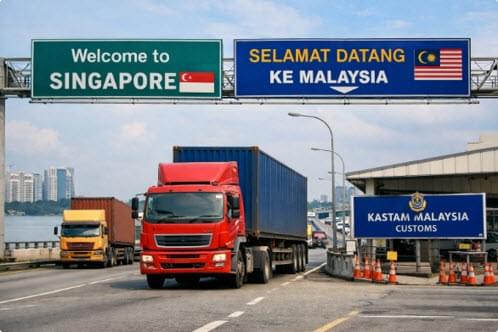
Selecting a Container Trucking Company in Singapore
When a business decides to expand its regional reach, identifying a reliable container trucking company in Singapore becomes a fundamental step in the procurement process. The ideal partner should possess a modern fleet of prime movers and trailers capable of handling various container specifications, including standard twenty-foot and forty-foot units. It is important to evaluate a provider based on their operational history and their ability to navigate the specific regulatory requirements of the cross-border corridor. A provider that offers integrated digital booking and tracking systems allows for a more transparent relationship, ensuring that the shipper is always informed about the status of their goods.
Furthermore, the geographical expertise of the transport provider plays a significant role in avoiding common logistical bottlenecks. A company with deep local knowledge can suggest optimal departure times to avoid peak congestion at major causeways and checkpoints. This proactive approach to route planning is vital for maintaining the strict delivery windows required by modern manufacturing and retail sectors. By establishing a partnership with an experienced logistics firm, businesses can outsource the complexities of transport management and focus on their core commercial activities. This collaboration creates a more stable foundation for long-term growth and ensures that the physical movement of inventory is handled with professional care.
The Role of Land Transport in Regional Logistics
Land-based logistics serves as the primary connection for trade between major maritime ports and inland industrial zones. While air freight is often utilised for urgent or highly perishable items, road haulage remains the most practical solution for the bulk of regional commerce. Moving goods directly from a warehouse to a factory reduces the number of handling points, which in turn lowers the risk of transit damage. This directness is a key advantage for companies that operate on a just-in-time production model, where even minor delays can cause significant disruptions to the assembly line. The proximity of regional markets makes trucking a highly competitive option for maintaining a lean and responsive supply chain.
Recent infrastructure improvements, such as the development of dedicated economic zones, have further enhanced the efficiency of land routes. These zones offer streamlined customs procedures and improved road networks that facilitate a faster flow of commercial vehicles. For logistics managers, the focus has shifted towards utilising these corridors to achieve more predictable transit times and lower operational costs. By prioritising road transport, organisations can achieve a level of flexibility that is often difficult to match with sea or air freight. This reliance on land-based solutions continues to drive economic integration across the region, supporting a diverse range of industrial and commercial activities.
Financial Efficiency and Cost Management
Managing the costs associated with regional distribution requires a comprehensive understanding of both fixed and variable expenses. Road freight typically offers a more predictable pricing structure compared to the volatile nature of international shipping or aviation. By utilising flat-rate haulage fees, procurement teams can create more accurate budgets and avoid the unexpected surcharges often found in other modes of transport. This financial predictability is particularly beneficial for businesses that move high volumes of goods regularly, as it allows for better long-term planning and more stable pricing for their customers.
In addition to direct transport costs, road haulage offers indirect savings through reduced packaging requirements. Containers provide a secure and weather-proof environment for goods, allowing companies to use standard industrial packaging instead of the lightweight, expensive materials required for air freight. The door-to-door nature of trucking also eliminates the need for multiple last-mile delivery services, further consolidating the total landed cost of the inventory. When these factors are considered as a whole, land-based logistics emerges as a financially sustainable choice for businesses looking to optimise their regional distribution networks. By focusing on these efficiencies, companies can maintain a competitive edge in a price-sensitive market.
Navigating Digital Customs Compliance
The transition towards paperless trade has significantly altered how goods move across international borders. Digital permits and electronic declarations are now the standard for all commercial shipments, requiring a high level of accuracy from the shipper. Navigating these systems involves a thorough understanding of the specific regulations in both the country of origin and the destination. Any errors in the Harmonised System codes or the valuation of the goods can lead to inspections and delays at the border, which can quickly escalate into additional costs and missed delivery windows. For this reason, maintaining precise digital records is a critical component of modern logistics management.
Many businesses now utilise the services of logistics providers who are certified in security and compliance programmes. These certifications indicate that the provider meets rigorous international standards, which often leads to faster clearance and fewer physical checks at the checkpoint. By integrating their internal systems with digital trade platforms, shippers can ensure that all necessary documentation is verified before the vehicle even begins its journey. This proactive stance on compliance is one of the most effective ways to manage the risks associated with border congestion and administrative friction. As digital systems continue to evolve, the ability to maintain a clean compliance record will remain a vital asset for any firm engaged in cross-border trade.
Dedicated versus Shared Load Strategies
Selecting the most appropriate transport method depends on the specific volume and urgency of the shipment. Full truckload services are the preferred option for large-scale deliveries or high-value goods that require a dedicated vehicle from start to finish. This method ensures that the container remains sealed and untouched throughout the transit, providing the highest level of security and the fastest possible transit time. For industries such as electronics or pharmaceuticals, the dedicated nature of this service is essential for protecting the integrity of the products and meeting the expectations of the end-user. This approach allows for a direct and uninterrupted flow of goods from the warehouse to the destination.
Conversely, shared load services offer a more flexible solution for businesses that move smaller volumes or require more frequent dispatches. By sharing the space on a trailer with other shippers, companies can reduce their transport costs while still benefiting from regular delivery schedules. This method is particularly useful for retail and e-commerce businesses that need to maintain lower inventory levels and respond quickly to consumer demand. While the transit time for shared loads may be slightly longer due to the consolidation and deconsolidation process, the cost savings often make it a viable strategy for smaller enterprises. Choosing the right balance between these two options is a key part of an efficient logistics strategy.
Advancements in Cargo Tracking and Visibility
Transparency in the supply chain has moved from being a luxury to a non-negotiable requirement for modern businesses. Today, container shipments are supported by advanced telematics and Internet of Things sensors that provide real-time data on location and transit status. This visibility allows logistics managers to monitor the progress of a delivery and proactively address any issues that may arise during the journey. For the customer, this information provides peace of mind and allows for more precise planning of their own operations. The ability to provide an exact arrival time based on live tracking data is a powerful tool for building trust and ensuring a positive service experience.
This data-driven approach also provides valuable insights for long-term supply chain optimisation. By analysing historical transit data, businesses can identify recurring bottlenecks and evaluate the performance of different routes and providers. This allows for more informed decision-making when it comes to refining delivery schedules and selecting logistics partners. In a competitive market, the integration of tracking technology is an essential step for any company looking to modernise its distribution network. As these systems become more sophisticated, the focus will likely shift towards using predictive analytics to anticipate potential disruptions before they occur. This level of oversight ensures that the logistics process remains transparent and accountable at every stage.
Environmental Responsibility in Road Freight
Sustainability has become a significant priority for corporate logistics, with many firms now required to report on their carbon footprint and environmental impact. Road transport is adapting to these requirements through the deployment of more fuel-efficient vehicles and the use of route-optimisation software that reduces the total distance travelled. Many transport operators are also exploring the use of alternative fuels and electric prime movers for regional routes, which helps to lower the overall emissions of the supply chain. These initiatives are not only beneficial for the environment but also help organisations meet their own corporate social responsibility goals.
Efficiency and sustainability often go hand in hand, as reducing waste and improving vehicle utilisation leads to both lower costs and lower emissions. By improving load factors and ensuring that trucks do not return empty, logistics providers can achieve a more sustainable and profitable operation. The shift towards greener logistics is also driven by consumer demand, as more people choose to support brands that demonstrate a commitment to environmental protection. For businesses, adopting sustainable logistics practices is a forward-thinking strategy that aligns with long-term economic and environmental trends. By choosing a partner that invests in green technology, companies can future-proof their operations and contribute to a more sustainable regional economy.
Impact of Special Economic Zones on Distribution
The establishment of designated economic zones near international borders has fundamentally altered the regional logistics landscape. These zones are designed to encourage trade by offering streamlined administrative processes and dedicated infrastructure for commercial vehicles. By providing a more predictable and efficient environment for border crossings, these zones help to reduce the uncertainty that can often plague regional transport. For businesses, this means that they can plan their delivery schedules with a higher degree of confidence, knowing that their vehicles will not be subject to unexpected delays. This predictability is vital for maintaining the flow of materials to manufacturing hubs and retail centres.
Furthermore, these zones often feature advanced warehousing and distribution facilities that are specifically designed to handle cross-border trade. This concentration of logistics resources creates a hub effect, where a variety of related services are readily available in a single location. This integration reduces the time and effort required to manage complex logistics operations, allowing companies to scale their regional presence more effectively. By locating their distribution centres within or near these zones, businesses can take full advantage of the improved infrastructure and regulatory environment. This strategic positioning is an important factor in building a resilient and efficient regional supply chain that can adapt to the needs of a growing market.
Improving Warehouse and Fleet Integration
The interface between the warehouse and the transport fleet is a critical point where efficiency can be significantly improved. Streamlining the loading process through better scheduling and the use of modern handling equipment can reduce the time a vehicle spends at the dock, allowing it to return to the road more quickly. This integration ensures that the transport fleet is used to its full capacity and that the warehouse operates at peak efficiency. For companies in busy industrial hubs, maintaining a fluid movement of containers is essential for preventing congestion and ensuring that orders are dispatched on time.
Effective communication between warehouse staff and transport dispatchers is the key to ensuring that vehicles are ready to depart as soon as the cargo is prepared. Digital management systems that provide real-time updates on inventory levels and vehicle availability allow for more precise planning and coordination. This level of integration reduces the likelihood of errors and ensures that the right goods are loaded onto the right vehicle at the right time. By focusing on the seamless transition of goods from storage to transport, businesses can improve the overall throughput of their logistics operations. This operational harmony is a vital component of a successful regional distribution strategy, ensuring that the supply chain remains lean and responsive to customer needs.
Future Outlook for Regional Container Haulage
Looking ahead, the continued integration of technology and infrastructure will continue to shape the future of regional container haulage. The expansion of automated trade platforms and the harmonisation of customs regulations across the region will create a more seamless environment for international commerce. For logistics professionals, staying informed about these trends is essential for adapting their strategies to take advantage of new opportunities. The focus will likely remain on increasing the speed, security, and transparency of the supply chain through further digitisation and the adoption of emerging technologies.
As the regional economy continues to grow, the demand for sophisticated and reliable transport solutions will only increase. Companies that invest in modern logistics tools and build strong partnerships with experienced transport providers will be well-positioned to navigate the challenges of the future. The ability to move goods efficiently across borders remains a cornerstone of economic success, and those who master the art of regional distribution will thrive in this dynamic market. The future of regional trade is bright, with a clear path towards a more integrated and efficient logistics network that supports the needs of a modern, globalised economy. By maintaining a focus on innovation and efficiency, businesses can ensure that their logistics operations remain a competitive advantage for years to come.
Read another Article: Maximising Regional Logistics Efficiency in 2026
Posted March 2, 2026 07:17
 container trucking company in
 Add Your Comment
 RSS Feed
Recent Blog Entries
Tags
Archive
- August 2026
- July 2026
- June 2026
- May 2026
- April 2026
- March 2026
- February 2026
- August 2025
- July 2025
- June 2025
- May 2025
- April 2025
- March 2025
- February 2025
- January 2025
- December 2024
- November 2024
- October 2024
- September 2024
- August 2024
- July 2024
- June 2024
- May 2024
- April 2024
- March 2024
- February 2024
- January 2024
- December 2023
- November 2023
- October 2023
- September 2023
- August 2023
- July 2023
- June 2023
- May 2023
- April 2023
- March 2023
- February 2023
- January 2023
- December 2022
- November 2022
- October 2022
- September 2022
- August 2022
- July 2022
- June 2022
- May 2022
- April 2022
- March 2022
- February 2022
- January 2022
- December 2021
- November 2021
- October 2021
- September 2021